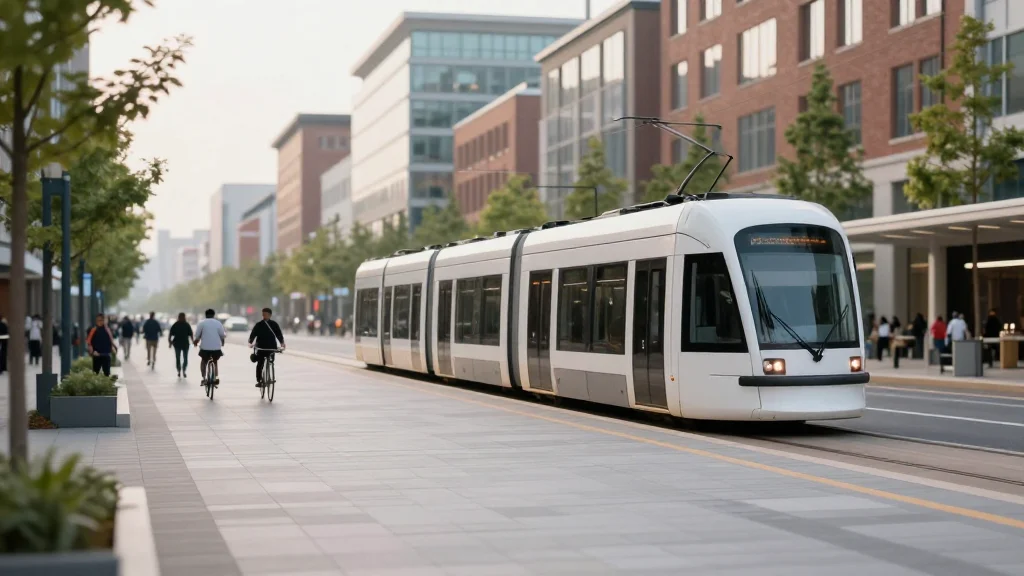
PA: Indicators 2026: The Value of Transit-Oriented Communities
Why It Matters
By aligning land use with transit, TOCs can lower transportation costs, spur economic development and advance equity, positioning Pennsylvania as a leader in sustainable urban growth.
Key Takeaways
- •Pennsylvania DOT released a TOD toolkit for local planners
- •Philadelphia and Lititz showcase mixed-use, grid streets, wide sidewalks
- •Funding options include TRIDs, TIF, PIB loans, and LERTA tax credits
- •Public involvement and redevelopment authority coordination are critical for success
Pulse Analysis
Transit‑oriented communities are reshaping how American suburbs and cities think about growth. By concentrating housing, retail and services within a short walk of bus, rail or tram stations, TOCs reduce reliance on automobiles, lower greenhouse‑gas emissions, and create more livable streetscapes. Planners nationwide cite the health, safety and productivity gains of walkable neighborhoods, while developers see higher property values and stronger demand from renters seeking convenience. The model dovetails with broader sustainability goals, making it a focal point for municipal policy and private investment.
In Pennsylvania, the Department of Transportation’s new TOD toolkit translates these principles into actionable steps for local officials. The guide outlines how to integrate mixed‑use development, grid‑based street layouts, wide sidewalks and multimodal infrastructure, drawing on real‑world examples from Philadelphia and the Borough of Lititz. It also details the procedural backbone—comprehensive plans, redevelopment authority oversight, and Transfer of Development Rights—that ensures projects align with long‑term growth scenarios. By providing a standardized framework, the toolkit helps communities accelerate project timelines, secure funding, and achieve measurable outcomes such as reduced traffic congestion and increased transit ridership.
Financing remains a pivotal piece of the TOC puzzle. Pennsylvania leverages mechanisms like Transit Revitalization Investment Districts, Tax Increment Financing, low‑interest loans from the Pennsylvania Infrastructure Bank, and the Local Economic Revitalization Tax Assistance Act to bridge public‑private gaps. These tools not only attract capital but also prioritize equity, directing resources toward underserved neighborhoods that depend on reliable transit. As more jurisdictions adopt the toolkit, the state is poised to create a network of resilient, inclusive communities where mobility is a right, not a privilege, driving long‑term economic vitality.
PA: Indicators 2026: The value of transit-oriented communities
Comments
Want to join the conversation?
Loading comments...