Pan Am's Last Surviving New York-JFK Building Is About To Be Demolished Forever
Companies Mentioned


Why It Matters
The demolition signals JFK’s prioritization of modern capacity over historic preservation, affecting airlines, cargo operations, and the airport’s long‑term growth strategy; it also closes a symbolic chapter of aviation heritage tied to Pan Am and 9/11 remembrance.
Key Takeaways
- •Hangar 17, JFK’s last Pan Am structure, slated for demolition.
- •2,500 9/11 artifacts stored there cleared after ~15 years.
- •New Terminal One opens first phase June 2026, full completion 2030.
- •Terminal Six replaces demolished Terminal Seven, opening 2026, full 2028.
- •Former Worldport site now parking; new Terminal One will sit atop it.
Pulse Analysis
Hangar 17 has long been a quiet sentinel of New York’s aviation past. Built in the 1970s for Pan Am’s cargo operations, the concrete shell later served as a storage vault for roughly 2,500 artifacts recovered from the September 11 attacks. After the artifacts were cataloged and removed over a fifteen‑year period, the hangar fell into disuse following Tower Air’s 2000 bankruptcy. Its impending demolition marks the final erasure of Pan Am’s physical footprint at JFK, a poignant reminder of how airports balance heritage with operational demands.
JFK’s broader redevelopment plan accelerates this transition. The first phase of a new Terminal One, featuring 14 gates and a modern arrivals‑departures hall, is set to open in June 2026, with full completion slated for 2030 to accommodate 22 wide‑body‑capable gates. Simultaneously, Terminal Six will replace the aging Terminal Seven, opening its initial segment in 2026 and reaching full capacity by 2028. These projects aim to streamline passenger flow, expand international capacity, and modernize cargo and maintenance layouts, positioning JFK to handle projected traffic growth through the 2030s.
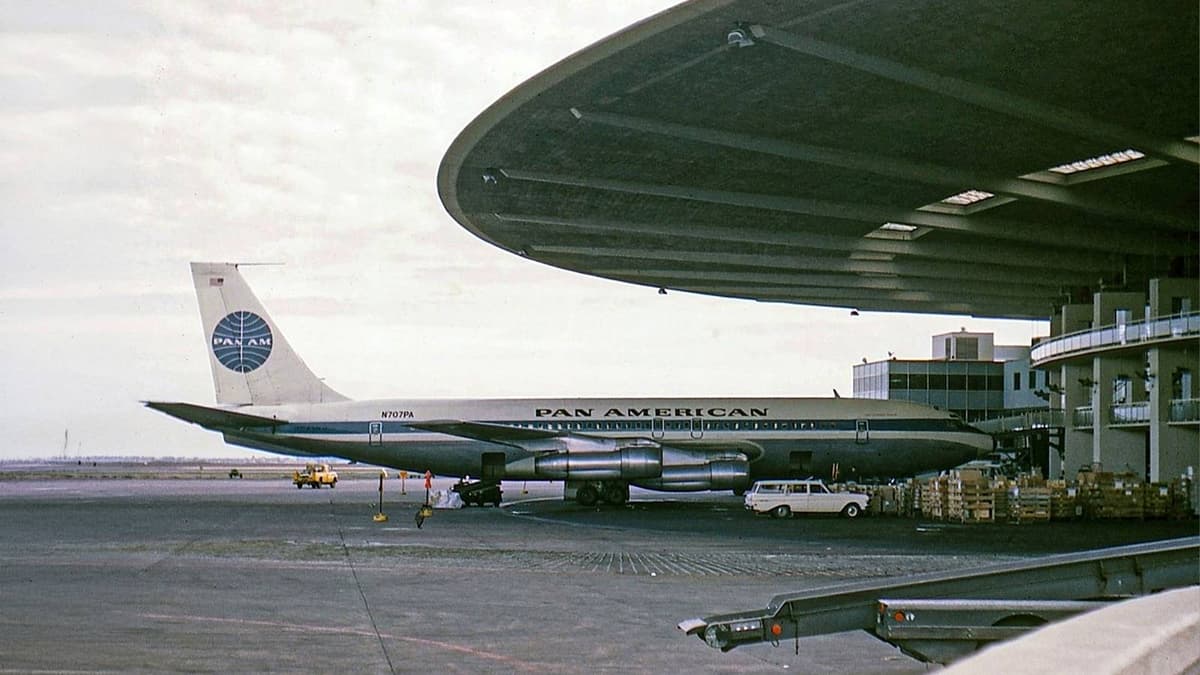
The demolition of the iconic Pan Am Worldport in 2013, once the world’s largest terminal, foreshadowed this capacity‑first mindset. While the Worldport made way for parking, the new Terminal One will sit atop its former footprint, symbolizing a shift from preserving aviation landmarks to delivering functional, high‑throughput infrastructure. Adjacent historic assets, such as the TWA Flight Center, have found new life as a boutique hotel, demonstrating a selective approach to heritage reuse. Collectively, these changes underscore JFK’s strategic focus on scalability, airline partnership opportunities, and maintaining its status as a global gateway.
Pan Am's Last Surviving New York-JFK Building Is About To Be Demolished Forever
Comments
Want to join the conversation?
Loading comments...