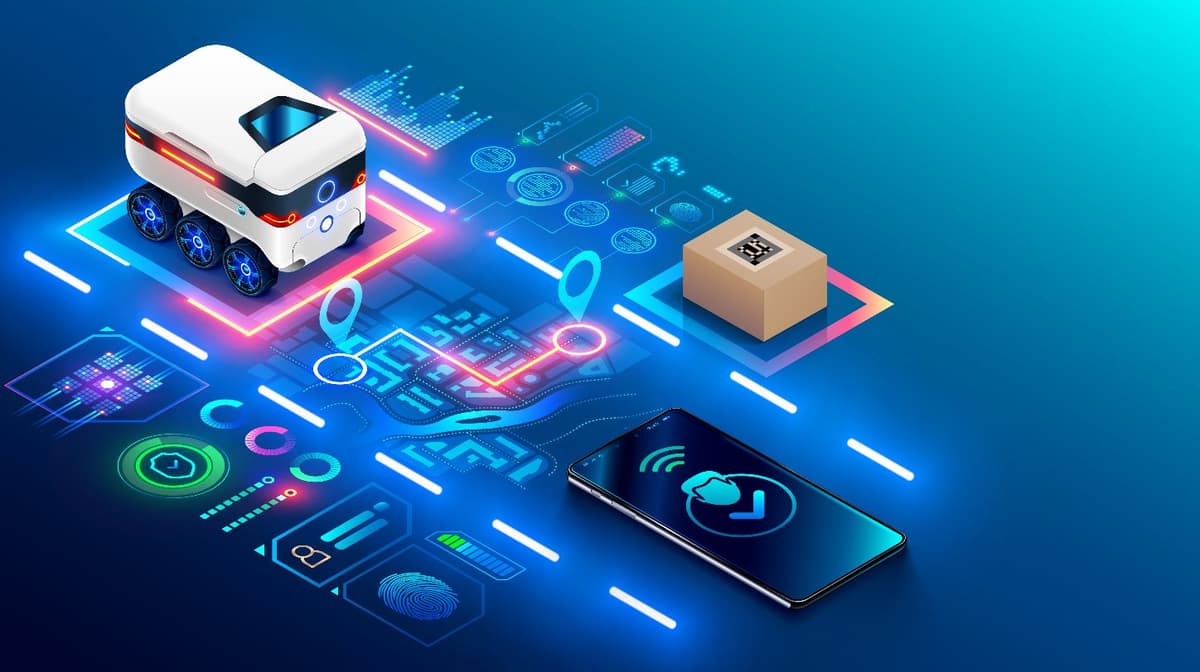
Partnership Develops Virtual Digital Twin Technology for Autonomous Cargo
Companies Mentioned
Why It Matters
The solution dramatically improves inventory visibility while cutting manual labor, positioning Singapore as a leading digital logistics hub and accelerating autonomous port adoption worldwide.
Key Takeaways
- •Dassault Systèmes and iHawk launch virtual twin for autonomous cargo.
- •System combines drones with rover anchors for sub‑decimeter accuracy.
- •Real‑time inventory data reduces manual inspections in GPS‑denied yards.
- •3DEXPERIENCE platform simulated airflow and signal dead zones before deployment.
- •Pilot covers 50,000 m² container yard, showcasing scalable digital logistics.
Pulse Analysis
Virtual twin technology is reshaping how complex industrial systems are designed and operated. By leveraging Dassault Systèmes’ 3DEXPERIENCE platform, engineers can create a fully digital replica of a container yard, simulate airflow, map signal dead zones, and stress‑test operational scenarios before any hardware touches the ground. This approach reduces development cycles, lowers risk, and provides a data‑rich environment where AI algorithms can be trained and refined, ensuring that the physical deployment aligns precisely with the engineered model.
The iHawk system integrates autonomous aerial drones with ground rovers that act as precision navigation anchors, achieving sub‑decimeter accuracy even where GPS signals are blocked by dense container stacks. This hybrid architecture enables continuous, high‑resolution inventory scanning, delivering operators real‑time asset visibility without the need for labor‑intensive manual checks. The live data feed supports dynamic decision‑making, optimizes yard throughput, and enhances safety by minimizing human exposure to hazardous environments.
Beyond the immediate operational gains, the partnership signals a broader shift toward fully autonomous, sustainable port ecosystems. Singapore’s ambition to become a digital logistics hub is reinforced by deploying AI‑driven, twin‑validated solutions that can be replicated across other high‑density cargo facilities. As more ports adopt similar virtual‑to‑real workflows, the industry can expect faster innovation cycles, reduced carbon footprints from fewer manual interventions, and a new standard for precision logistics that could redefine global supply‑chain efficiency.
Partnership develops virtual digital twin technology for autonomous cargo
Comments
Want to join the conversation?
Loading comments...