Key Takeaways
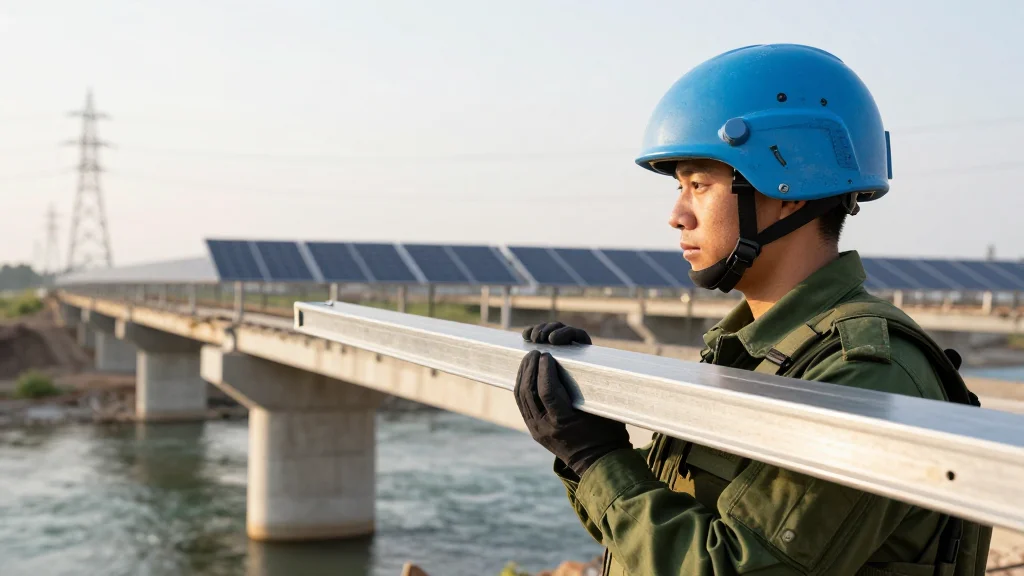
- •UN peacekeepers now construct renewable power plants in conflict zones
- •Infrastructure aims to manage risk, create legacy, and address climate security
- •Projects can stabilize societies but also generate new sources of violence
- •Future missions need nuanced policies balancing development benefits and security risks
Pulse Analysis
The United Nations’ peacekeeping mandate has evolved far beyond the classic image of armed blue helmets patrolling cease‑fire lines. Since the organization’s inception after World II, its engineers have laid roads, built bridges, and drilled wells, recognizing that physical connectivity is a prerequisite for lasting peace. This infrastructural turn reflects a broader strategic shift: peace is no longer viewed solely as the absence of violence but as a set of conditions—including reliable energy, transport, and water—that enable societies to thrive. By embedding development tasks within security missions, the UN seeks to address root causes of conflict while projecting a constructive presence on the ground.
Climate change and legacy concerns now sit at the heart of this infrastructural agenda. As extreme weather events threaten fragile states, peace operations are tasked with delivering renewable energy solutions—solar farms, micro‑grids, and clean water systems—that bolster climate resilience. Simultaneously, the desire to leave a lasting positive imprint has spurred the commissioning of large‑scale projects such as hydroelectric plants and regional power networks. While these initiatives can reduce dependence on fossil fuels and create jobs, they also introduce new risk vectors: resource competition, land disputes, and the militarization of civilian infrastructure can reignite tensions if not carefully managed.
Policymakers must therefore adopt a nuanced framework that weighs development gains against security risks. Integrating rigorous impact assessments, local stakeholder engagement, and transparent governance structures can mitigate the potential for infrastructure‑linked violence. Moreover, aligning peacekeeping projects with broader UN Sustainable Development Goals ensures coherence across humanitarian, development, and climate objectives. As the UN continues to embed itself in the material fabric of post‑conflict societies, the success of future missions will hinge on their ability to deliver resilient infrastructure while preserving the core principle of impartiality.
Peace Infrastructures
Comments
Want to join the conversation?