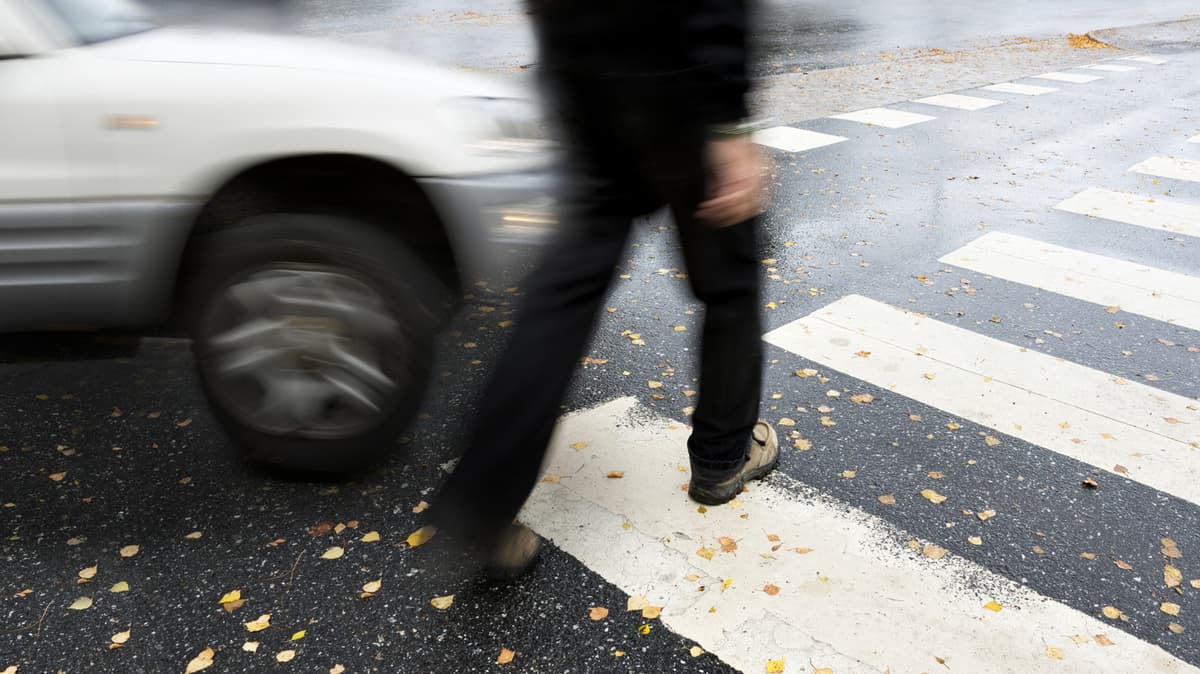
Pedestrian Deaths Have Dropped For A Depressing Reason

Why It Matters
The drop signals that traffic density can improve pedestrian safety, but looming cost‑of‑living stresses may soon erode those gains, threatening public health and liability costs for municipalities.
Key Takeaways
- •Pedestrian deaths fell 11% from 2024 to 2025 (3,395→3,024).
- •Decline linked to increased traffic congestion as workers return to offices.
- •Rural highways remain high‑risk due to lack of sidewalks and high speeds.
- •Economic pressures could push commuters back to walking, raising future fatalities.
- •Pedestrian‑friendly infrastructure improvements helped offset reckless driving during pandemic.
Pulse Analysis
The recent 11 percent dip in U.S. pedestrian deaths marks a rare positive shift after a pandemic‑driven surge that peaked in 2022. Data from the Governors Highway Safety Association shows fatalities falling from 3,395 in 2024 to just over 3,000 in 2025. While the raw numbers are encouraging, the underlying dynamics are more nuanced than a simple safety breakthrough. During COVID‑19 lockdowns, fewer cars on the road coincided with higher rates of distracted driving and risky maneuvers, offsetting any benefit from reduced traffic volume.
A key driver of the current decline appears to be the return of commuters to office‑based work, which has increased overall traffic density. Congested streets naturally limit high‑speed runs and reckless lane changes, making it harder for drivers to execute dangerous behaviors that endanger pedestrians. Urban centers have also seen modest upgrades—such as extended crosswalks, better lighting, and curb extensions—that improve visibility and reduce conflict points. However, the safety gains are uneven; rural corridors with single‑lane highways and minimal shoulders remain vulnerable, as high‑speed trucks can easily strike a pedestrian with little margin for error.
Looking ahead, the sustainability of this downward trend hinges on broader economic forces. Rising fuel prices, vehicle ownership costs, and insurance premiums may compel more Americans to walk or bike, especially in cost‑squeezed regions. Without continued investment in pedestrian infrastructure—sidewalks, protected bike lanes, and traffic calming measures—those cost‑driven shifts could reignite fatality rates. Policymakers and city planners therefore face a dual challenge: capitalize on the current safety window while pre‑emptively bolstering the built environment to guard against a potential resurgence of pedestrian deaths.
Pedestrian Deaths Have Dropped For A Depressing Reason
Comments
Want to join the conversation?
Loading comments...