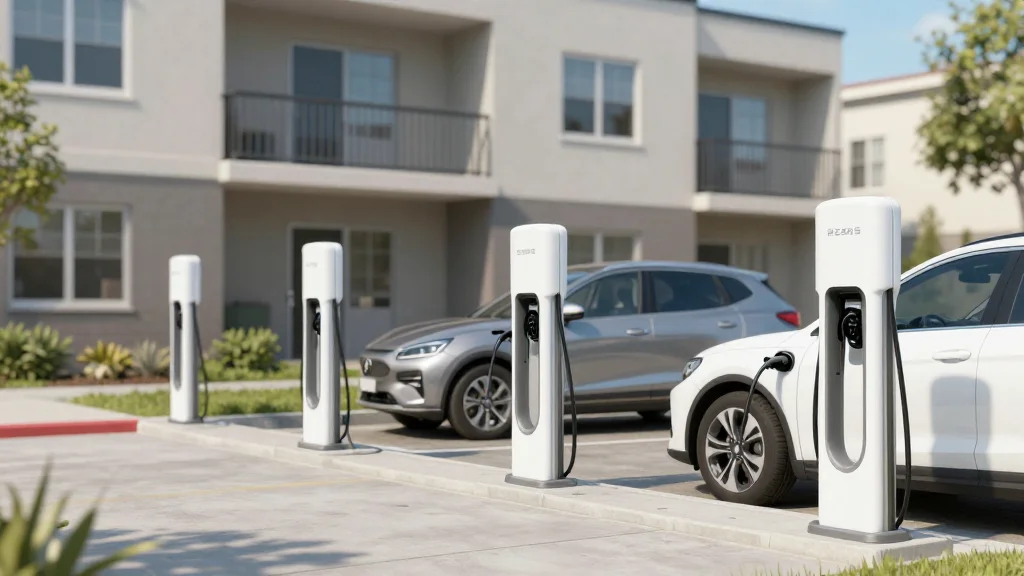
Peninsula Clean Energy Installs 92 EV Chargers at a California Affordable Housing Community
Why It Matters
Providing on‑site EV charging in affordable housing removes a key barrier to electric‑vehicle adoption among lower‑income households, accelerating California’s decarbonization goals and supporting equitable mobility.
Key Takeaways
- •92 EV chargers installed at 179‑unit Middlefield Junction
- •76 Level 1 and 16 Level 2 chargers deployed
- •EV Ready program totals >2,500 ports, ⅔ in multifamily
- •Level 1 chargers cost 4‑5× less than Level 2
Pulse Analysis
California’s aggressive zero‑emission vehicle targets have spurred utilities to address a glaring equity gap: affordable‑housing residents often lack home‑charging options. Municipal and state incentives now encourage developers to embed EV infrastructure in multifamily projects, recognizing that without on‑site power, low‑income drivers are unlikely to purchase electric cars. The trend aligns with recent legislation mandating a minimum percentage of new housing units to include EV charging, positioning utilities like Peninsula Clean Energy as pivotal partners in meeting both housing and climate objectives.
Peninsula’s EV Ready program exemplifies how utilities can lower financial and technical barriers. By prioritizing Level 1 smart‑outlet chargers—four to five times cheaper to install than Level 2 units—the program delivers cost‑effective solutions that satisfy the daily range needs of roughly 90% of Bay Area EV owners. The program also offers technical assistance and incentives, accelerating deployment timelines and ensuring chargers are correctly allocated based on resident commuting patterns. This approach not only maximizes utilization but also creates a scalable model for other regions seeking to replicate affordable‑housing EV rollouts.
The broader impact extends beyond the immediate community. As more affordable complexes adopt similar setups, utilities can achieve economies of scale, reducing per‑port costs and freeing capital for higher‑capacity Level 2 or DC fast‑charging stations where demand justifies. Moreover, widespread residential charging mitigates grid stress by shifting load to off‑peak hours, supporting renewable integration. For policymakers and developers, the Middlefield Junction case provides a concrete blueprint for coupling housing affordability with sustainable transportation infrastructure, a synergy essential for meeting California’s climate and equity goals.
Peninsula Clean Energy installs 92 EV chargers at a California affordable housing community
Comments
Want to join the conversation?
Loading comments...