Pentagon Looks To Expand Supersonic Aircraft Industrial Base
Why It Matters
Modernizing the supersonic fleet strengthens U.S. defense capabilities while bolstering a domestic industrial base critical for strategic autonomy.
Key Takeaways
- •Pentagon seeks faster, cheaper supersonic aircraft production methods
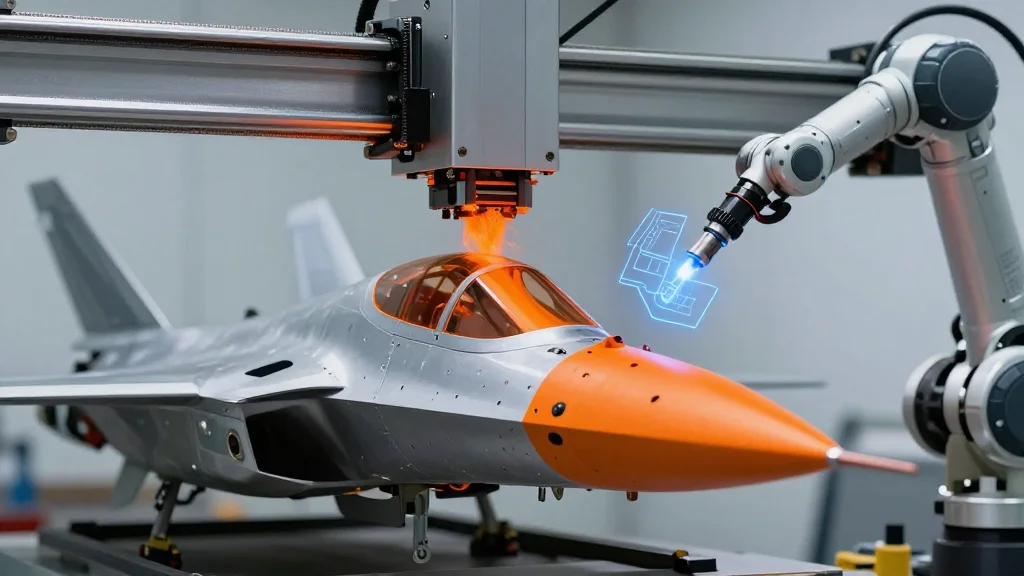
- •Additive manufacturing and robotics highlighted to cut supply‑chain risk
- •Digital engineering required for rapid design iteration and maintenance
- •Domestic sourcing emphasized to reduce reliance on foreign components
Pulse Analysis
The Department of Defense’s latest solicitation reflects a broader shift toward high‑speed, low‑observable platforms that can respond to emerging threats across the Indo‑Pacific and beyond. Supersonic aircraft, once the domain of legacy fighters, are now envisioned with next‑generation airframes that demand lighter, heat‑resistant alloys and complex geometries. Traditional machining struggles to meet these requirements, prompting the Pentagon to explore additive manufacturing and advanced composites that can deliver both performance and cost efficiencies.
At the heart of the request are digital engineering tools that enable virtual prototyping, rapid iteration, and predictive maintenance. By integrating robotics and automation into the production line, the DoD hopes to shorten build cycles and mitigate bottlenecks that have plagued past programs. Reverse‑engineering of legacy components also offers a pathway to sustain older fleets while new designs mature, ensuring readiness without excessive inventory of obsolete parts. The emphasis on domestic material sources addresses geopolitical concerns, especially as critical minerals become a focal point of strategic competition.
For industry, the notice opens a competitive arena for midsize firms and established aerospace giants alike. Companies that can demonstrate scalable 3D‑printing capabilities, AI‑driven design workflows, or innovative repair technologies stand to secure contracts that could seed a robust supersonic supply chain. Successful bids may also feed into broader Defense Industrial Base initiatives, fostering collaboration across sectors and reinforcing America’s technological edge in high‑speed aviation. The June 24 deadline marks a pivotal moment for firms aiming to shape the future of U.S. air power.
Pentagon Looks To Expand Supersonic Aircraft Industrial Base
Comments
Want to join the conversation?
Loading comments...