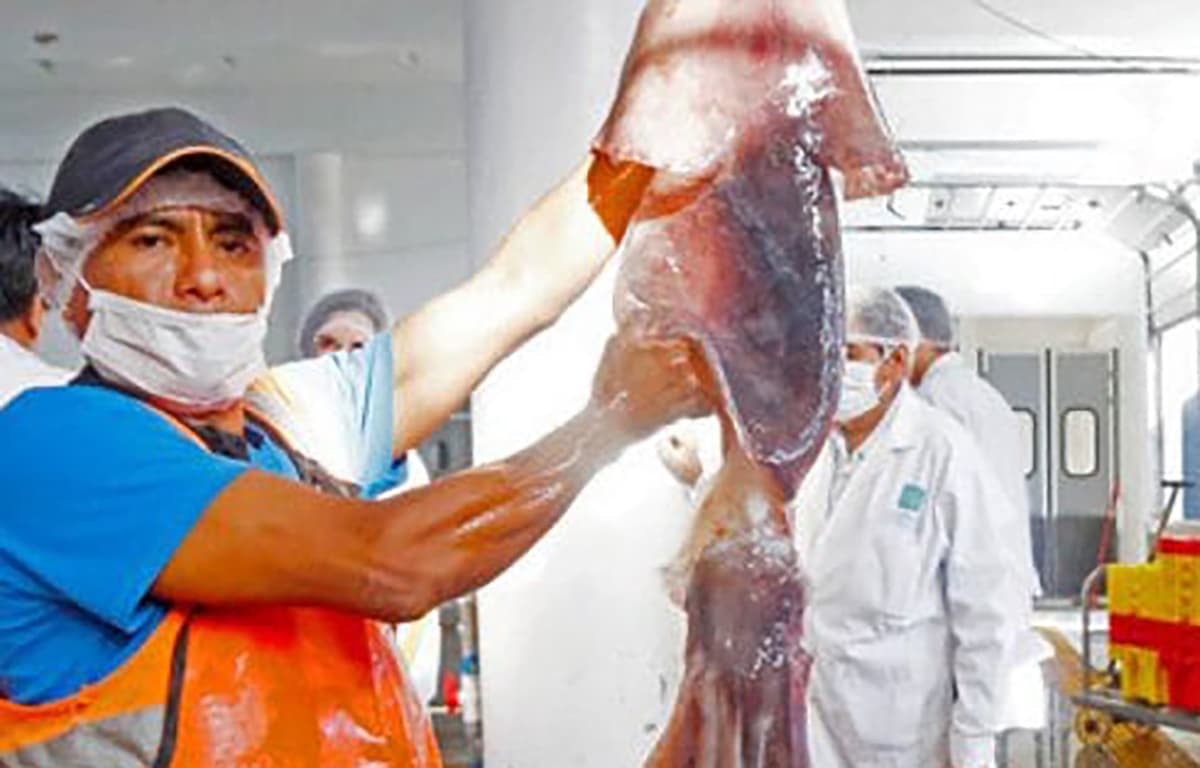
Peru’s Artisanal Squid Fleet Surges 30-Fold in SPRFMO Registration over Three Years
Why It Matters
The rapid registration boost positions Peru as a key player in high‑seas squid harvesting, but gaps in compliance and competition from China threaten its market share and sustainability of the resource.
Key Takeaways
- •Artisanal fleet registrations rose 33.6× to 1,043 vessels
- •Over 3,000 boats now equipped with SISESAT satellite trackers
- •Only 34% of the fleet is fully SPRFMO‑registered
- •China’s distant‑water fleet holds 600,000 MT storage versus Peru’s 25,000 MT
- •Joint international statement urges SPRFMO action on squid conservation
Pulse Analysis
The Peruvian artisanal squid fleet’s dramatic rise in SPRFMO registration reflects a broader shift toward data‑driven fisheries management in the South Pacific. By mandating the SISESAT satellite tracking system, the government has not only enhanced real‑time vessel monitoring but also bolstered safety for crews operating far from shore. This technological upgrade aligns Peru with global best practices, facilitating compliance with international regulations and opening new market opportunities for its squid exports.
However, the surge masks structural challenges. With only about a third of the fleet officially registered, a sizable portion remains in a regulatory gray zone, limiting access to subsidies and trade benefits. Additionally, Peru must secure IMO numbers for its vessels to fully legitimize high‑seas operations. The disparity between registration progress and full compliance underscores the need for coordinated state action, including streamlined paperwork and targeted outreach to smaller fishers.
External pressures compound these domestic hurdles. China’s massive distant‑water fleet, boasting over 600,000 metric tons of storage capacity, dwarfs Peru’s modest 25,000‑ton capability, threatening the nation’s competitive edge in the lucrative giant squid market. Recent scientific alerts about declining squid health have spurred a coalition of over 50 NGOs and research bodies to demand stricter SPRFMO oversight. For Peru, balancing fleet expansion, regulatory alignment, and conservation imperatives will be crucial to sustaining its emerging role in the international squid supply chain.
Peru’s artisanal squid fleet surges 30-fold in SPRFMO registration over three years
Comments
Want to join the conversation?
Loading comments...