Companies Mentioned
Why It Matters
The e‑408 positions Peugeot as a credible D‑segment EV contender, offering a competitively priced alternative to premium models while highlighting the trade‑off between cost and long‑range capability.
Key Takeaways
- •58 kWh battery delivers 283 mi WLTP range
- •Starts at £43,655 (~$55,900), £1,500 above mild hybrid
- •210 bhp motor, 0‑62 mph in 7.5 s
- •120 kW charging slower than Tesla, Mercedes rivals
- •Practical interior, 471 L boot, Focal sound system
Pulse Analysis
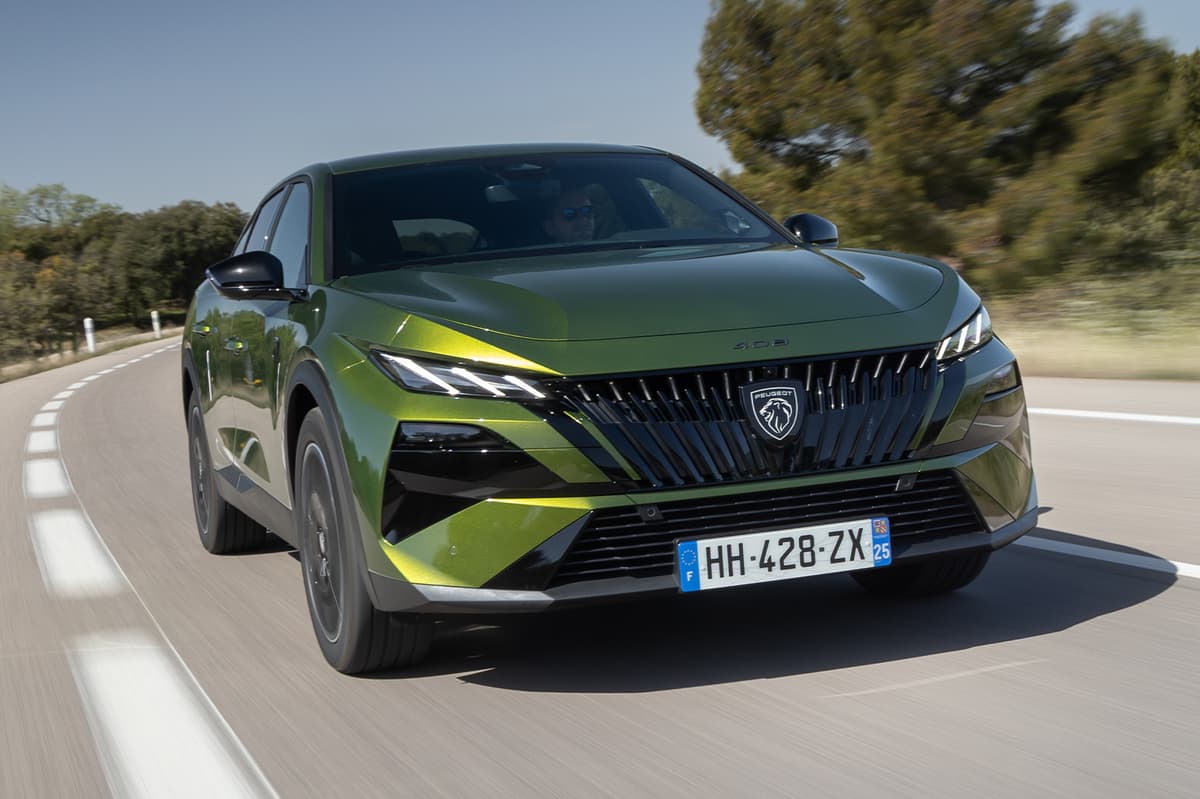
Peugeot’s e‑408 arrives at a pivotal moment for European automakers seeking to broaden their electric portfolios without inflating price tags. After a three‑year postponement, the model leverages the EMP2 platform shared with its ICE sibling, allowing Peugeot to keep development costs low while delivering a distinctive lift‑back crossover silhouette. The vehicle’s 58 kWh NMC battery provides a WLTP‑estimated 283 miles, a figure that sits comfortably between the budget‑friendly Renault Scenic E‑Tech and the more premium Tesla Model 3, but it still falls short of the 300‑plus miles many consumers now expect from a D‑segment EV.
Performance-wise, the e‑408’s 210 bhp motor propels the 1,804‑kg sedan from 0 to 62 mph in 7.5 seconds, offering a lively yet controlled driving experience that outpaces the earlier e‑308. However, its 120 kW peak charging capability is modest compared with rivals that push 200 kW or higher, meaning longer top‑up times on fast chargers. Inside, Peugeot carries over the ICE 408’s i‑Cockpit design, pairing a crisp digital driver display with a high‑end Focal audio system. Practicality shines through with a 471‑litre boot and generous rear legroom, though the absence of physical climate controls and occasional infotainment lag may deter tech‑savvy buyers.
From a market perspective, the e‑408’s pricing—£43,655 (≈$55,900)—places it below the Model 3 and Mazda 6e while remaining competitive against the MG IM5 and Ford Capri. Its value proposition rests on a blend of stylish design, solid build quality, and a respectable driving range, making it an attractive option for cost‑conscious families and fleet operators. Yet, the lack of a longer‑range variant could limit its appeal as charging infrastructure expands and consumer expectations rise. Peugeot’s next step will likely involve boosting battery capacity and charging speed to keep pace with the rapidly evolving EV landscape, ensuring the e‑408 evolves from a value champion to a true segment leader.
Peugeot e-408
Comments
Want to join the conversation?
Loading comments...