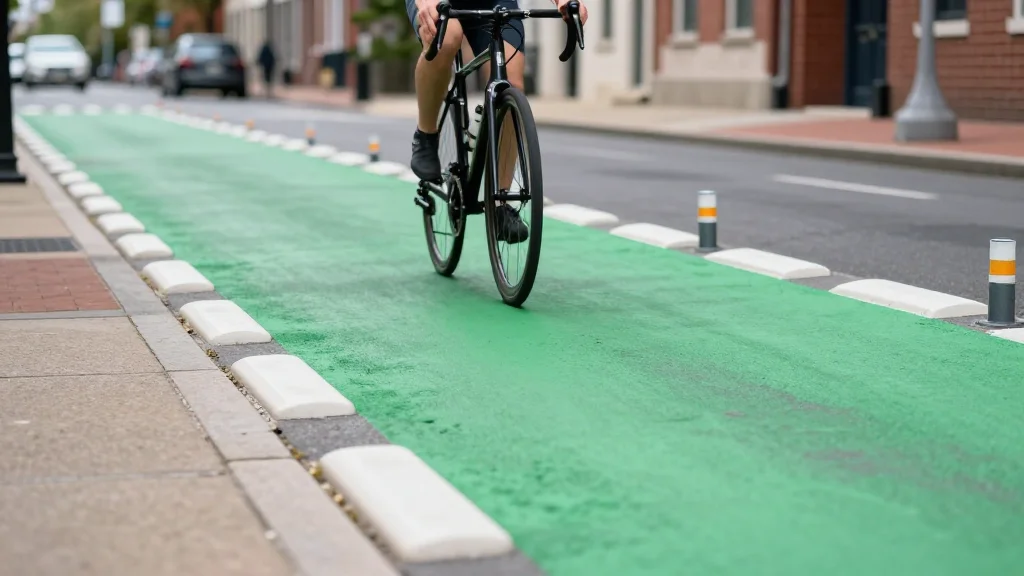
Philadelphia Adds New Safety Measures to 13th Street Bike Lane
Why It Matters
The enhancements address a high‑traffic cycling corridor, reducing collision risk and encouraging broader adoption of active transportation in Philadelphia’s downtown core. Demonstrating a cost‑effective safety model could accelerate bike‑lane upgrades city‑wide and influence other municipalities facing similar congestion and safety challenges.
Key Takeaways
- •13th Street bike lane now has delineator posts, paint, plastic curbs.
- •Average 255 cyclists per hour at Pine intersection in 2025.
- •Center City District funded low‑cost safety upgrades.
- •Advocates push for similar protections on Spruce and Pine Streets.
- •Measures aim to reduce accidents after 2024 cyclist fatality.
Pulse Analysis
Philadelphia’s newest bike‑lane upgrades on 13th Street reflect a growing municipal focus on protecting cyclists in dense urban corridors. By installing delineator posts, high‑visibility paint, and modular plastic curbs, the city creates a physical buffer that separates cyclists from motor traffic. The Pine Street intersection, where 255 cyclists per hour were counted in 2025, exemplifies the demand for safe, dedicated space. Such infrastructure not only mitigates crash risk but also signals to commuters that cycling is a viable, supported mode of travel in the city’s economic heart.
Funding for the project came from the Center City District, which framed the upgrades as a low‑cost, high‑impact investment. By leveraging modest municipal resources, the district avoided the delays and expense of major construction while delivering immediate safety benefits. Local businesses have welcomed the changes, noting smoother traffic flow and increased foot traffic from cyclists who feel more secure. This partnership model—public‑private collaboration that prioritizes quick, affordable interventions—offers a template for other districts seeking to boost active‑transport infrastructure without extensive budgeting cycles.
The 13th Street improvements are part of a broader push to replicate safety measures across Philadelphia’s bike network, especially on Spruce and Pine streets where recent fatalities have heightened public concern. As cities nationwide grapple with rising cyclist volumes, Philadelphia’s approach underscores the importance of incremental, data‑driven upgrades. By addressing high‑traffic hotspots with targeted design elements, municipalities can quickly elevate safety standards, encourage modal shift away from cars, and ultimately contribute to healthier, more sustainable urban environments.
Philadelphia adds new safety measures to 13th Street bike lane
Comments
Want to join the conversation?
Loading comments...