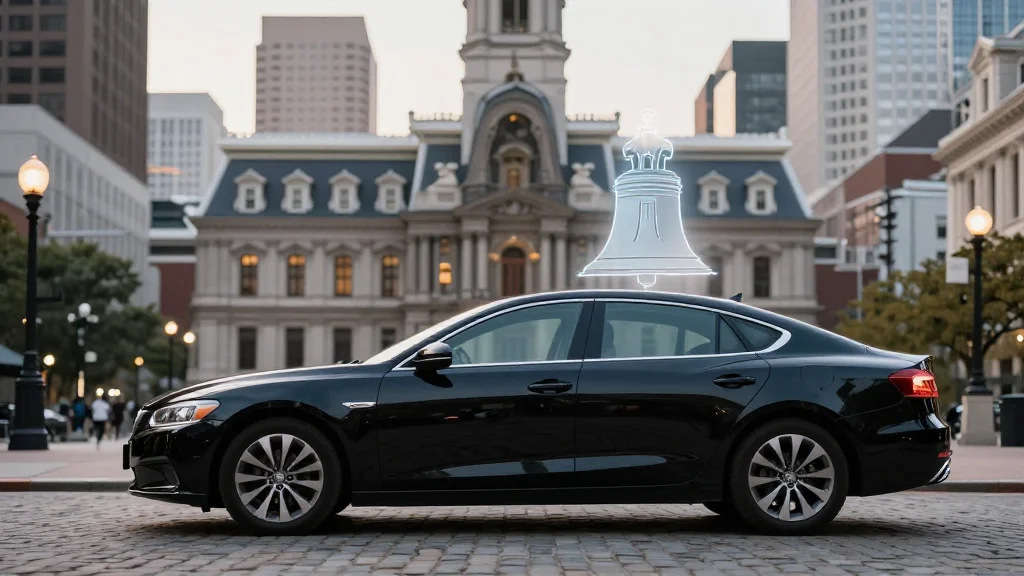
Philadelphia Mayor Defends $1‑Per‑Ride Uber/Lyft Tax to Fund School Budget

Companies Mentioned
Why It Matters
The proposed rideshare surcharge sits at the intersection of municipal finance, gig‑economy regulation, and urban equity. By targeting a high‑volume, tech‑driven service, Philadelphia is testing whether local governments can tap emerging mobility platforms for stable revenue without stifling adoption. The outcome will inform other cities grappling with school‑budget gaps and could shape national discourse on how to fund public services in an era of declining traditional tax bases. Beyond the immediate fiscal impact, the tax raises broader questions about transportation access. If the surcharge deters low‑income riders, it could deepen mobility deserts and undermine efforts to promote inclusive transit. Conversely, a successful implementation could demonstrate a viable model for extracting public‑good contributions from private platforms, potentially reshaping the financial architecture of urban transportation.
Key Takeaways
- •Mayor Cherelle Parker proposes a $1 per‑ride surcharge on Uber and Lyft, projected to raise $48 million annually.
- •The tax aims to cover a $300 million deficit in the School District of Philadelphia and preserve 340 jobs.
- •Uber and Lyft argue the fee will be passed to riders, calling it a regressive double tax.
- •Lyft’s Angeline Jefferson warns the surcharge will disproportionately affect low‑income neighborhoods.
- •If approved, the surcharge would take effect Jan. 1, 2027 and could set a precedent for other U.S. cities.
Pulse Analysis
Philadelphia’s rideshare tax proposal reflects a growing trend of municipalities turning to the gig economy for revenue. Historically, cities have relied on sales, property, and excise taxes; the shift toward a per‑ride surcharge signals a willingness to monetize digital platforms directly. The $48 million figure, while modest compared to the district’s $300 million shortfall, is strategically significant because it targets a high‑frequency service, ensuring a steady cash flow that is less volatile than sales‑tax receipts.
From a competitive standpoint, the move pits the city against two of the nation’s largest TNCs, which have deep lobbying resources and a track record of mobilizing public‑opinion campaigns. Uber’s framing of the surcharge as a consumer tax mirrors its broader strategy of positioning itself as a neutral service provider, deflecting policy costs onto riders. Lyft’s call for a broader revenue toolbox suggests an awareness that a single‑dimensional tax may be politically fragile. Both companies are betting that rider backlash will pressure council members, especially in precincts where low‑income commuters dominate.
Looking ahead, the tax’s success will hinge on its implementation and the city’s ability to mitigate regressive impacts. Options such as a sliding‑scale rebate for low‑income riders or earmarking a portion of the proceeds for transit‑desert investments could soften criticism. If Philadelphia navigates these challenges, it could inspire a wave of similar taxes in other high‑cost cities, reshaping the fiscal relationship between local governments and the gig‑economy. Conversely, a failed rollout could embolden rideshare firms to resist future municipal levies, reinforcing the status quo of limited local taxation authority over digital platforms.
Philadelphia Mayor Defends $1‑Per‑Ride Uber/Lyft Tax to Fund School Budget
Comments
Want to join the conversation?
Loading comments...