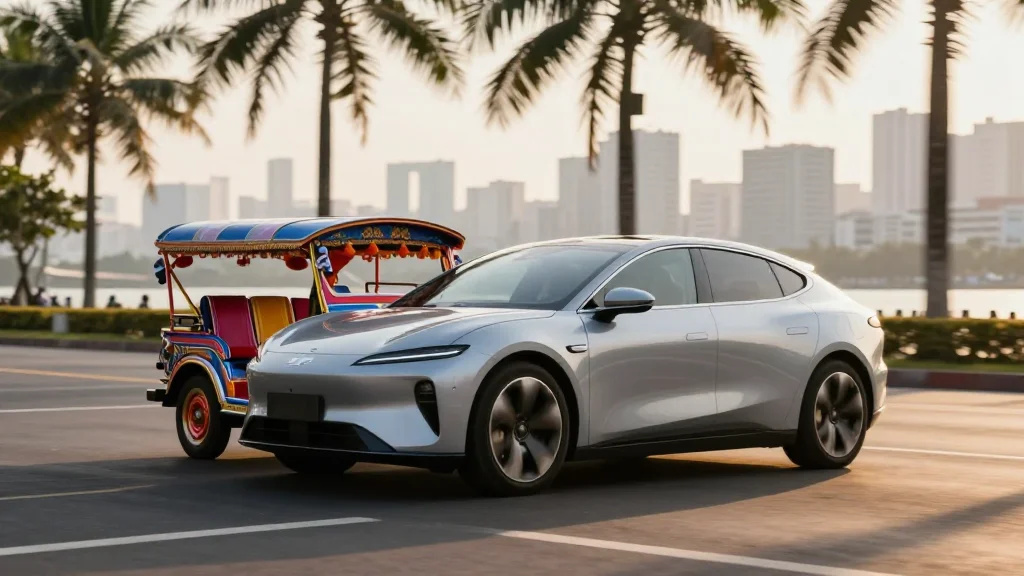
Philippine Vehicle Sales Fall 10% in March
Why It Matters
The contraction signals tightening consumer demand amid higher fuel costs and slower growth, while the rapid EV uptake highlights a shifting preference that could reshape the Philippine automotive landscape.
Key Takeaways
- •March vehicle sales fell 10% to 36,104 units.
- •BEV sales jumped 123% year‑to‑date, led by VinFast.
- •Passenger car sales down 17%; commercial vehicles down 8%.
- •Toyota remains market leader despite 6.5% sales decline.
- •2026 market forecast <2% growth; 2027 expected 4% increase.
Pulse Analysis
The Philippine auto market is feeling the strain of a broader economic slowdown. GDP growth decelerated to 3.0% in the fourth quarter of 2025, the weakest pace since the pandemic, while consumer spending and government outlays both softened. A series of interest‑rate cuts by the central bank, from a 6.5% peak to 4.25%, has not been enough to offset rising fuel prices linked to geopolitical tensions. As a result, overall vehicle registrations slipped for the third month in a row, with March sales down 10% year‑over‑year.
Amid the decline, electrified vehicles are gaining traction at an unprecedented rate. Hybrid‑electric models rose 10% to 8,261 units, plug‑in hybrids exploded 400% to 1,250 units, and battery‑electric vehicles more than doubled, reaching 2,289 units. Vietnamese newcomer VinFast alone accounted for over half of BEV deliveries, underscoring its aggressive market entry strategy and the growing consumer appetite for greener options. This surge is reshaping dealer inventories and prompting legacy manufacturers to accelerate their own EV roadmaps.
Looking ahead, analysts at GlobalData project a modest rebound, with total light‑vehicle sales expected to grow less than 2% in 2026 before picking up 4% in 2027 as lower borrowing costs stimulate demand. The outlook suggests a transitional phase: traditional volume leaders like Toyota will need to balance declining internal‑combustion sales with expanding EV portfolios, while newer entrants may capture market share by leveraging price‑competitive electric models. Stakeholders should monitor policy incentives, fuel price volatility, and consumer financing conditions, all of which will dictate the pace of recovery and the long‑term composition of the Philippine automotive market.
Philippine vehicle sales fall 10% in March
Comments
Want to join the conversation?
Loading comments...