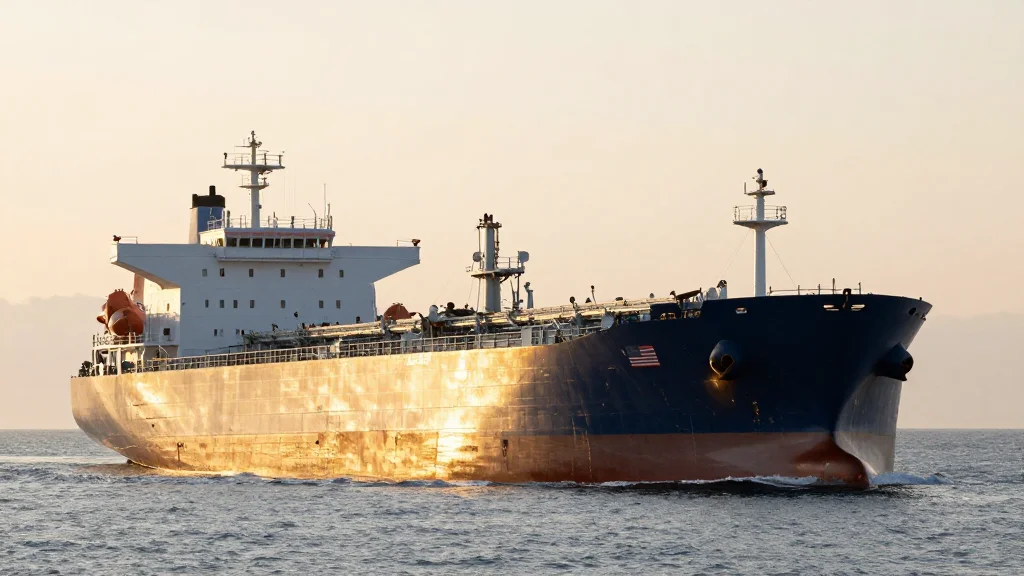
Phillips 66 Moves More Crude Under Jones Act Waiver
Why It Matters
The waiver lets Phillips 66 sidestep domestic shipping constraints, cutting logistics costs amid volatile charter markets, and shows how temporary regulatory relief can keep U.S. supply chains fluid. Continued extensions may reshape maritime policy and impact domestic shipbuilding demand.
Key Takeaways
- •Phillips 66 used foreign‑flagged Aframax to deliver 596,700 bbl WTI
- •Second Jones Act waiver shipment since waivers began in March
- •Waivers extended to August 16, easing US‑US shipping restrictions
- •Time‑charter rates fell from $116,300/day to –$688/day in May
- •Refined‑product waiver demand outpaces crude, especially in California, Hawaii
Pulse Analysis
The Jones Act, a century‑old statute requiring U.S.-built, U.S.-crewed vessels for domestic trade, has been temporarily relaxed to address supply‑chain stress caused by the Israel‑Iran conflict. President Trump’s March 17 waiver opened the door for foreign‑flagged ships to move energy commodities between U.S. ports, initially for 60 days and now extended through mid‑August. This regulatory shift aims to alleviate price spikes in crude and refined products by expanding available shipping capacity, especially as traditional tanker rates have collapsed.
Phillips 66’s recent use of the Aframax Front Altair illustrates how major refiners are capitalizing on the waiver. By loading 596,700 barrels of West Texas Intermediate at Beaumont and off‑loading at the 258,500‑b/d Bayway refinery, the company avoided the higher costs and scheduling constraints of U.S.-flagged vessels. The earlier Panamax shipment of Bakken crude set a precedent, confirming that the waiver can be applied to both light sweet and heavier crude streams. With time‑charter rates plunging from $116,300 per day to a negative $688 per day, the financial incentive to employ foreign‑flagged ships has become compelling, even when charterers incur a loss on a voyage.
Looking ahead, the extended waiver could influence long‑term maritime strategy. While refined‑product shipments under the waiver already outpace crude, regions like California and Hawaii are likely to see increased activity as they grapple with limited refinery capacity. However, sustained reliance on foreign‑flagged vessels may dampen demand for U.S. shipbuilding and crew employment, prompting policymakers to weigh short‑term market relief against the strategic goal of a robust domestic maritime fleet. The evolving charter market and regulatory environment will determine whether these temporary measures become a template for future energy logistics challenges.
Phillips 66 moves more crude under Jones Act waiver
Comments
Want to join the conversation?
Loading comments...