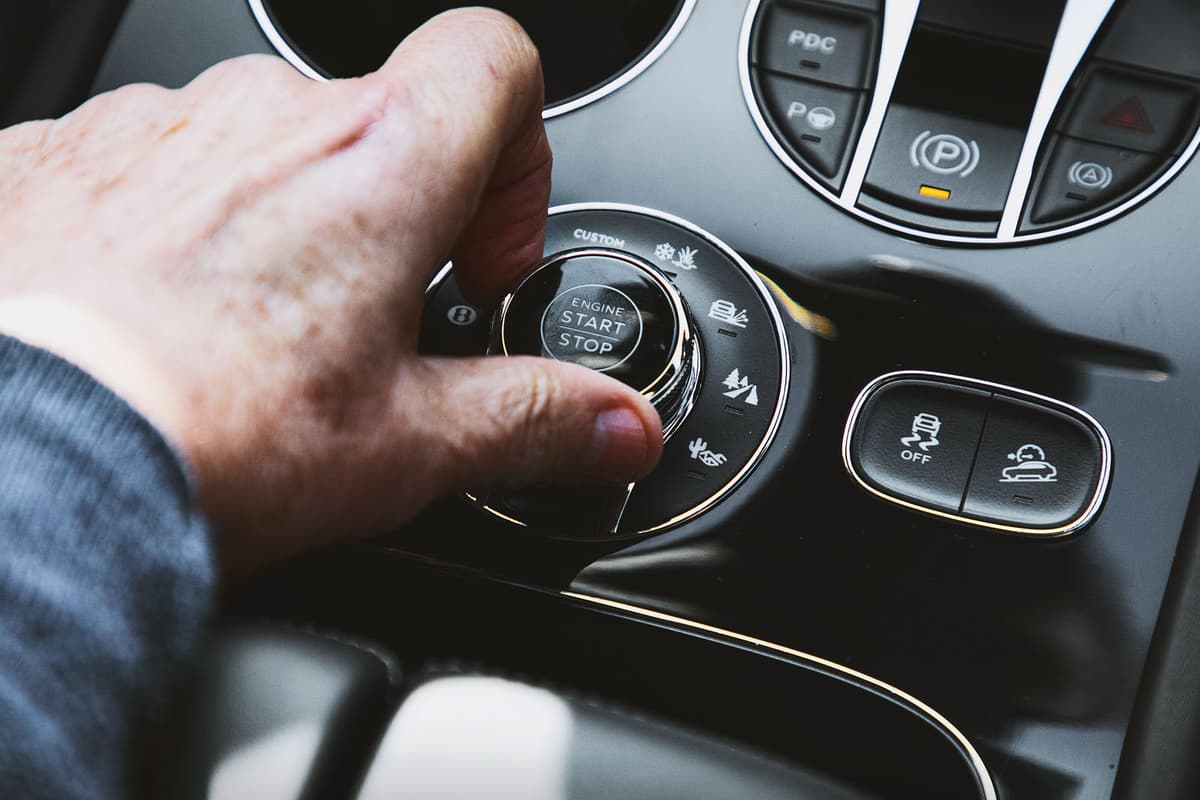
Physical Buttons Poised to Become Key Brand Differentiator
Companies Mentioned
Why It Matters
Physical interaction points can become a differentiating factor in a crowded EV market, influencing buyer perception and loyalty. The shift also reshapes interior design priorities, balancing analog craftsmanship with emerging digital controls.
Key Takeaways
- •Physical controls become brand‑defining “human moments” in vehicle interiors.
- •Voice and gesture tech may allow smaller central screens.
- •VW’s “premium haptic” strategy reintroduces switches and rotary dials.
- •Ferrari’s Luce key uses e‑ink to blend fob and console interaction.
- •Tesla, Volvo, Polestar shift toward keyless or digital entry solutions.
Pulse Analysis
The resurgence of tactile interfaces reflects a broader industry realization: drivers still crave tangible feedback. NewTerritory’s research suggests that well‑engineered knobs, switches, and textured surfaces forge a sensory connection that digital screens lack. By embedding subtle haptic cues into the cabin, manufacturers can turn routine actions—like adjusting climate or selecting media—into memorable brand moments, reinforcing premium positioning and fostering driver loyalty.
Advances in voice recognition and gesture control are not eliminating screens but reshaping their role. As automakers offload routine commands to invisible assistants, the central display can shrink, freeing space for refined analog controls. Volkswagen’s "premium haptic" concept exemplifies this balance, pairing a minimalist screen with a suite of tactile dials that echo classic automotive ergonomics. Meanwhile, Ferrari’s Luce EV showcases how a key fob can become an interactive brand artifact, using e‑ink to visually merge with the vehicle’s interior and elevate the act of entry to a ceremonial gesture.
The divergent paths—return to physical buttons versus full keyless digital access—signal a strategic split among OEMs. Brands that master the blend of analog craftsmanship and seamless digital assistance may capture discerning consumers seeking both nostalgia and convenience. This trend also impacts supply chains, prompting increased demand for high‑precision mechanical components and new materials for haptic feedback. Ultimately, the tactile turn could redefine vehicle interiors, making the feel of a button as pivotal to brand identity as the powertrain itself.
Physical buttons poised to become key brand differentiator
Comments
Want to join the conversation?
Loading comments...