Pilots Meow And Bark At Air Traffic Controllers Below 10,000 Feet, Prompting FAA Investigation

Companies Mentioned
Why It Matters
Misusing the emergency frequency jeopardizes clear communication essential for aviation safety, and regulatory scrutiny could tighten enforcement, affecting pilot behavior industry‑wide.
Key Takeaways
- •Delta and American regional pilots used meows and barks on emergency frequency
- •FAA opened investigation into misuse of low‑altitude communications
- •Past miscommunications have caused fatal runway collisions and emergencies
- •Airline unions say such conduct threatens safety and public confidence
- •Regulators may impose harsher penalties for unprofessional ATC radio use
Pulse Analysis
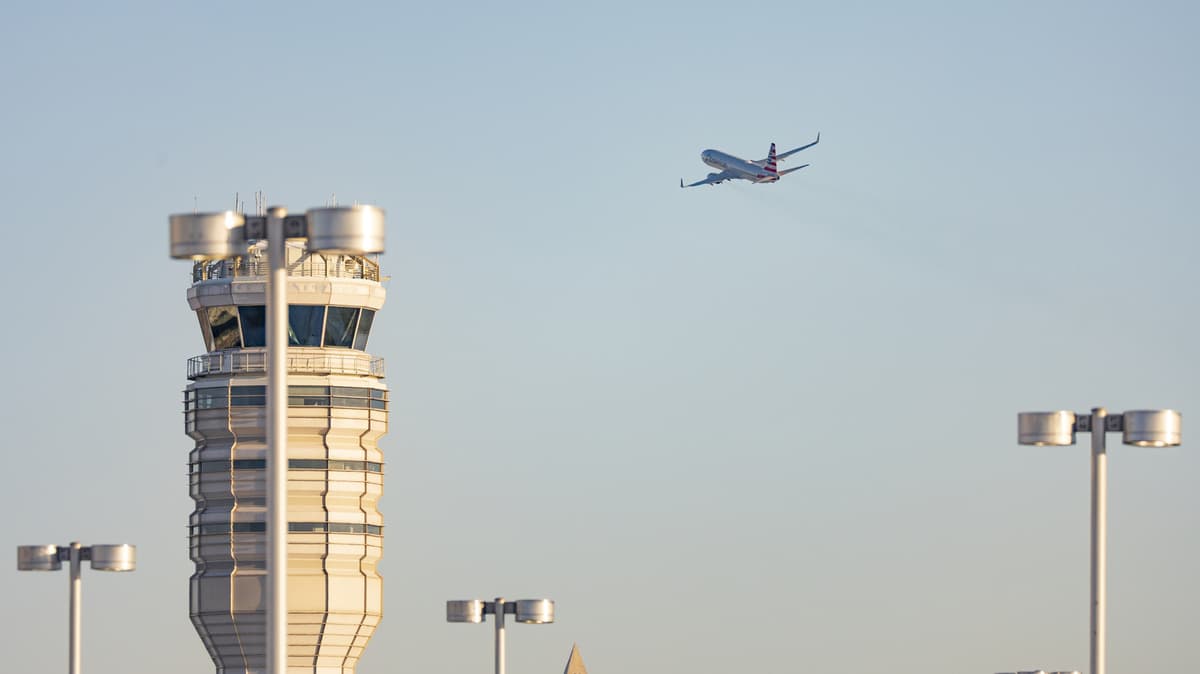
The recent radio exchange at Reagan National Airport highlights a growing cultural tension in the cockpit: the clash between informal camaraderie and the uncompromising need for professionalism on safety‑critical frequencies. While pilots often use humor to relieve stress, the emergency channel is reserved for urgent, life‑saving information. By broadcasting animal noises, the Delta and American regional pilots not only violated FAA regulations but also risked obscuring real distress calls, a scenario that could have dire consequences in congested airspace.
Historical incidents reinforce why clear ATC communication is non‑negotiable. The 2025 collision between a U.S. Army helicopter and an American Airlines regional jet, as well as the 2026 Air Canada fire‑truck crash at LaGuardia, underscore how miscommunication can cascade into fatal outcomes. Each event prompted investigations that revealed lapses in radio discipline, prompting industry leaders to call for stricter adherence to protocol. The current episode adds another data point, suggesting that informal chatter may be more widespread than previously acknowledged.
Regulators are likely to respond with heightened enforcement and possibly new penalties for non‑professional conduct on ATC frequencies. The FAA’s ongoing investigation could result in mandatory training refreshers, fines, or even suspension for repeat offenders. For airlines, the incident serves as a reminder to reinforce a culture of safety over levity, especially in high‑traffic corridors. As the industry grapples with pilot shortages and morale challenges, balancing human factors with uncompromised safety standards will remain a critical leadership priority.
Pilots Meow And Bark At Air Traffic Controllers Below 10,000 Feet, Prompting FAA Investigation
Comments
Want to join the conversation?
Loading comments...