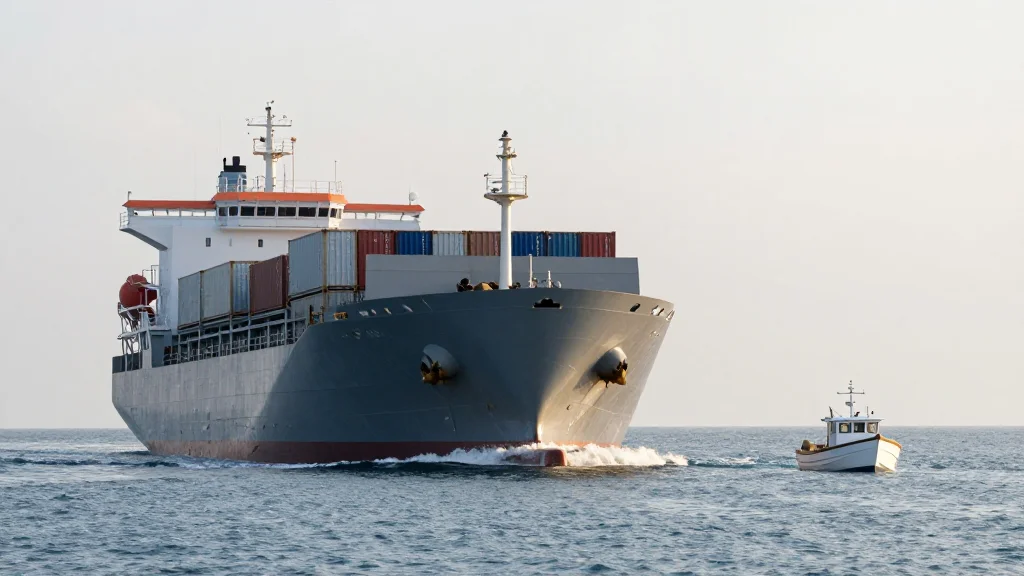
Pirates Trade Gunfire with Security Team on Cargo Ship Off Somalia
Why It Matters
The encounter highlights a renewed piracy threat that could disrupt key Indian Ocean trade lanes and increase operational costs for shippers and insurers.
Key Takeaways
- •Turkish cargo ship Elfriede fired warning shots at approaching skiff.
- •Skiff returned fire; both vessels withdrew without injuries.
- •EUNAVFOR Atalanta investigating; warns of heightened piracy risk near Somalia.
- •Pirates using mother ships extend attacks up to 600 nautical miles.
- •Monsoon season (May‑Oct) fuels piracy surge; five incidents recorded this year.
Pulse Analysis
The Indian Ocean’s piracy hotspot is re‑energizing as the southwest monsoon season looms. Recent reports of an armed exchange between the Turkish‑flagged cargo ship Elfriede and two small boats off Somalia illustrate how pirates are reverting to classic gunfire tactics while leveraging modern coordination. Naval forces under EUNAVFOR Atalanta are monitoring the situation closely, but the incident signals that commercial vessels must remain vigilant, especially within 150 nautical miles of the Somali coast where the threat density is highest.
Pirates are increasingly employing mother‑ship strategies, using larger vessels to launch skiffs that can operate up to 600 nautical miles from shore. This extended range allows them to target ships on longer routes between the Horn of Africa and the Arabian Gulf, complicating traditional patrol patterns. The monsoon-driven surge in sea traffic provides cover for illicit boarding attempts, and the five recorded incidents this year suggest a pattern that could intensify as wind and wave conditions favor pirate mobility.
For the shipping industry, the resurgence translates into higher insurance premiums, potential rerouting around the Cape of Good Hope, and greater reliance on onboard security teams. Companies are reassessing risk models and investing in real‑time AIS monitoring to pre‑empt attacks. As naval coalitions adapt their deterrence tactics, stakeholders must balance cost, safety, and schedule reliability, making proactive threat intelligence a critical component of modern maritime logistics.
Pirates Trade Gunfire with Security Team on Cargo Ship off Somalia
Comments
Want to join the conversation?
Loading comments...