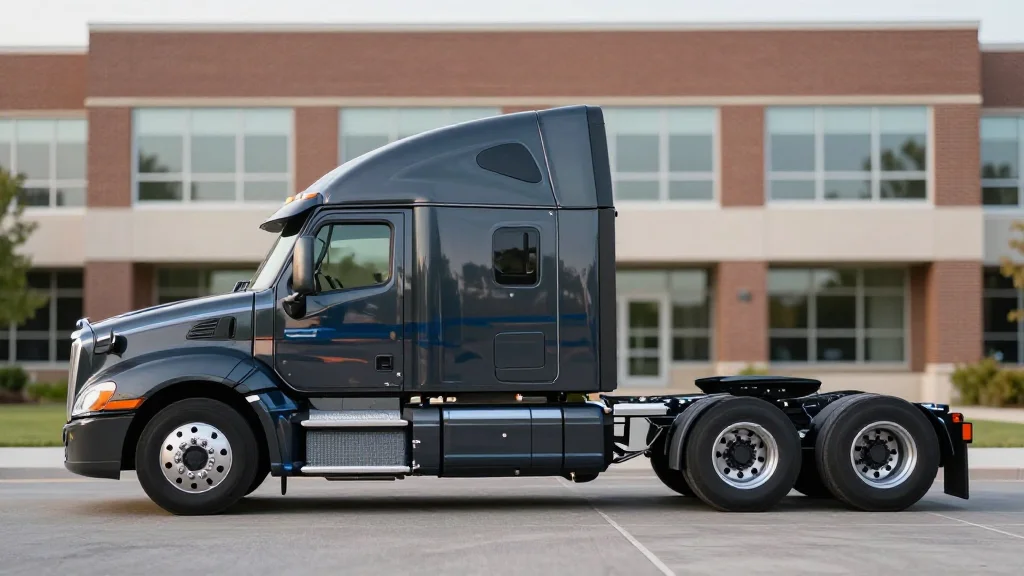
Pittsburg State University Just Got a MASSIVE Gift: An Electric Semi Truck
Why It Matters
The gift addresses the growing shortage of skilled heavy‑duty EV technicians by providing real‑world training on industry‑leading equipment. It also signals increasing adoption of electric semis in short‑haul and drayage markets, accelerating the commercial EV transition.
Key Takeaways
- •TLG donated Peterbilt 579EV electric semi to Pitt State.
- •Truck weighs 82,000 lb, 605 hp, 90‑100 mile range.
- •Donation supports heavy‑duty EV curriculum addressing technician shortage.
- •13‑inch SmartDisplay and ADAS improve safety, productivity.
- •Battery upgrade to 500 kWh extends range to 200 miles.
Pulse Analysis
The commercial electric‑truck market is moving from pilot projects to mainstream deployment, driven by stricter emissions regulations and rising fuel costs. Yet the sector faces a critical bottleneck: a limited pool of technicians trained to service high‑voltage systems, battery management, and advanced driver‑assist technologies. Universities and technical colleges are becoming essential pipelines, offering curricula that blend traditional diesel knowledge with emerging EV competencies. By integrating an industry‑grade vehicle into its program, Pittsburg State positions itself at the forefront of this educational shift, attracting students eager to fill the looming skills gap.
Peterbilt’s Model 579EV exemplifies the next generation of Class 8 trucks, combining a 445 kW (605 hp) electric motor with modular battery options ranging from 300 kWh to 500 kWh. Its 90‑100‑mile loaded range suits short‑haul and drayage routes, while the optional 200‑mile configuration expands operational flexibility. Features like a 13‑inch SmartDisplay, Bendix Fusion Stop & Auto Go, and pedestrian‑detection ADAS provide a realistic platform for students to learn both vehicle dynamics and safety‑critical software interfaces. Hands‑on exposure to these systems accelerates competency development, reducing the onboarding time for employers seeking qualified electric‑truck technicians.
The partnership between The Larson Group and Pittsburg State illustrates a replicable model for regional workforce development. Local dealers benefit from a pipeline of job‑ready graduates, while the university gains prestige and access to cutting‑edge equipment. As more fleets adopt electric semis for urban deliveries and port operations, similar collaborations are likely to proliferate, fostering a skilled labor base that can sustain rapid electrification. This synergy not only supports the immediate talent shortage but also reinforces the broader transition toward zero‑emission freight transport.
Pittsburg State University just got a MASSIVE gift: an electric semi truck
Comments
Want to join the conversation?
Loading comments...