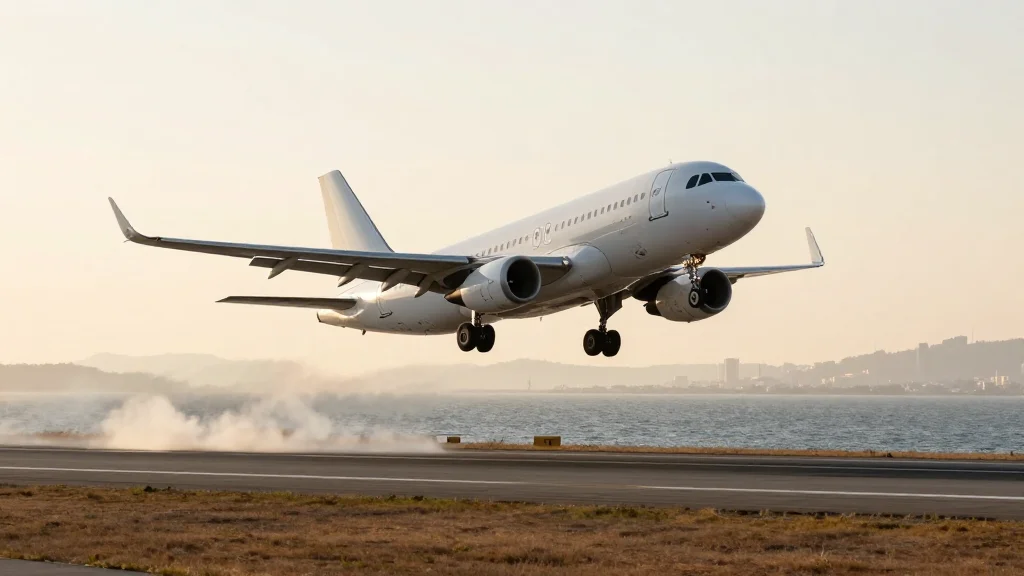
Planes Fly From Beirut Airport Despite Israeli Bombing
Why It Matters
Keeping the airport operational preserves Lebanon’s critical link to global markets and humanitarian aid, while demonstrating the feasibility of civil aviation under active conflict conditions.
Key Takeaways
- •Beirut airport remains operational despite Israeli strikes
- •Flight traffic down to less than half of normal levels
- •MEA maintains three daily flights to Turkey, down from 11
- •US embassy provides intelligence enabling safe air corridors
- •Renovations aim to add 1.3 million passenger capacity this year
Pulse Analysis
The resilience of Beirut–Rafic Hariri Airport amid the Israel‑Hezbollah clash underscores how strategic infrastructure can survive even high‑intensity conflict. While neighboring districts faced evacuation orders, the airport’s continued operation has provided a lifeline for business travelers, aid workers, and diaspora families. This rare continuity in a war zone highlights the importance of diplomatic channels—particularly the US embassy’s real‑time intelligence—that help separate commercial air routes from military flight paths, reducing the risk of accidental engagements.
Operational safety hinges on tightly coordinated air corridors. Lebanese pilots report that Israeli drones and combat aircraft fly at higher altitudes, while commercial transponders remain active, allowing air traffic controllers to monitor and de‑conflict movements. The United States acts as a primary intermediary, sharing flight‑movement data with Lebanese authorities and other diplomatic missions. Such collaboration has limited incidents to only a handful of delayed landings, reinforcing confidence among airlines that the sky over Beirut, though contested, can be navigated safely.
Economically, the airport’s partial capacity still supports a critical conduit for trade and tourism, sectors vital to Lebanon’s strained economy. With an average eight million passengers annually, the facility is leveraging reduced traffic to fast‑track renovations, targeting an additional 1.3 million seats this year. This expansion not only prepares the hub for post‑conflict demand but also signals a broader commitment to keep Lebanon connected to global supply chains, a signal that may attract investment and aid despite the surrounding instability.
Planes fly from Beirut airport despite Israeli bombing
Comments
Want to join the conversation?
Loading comments...