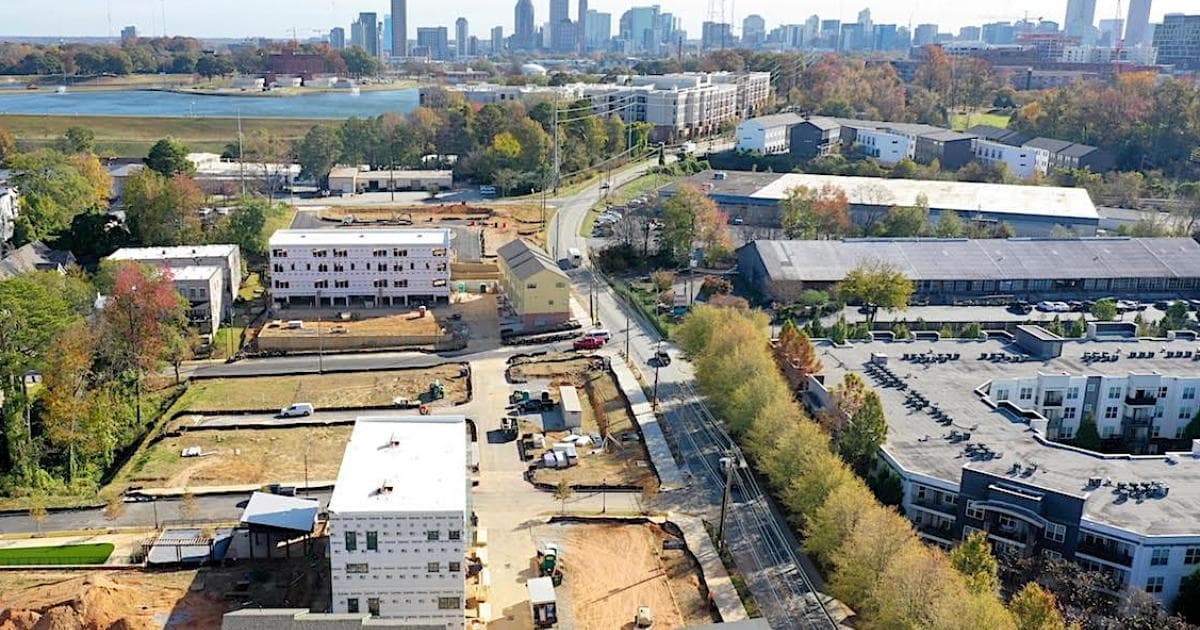
Plans: Often-Clogged Atlanta Street Could See (some) Relief Soon
Why It Matters
Improving Huff Road will alleviate a chronic traffic bottleneck and support the Upper Westside’s surge in residential and mixed‑use development, while advancing Atlanta’s broader multimodal and safety goals.
Key Takeaways
- •Huff Road widening seeks three lanes between Earnest and Foster
- •Project adds north-side sidewalk, lighting, and upgraded MARTA stop
- •Upper Westside CID awarded $200K grant for safety study
- •Design must minimize land acquisition, using city-owned open space
- •Vision Zero lens guides plans to cut pedestrian and cyclist deaths
Pulse Analysis
Atlanta’s Upper Westside has become a hotbed for high‑density housing, with projects like Empire Communities’ Longreen and Novel West Midtown adding hundreds of units in a short span. This rapid growth has turned Huff Road, one of the few east‑west arteries linking Marietta Boulevard to Howell Mill Road and the Beltline, into a daily choke point for commuters, cyclists, and transit riders. By widening the corridor to three lanes and adding pedestrian‑friendly infrastructure, the city aims to balance the surge in vehicle traffic with the need for safe, multimodal movement, a challenge many fast‑growing urban districts face.
The funding mix underscores a collaborative financing model: a $200,000 grant from the Atlanta Regional Commission kick‑started a safety study, while development impact fees will cover a portion of the construction costs. Such public‑private partnerships are increasingly common in infrastructure projects that support new residential density, ensuring that growth does not outpace the capacity of existing streets. Moreover, the project’s Vision Zero mandate signals Atlanta’s commitment to eliminating traffic fatalities, aligning local road upgrades with national safety standards.
While the scope is limited to a quarter‑mile stretch, the improvements could set a precedent for future street redesigns across the city. By prioritizing minimal land acquisition and leveraging city‑owned parcels, the project demonstrates a pragmatic approach to urban retrofitting that respects existing property boundaries. If successful, Huff Road could become a model for integrating wider lanes, dedicated sidewalks, and enhanced transit amenities in tightly built neighborhoods, ultimately boosting property values, attracting businesses, and improving quality of life for residents and visitors alike.
Plans: Often-clogged Atlanta street could see (some) relief soon
Comments
Want to join the conversation?
Loading comments...