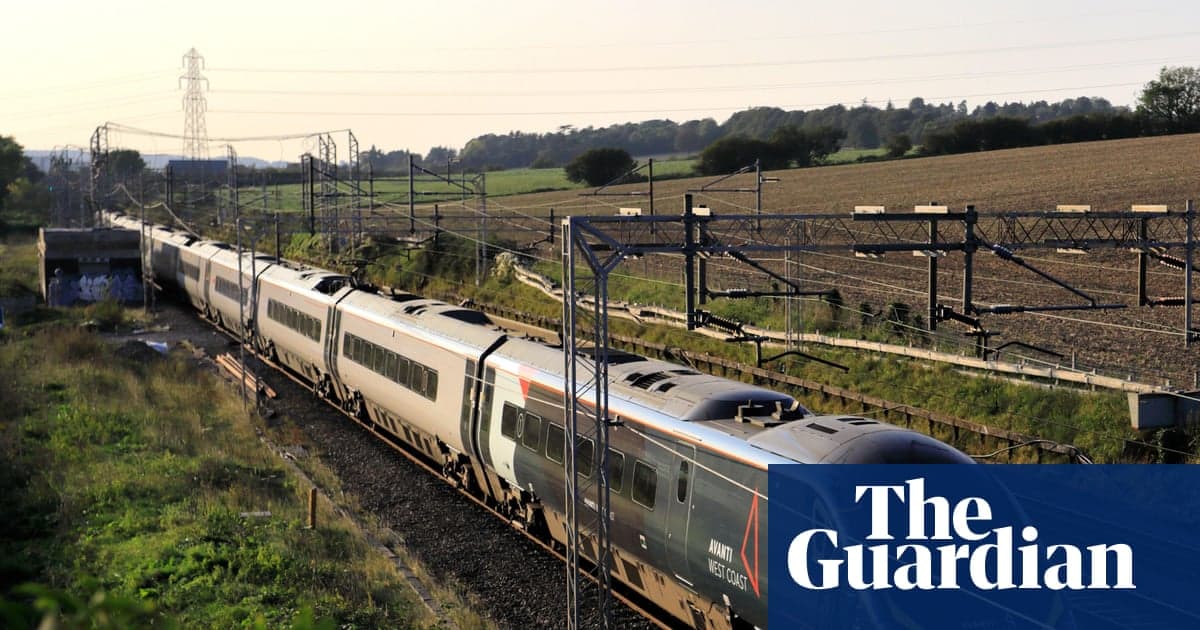
Plans to Change HS2 Train Size Could Reduce Capacity and Speed in North, Says Expert
Companies Mentioned
Why It Matters
Reduced capacity and slower speeds could diminish HS2’s revenue potential and undermine its promise of faster north‑south connectivity, while contract changes risk inflating an already strained budget.
Key Takeaways
- •HS2 train order valued at £2 bn (~$2.5 bn) for 54 units
- •Proposed shift to 250‑metre trains could cut capacity north of Birmingham
- •Eight‑carriage Hitachi‑Alstom trains cannot tilt, limiting speed on curves
- •Expert warns contract changes add cost, delay and station redesign
- •Retaining original order may save money and enable future Pendolino replacement
Pulse Analysis
The high‑speed rail project that once promised a seamless London‑to‑Manchester link is now grappling with a fundamental design dilemma. The original 2021 contract with the Alstom‑Hitachi joint venture called for 54 trains that could be doubled to 16‑carriage, Eurostar‑length units. After Prime Minister Rishi Sunak scrapped the northern extension in 2023, the Department for Transport is reviewing the order to trim expenses, eyeing shorter 250‑metre, eight‑carriage sets that would fit existing stations but sacrifice the capacity originally envisioned.
Technical constraints amplify the controversy. The proposed Hitachi‑Alstom units lack the tilting capability of the Pendolino fleet that currently serves the West Coast Main Line, meaning they would have to slow on the curved conventional tracks north of Birmingham. This not only reduces the number of seats per train but also elongates journey times, eroding the competitive advantage HS2 was meant to deliver. Moreover, many northern stations, such as Manchester Piccadilly, cannot accommodate the 400‑metre, 16‑carriage configuration, forcing a compromise that could leave passengers “full and left behind” on day one, as Gibb warned.
From a business perspective, altering the contract now could trigger penalties, redesign costs for depots and stations, and further delay the project’s target opening around 2040. Retaining the original specification may represent a cost‑saving path, allowing the government to focus on upgrading the existing Pendolino fleet later, thereby preserving future capacity and revenue streams without additional rail construction. Stakeholders across the rail sector are watching closely, as the outcome will shape the economic viability of Britain’s flagship infrastructure program and its ability to meet long‑term transport demand in the north.
Plans to change HS2 train size could reduce capacity and speed in north, says expert
Comments
Want to join the conversation?
Loading comments...