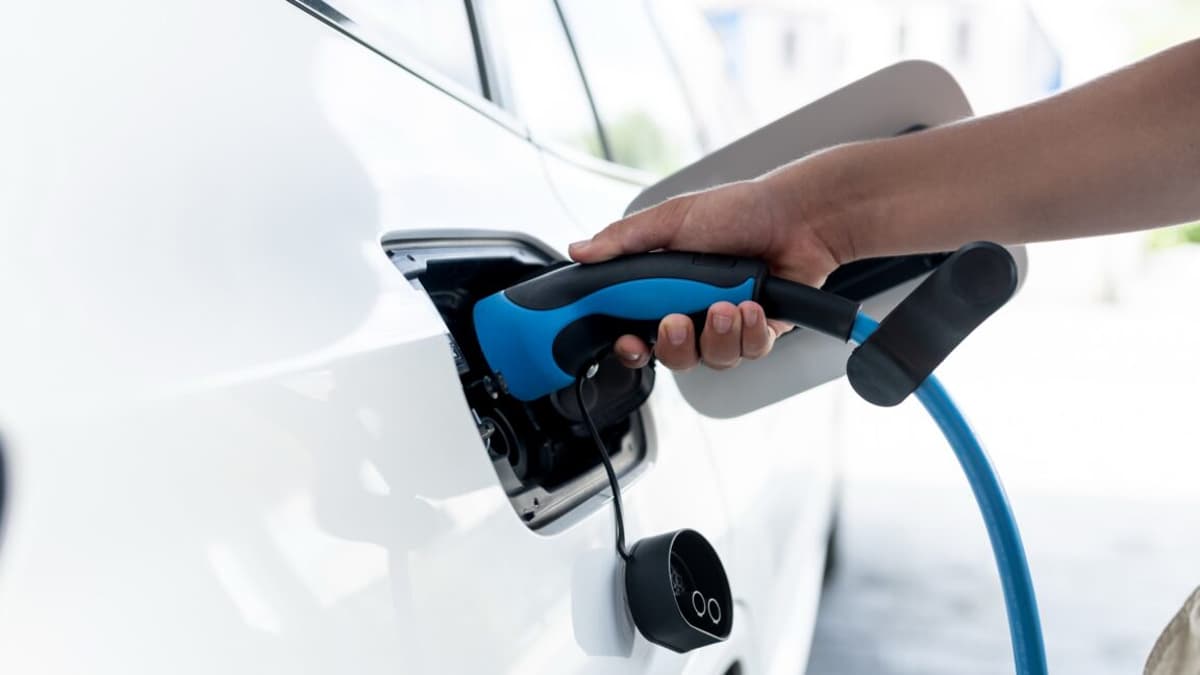
Plug-In Hybrids Get Plugged in More than You Might Think
Companies Mentioned
Why It Matters
Regular charging means plug‑in hybrids deliver their promised fuel‑economy and emissions benefits, influencing policy incentives and consumer confidence in the technology.
Key Takeaways
- •Toyota RAV4 Prime drivers charge on 7 of 10 days
- •Lexus NX owners plug in 8‑9 days per 10
- •Kia and Hyundai report over 90% of PHEV owners regularly charge
- •BMW shows more than half of PHEV owners charge 2‑4 times weekly
- •Lack of OEM data hampers full assessment of PHEV emissions impact
Pulse Analysis
The latest charging‑habit data from Toyota Research Institute North America provides a rare glimpse into how plug‑in hybrid owners actually use their vehicles. Analyzing over 6,000 RAV4 Prime and Lexus NX 450h+ models from 2021‑2024, the study found that drivers plug in on seven to nine out of ten days, a frequency that rivals many pure‑electric owners. This pattern aligns with independent reports from BMW, Kia and Hyundai, all indicating that the majority of PHEV owners regularly top up their batteries, debunking the long‑standing notion that these cars sit idle on electric power.
The implications extend beyond consumer habits to environmental policy and market dynamics. When PHEVs are consistently charged, they can achieve the high fuel‑economy figures advertised, reducing tailpipe emissions and overall carbon footprints. This strengthens the case for continued or even expanded incentives aimed at hybrid electrification, especially in regions where full EV adoption faces infrastructure constraints. Moreover, reliable charging behavior can improve resale values and bolster consumer confidence, positioning PHEVs as a pragmatic bridge between internal‑combustion vehicles and fully electric fleets.
Despite encouraging trends, a significant data gap remains because many OEMs still withhold charging statistics. Greater transparency would enable regulators, researchers, and consumers to assess the true emissions impact of PHEVs and design more effective incentive structures. As the auto industry accelerates toward electrification, comprehensive usage data will be essential for calibrating policy, guiding investment in charging infrastructure, and ensuring that plug‑in hybrids fulfill their role in the transition to a low‑carbon transportation system.
Plug-in hybrids get plugged in more than you might think
Comments
Want to join the conversation?
Loading comments...