Poised for Strategic Growth Amid Global Shifts
Why It Matters
The region’s ability to modernize logistics and adopt green technologies will determine its share of the global high‑value, perishable cargo market, influencing trade balances and investment flows across the Americas.
Key Takeaways
- •Latin America airfreight growth driven by fresh produce and e‑commerce demand
- •Mexico and Brazil hubs need infrastructure upgrades and cold‑chain capacity
- •Real‑time tracking and data analytics become competitive differentiators
- •Sustainable aviation fuel adoption hinges on regional collaboration and policy support
- •LATAM Cargo invests in cold storage, digital tools, and circular logistics
Pulse Analysis
The surge in consumer appetite for fresh, healthy foods and the acceleration of e‑commerce have turned Latin America into a burgeoning source of high‑value, perishable cargo. Its agricultural diversity—ranging from tropical fruits to premium seafood—offers a competitive edge in global trade, provided that logistics networks can keep pace with speed‑sensitive demand. Air cargo’s inherent agility makes it the preferred mode for time‑critical shipments, positioning the region to capture a larger slice of the worldwide perishables market.
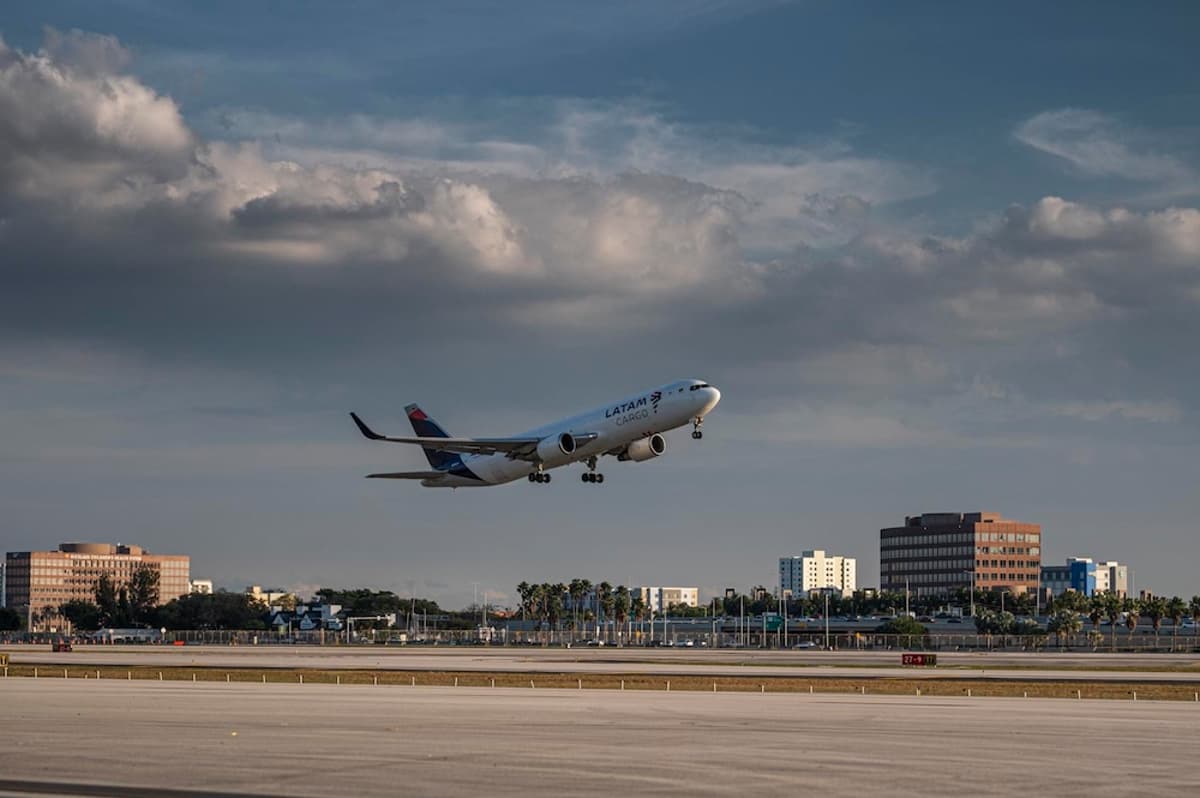
However, the growth trajectory is constrained by infrastructure bottlenecks and fragmented processes. Airports in Mexico and Brazil, while strategically located, require runway expansions, modern warehouses, and robust cold‑chain facilities to handle increased volumes without compromising product integrity. LATAM Cargo is addressing these gaps by investing in larger cold storage units in Miami, scaling operations in Colombia, and deploying real‑time tracking and analytics platforms that enhance visibility and reduce dwell time. Such digital upgrades not only improve operational efficiency but also meet the transparency expectations of e‑commerce retailers and premium brand shippers.
Sustainability is emerging as a decisive factor for long‑term viability. The region’s access to sustainable aviation fuel (SAF) feedstocks—Brazil’s bio‑fuel capacity and Chile’s synthetic fuel research—offers a pathway to decarbonize air freight. LATAM Cargo’s circular‑economy measures, including recycled pallets and reusable cargo covers, complement SAF initiatives and have earned IATA recognition. Coordinated public‑private efforts will be essential to create a stable regulatory environment, attract investment, and ensure that Latin America’s airfreight ecosystem remains resilient and competitive in the evolving global supply chain landscape.
Poised for strategic growth amid global shifts
Comments
Want to join the conversation?
Loading comments...