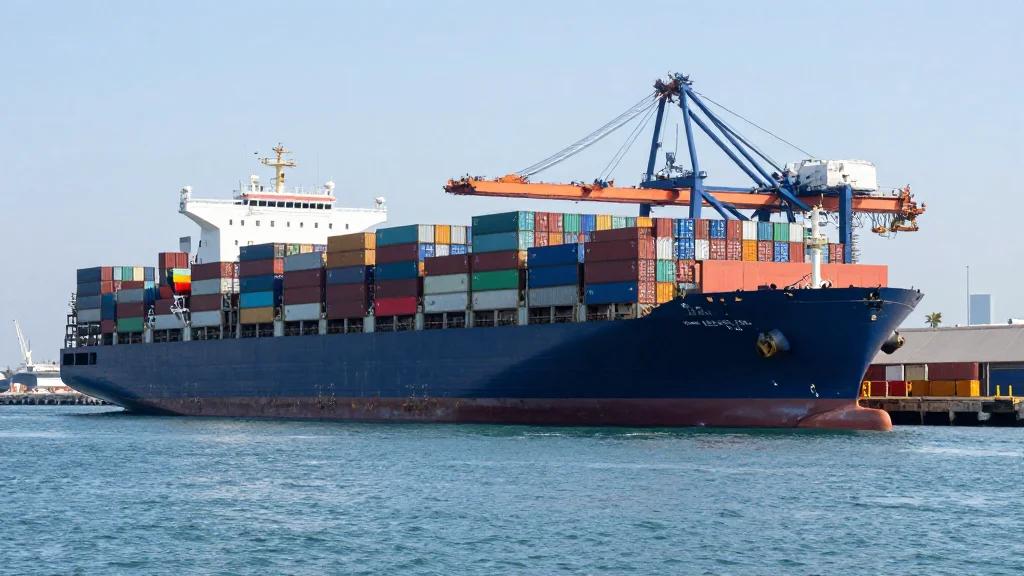
POLA, POLB Close Out Q1 on Strong Footing as Tariffs and Global Tensions Cloud Outlook
Companies Mentioned

Why It Matters
Port activity is a leading barometer for U.S. trade; shifts in volumes signal how tariffs, geopolitical risk, and consumer demand will shape supply‑chain costs and retail pricing. The unresolved $170 billion refund pool and rising fuel surcharges could pressure margins across logistics and consumer‑goods sectors.
Key Takeaways
- •POLA March volume 752,250 TEU, down 3% YoY, exports up 7%.
- •POLB March volume 774,935 TEU, down 5.2% YoY, still highest U.S. Q1.
- •IEEPA tariffs struck down; $170 billion refunds pending, impacting U.S. economy.
- •Middle East conflict pushes oil to ~$100/barrel, raising U.S. fuel costs.
- •Shippers add fuel surcharges; Amazon 3.5%, USPS 8%, trucking up 25%.
Pulse Analysis
Port traffic in Southern California remains a bellwether for the broader U.S. trade landscape. In the first quarter, both the Port of Los Angeles and the Port of Long Beach posted volumes near historic highs despite modest year‑over‑year declines. Seasonal dynamics, such as the Lunar New Year’s impact on Asian shipping schedules, helped buoy export numbers, with POLA’s exports climbing 7% and POLB edging a modest gain. Analysts view the Q1 data as a more reliable indicator than the volatile first‑three‑months, suggesting that retailers may see a solid start to the spring‑summer replenishment cycle.
The legal environment adds another layer of complexity. A February Supreme Court ruling invalidated the White House’s IEEPA tariffs, creating a $170 billion gap in potential refunds for importers. While steel, aluminum, and auto duties persist, the temporary 10% import charge under the 1974 Trade Act remains in effect for another 150 days, extending cost uncertainty. Companies are scrambling to navigate litigation and legislative avenues to recover funds, a process that could inject significant liquidity into the U.S. economy if resolved.
Geopolitical tension further strains the supply chain. Ongoing conflict in the Middle East has pushed crude oil to roughly $100 per barrel, driving fuel prices to $6 per gallon in Los Angeles and prompting a cascade of surcharges across logistics providers. Amazon, the USPS, UPS, FedEx, and trucking firms have all announced fuel‑related fee hikes, eroding margins and feeding higher consumer prices. Rerouting of Asian‑to‑European cargo via Los Angeles, sometimes combined with air freight, illustrates how shippers are adapting to higher transit costs and longer routes. Together, these forces underscore a fragile equilibrium where port throughput, tariff policy, and global security intersect to shape the cost structure of American goods.
POLA, POLB close out Q1 on strong footing as tariffs and global tensions cloud outlook
Comments
Want to join the conversation?
Loading comments...