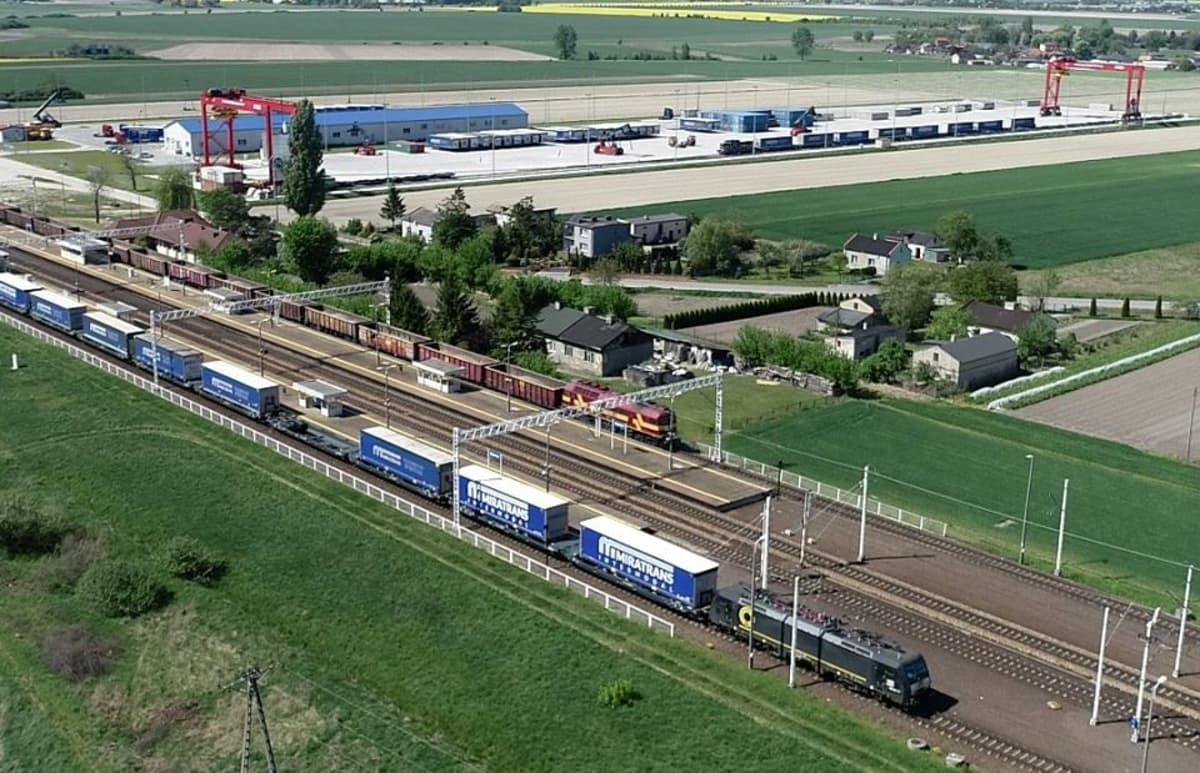
Polish Intermodal Keeps Growing with Two New Services
Why It Matters
The new connections deepen Poland’s role as a logistics bridge between Western Europe and the Adriatic, offering shippers faster, greener rail options and unlocking untapped cargo segments. This strengthens supply‑chain resilience and supports EU climate goals for freight transport.
Key Takeaways
- •Miratrans launched twice‑weekly Rotterdam‑Krzewie shuttle train.
- •Baltic Rail added Rijeka‑Poland link serving Wrocław, Katowice, Paskow.
- •New routes provide alternative to Koper corridor for Central Europe.
- •Polish intermodal volumes hit record Q1 and Q4 2025.
- •Semi‑trailer transport remains untapped segment in Poland’s rail freight.
Pulse Analysis
Poland’s intermodal market has accelerated dramatically, driven by its central location between Western Europe and the Balkans. Between 2024 and 2025, the sector posted double‑digit growth across all key performance indicators, with record shipments recorded in the first and fourth quarters. This surge reflects broader EU initiatives to shift freight from road to rail, reducing congestion and emissions. Yet, intermodal still accounts for a modest share of total rail freight, leaving ample room for operators to capture new cargo types, especially semi‑trailers.
The latest services underscore that momentum. Miratrans inaugurated a twice‑weekly shuttle linking the RSC Rotterdam terminal with its Krzewie hub, creating a direct north‑south corridor that bypasses traditional road routes. Simultaneously, Baltic Rail opened a Rijeka‑Poland line serving Wrocław, Katowice and the border terminal at Paskow, offering shippers a viable alternative to the established Koper‑to‑Poland corridor. Both routes enhance capacity, shorten transit times, and provide greater flexibility for manufacturers moving finished goods or raw materials across the continent.
Looking ahead, the Polish intermodal sector is poised for further expansion as infrastructure upgrades and policy incentives converge. The Polish Office of Transport’s data highlights significant upside in semi‑trailer and containerized freight, segments that remain under‑served. Investors are likely to target terminal upgrades and digital platforms that improve visibility and booking efficiency. For global supply‑chain players, the emerging corridors present cost‑effective, greener options that can diversify routing strategies and mitigate risks associated with congested highways and port bottlenecks.
Polish intermodal keeps growing with two new services
Comments
Want to join the conversation?
Loading comments...