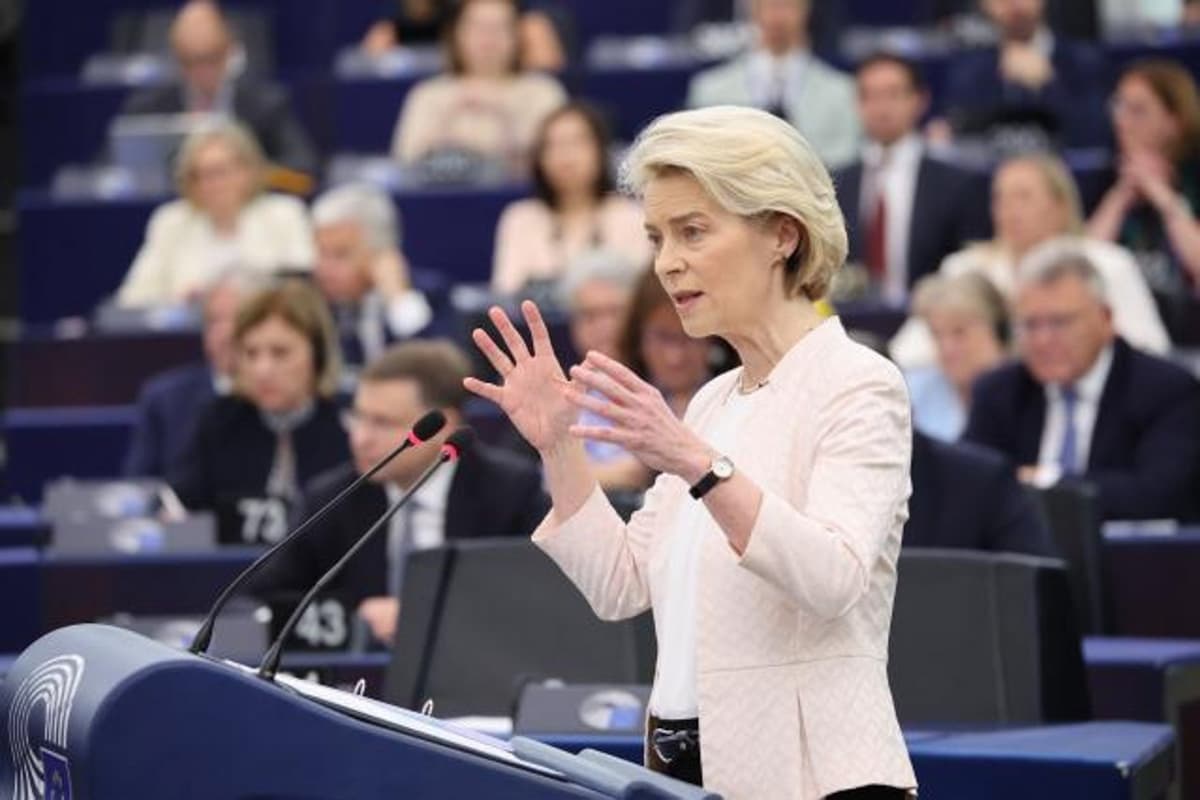
Politicians Turn Luxembourg Charging Hub Into Unexpected Meeting Point
Why It Matters
The charging bottleneck exposes operational challenges of large‑scale EV adoption in government, potentially slowing the EU’s climate‑leadership agenda. It underscores the need for robust charging infrastructure on critical inter‑city routes.
Key Takeaways
- •Luxembourg rest area now a regular charging stop for EU officials
- •Charging adds 20‑30 minutes to a five‑hour Brussels‑Strasbourg trip
- •EU green‑fleet target: 128 vehicles, fully electric by 2027
- •80% of Commission’s fleet already electric, but range limits persist
- •Complaints signal infrastructure gaps for high‑profile electric travel
Pulse Analysis
The European Commission’s push toward a zero‑emission fleet reflects the bloc’s broader climate commitments, yet the practicalities of daily operations are revealing hidden hurdles. While 80 percent of the 128‑vehicle fleet is already electric, long‑distance routes like Brussels‑Strasbourg expose the limits of current charging networks. A mandatory 20‑ to 30‑minute top‑up at a Luxembourg service area extends a five‑hour journey, turning a sustainability initiative into a logistical headache for senior officials.
This friction is more than a minor inconvenience; it illustrates the scalability challenges that public institutions face when transitioning to electric mobility. High‑profile users require predictable travel times, and any delay can ripple through diplomatic schedules and policy meetings. The situation also raises questions about the adequacy of Europe’s charging infrastructure, especially along corridors that serve government and business travel. As the EU mandates stricter emissions standards, the pressure to expand fast‑charging stations and improve battery range will intensify.
For policymakers, the Luxembourg charging stop serves as a case study in aligning environmental ambition with operational reality. Investing in ultra‑fast chargers, harmonising standards across member states, and integrating smart routing software could mitigate delays. Moreover, the episode may accelerate private‑public partnerships aimed at bolstering the charging ecosystem, ensuring that the EU’s green‑fleet can meet both climate goals and the practical demands of high‑level governance.
Politicians turn Luxembourg charging hub into unexpected meeting point
Comments
Want to join the conversation?
Loading comments...