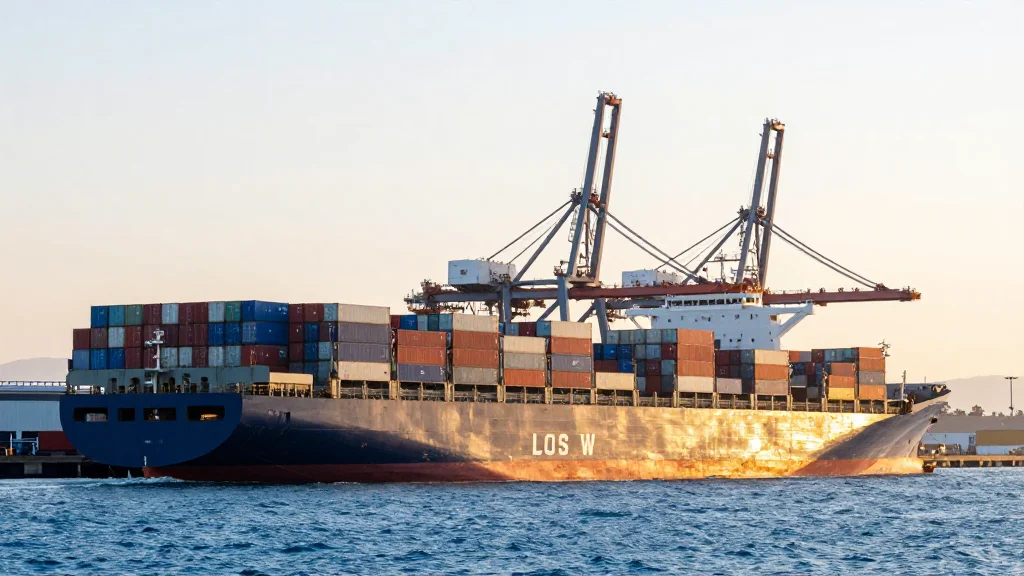
Port of Los Angeles April Volumes Post 5% Annual Gain
Why It Matters
The volume jump underscores continued strength in U.S. consumer demand and a stable supply chain, signaling confidence for import‑dependent retailers and manufacturers ahead of the holiday season.
Key Takeaways
- •POLA handled 890,861 TEU in April, 5.7% YoY rise.
- •Imports grew 5% YoY, 21% versus March.
- •Empty containers up 10%, indicating strong container rotation.
- •Exports slipped 0.5% YoY but show early recovery signs.
- •Port credits resilient consumer spending and steady U.S. manufacturing.
Pulse Analysis
April’s near‑record throughput at the Port of Los Angeles highlights a broader rebound in U.S. import activity after a turbulent pandemic‑era. While the port’s total TEU volume rose 5.7% year‑over‑year, the surge was driven primarily by imports, which climbed 5% and surged 21% from March. This pattern mirrors a shift in retailer strategy: front‑loading inventory ahead of potential tariff adjustments and positioning for the back‑to‑school and holiday seasons. The increase in empty container returns, up 10%, also points to a healthier container cycle, reducing dwell times and supporting faster vessel turnarounds.
The data signals that American consumers remain a potent engine of demand despite lingering inflation and modest job growth. Gene Seroka’s comments about factories operating at full capacity in Asia suggest that supply‑side constraints are easing, allowing a smoother flow of goods into the United States. For manufacturers, the steady flow of parts and components through POLA reinforces domestic production stability, which is critical as reshoring initiatives gain momentum. Moreover, the modest export decline, offset by early improvement signals, could encourage exporters to re‑engage with Asian markets once geopolitical tensions ease.
Nevertheless, the port cautions that external risks persist. Ongoing Middle‑East conflicts, lingering tariff uncertainties, and labor market softness could disrupt the positive trajectory. Monitoring macro indicators such as Q1 GDP growth, inflation trends, and retail sales will be essential for forecasting cargo volumes in the second half of the year. Stakeholders—from shipping lines to logistics providers—should prepare contingency plans while capitalizing on the current demand surge to optimize capacity and pricing strategies.
Port of Los Angeles April volumes post 5% annual gain
Comments
Want to join the conversation?
Loading comments...