Why It Matters
The vessel proves that zero‑emission ferry technology can be deployed at scale on busy harbor routes, helping California meet its climate targets and offering a replicable model for ports nationwide.
Key Takeaways
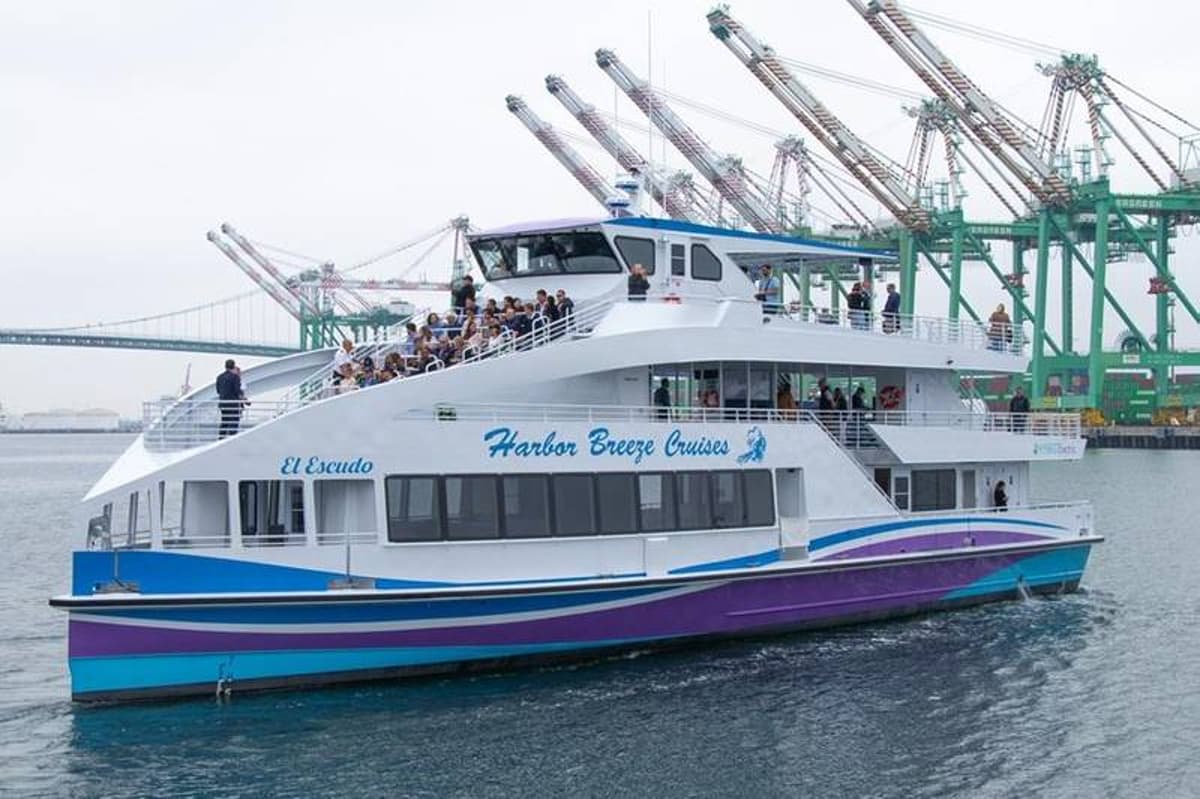
- •El Escudo hybrid ferry carries 350 passengers, zero‑emission capable.
- •Operates minimum 30% electric, some trips 100% electric.
- •CARB grant $31 M plus $30 M matching funds supports project.
- •Expected to cut >60 tons of emissions each year.
- •Ports commit $3.5 M for charging infrastructure and trials.
Pulse Analysis
California’s maritime sector is under increasing pressure to curb greenhouse‑gas output, and the Port of Los Angeles’ debut of the El Escudo hybrid ferry marks a tangible step toward that goal. By integrating a parallel hybrid propulsion system, the vessel can seamlessly switch between battery‑electric, diesel, and combined modes, delivering zero‑emission operation for at least a third of its trips. This flexibility addresses the variable distances and turnaround times typical of harbor‑craft services while meeting stringent EPA Tier 4 and CARB standards, positioning the ferry as a benchmark for sustainable short‑haul transport.
The project’s financial architecture underscores public‑private collaboration in clean‑tech adoption. A $31 million CARB grant, bolstered by $30 million in matching contributions from Harbor Breeze Cruises and other partners, underwrites both vessel development and the supporting charging infrastructure. Additional commitments—$2.45 million from the Port of Los Angeles and $1.05 million from the Port of Long Beach—ensure the necessary shore‑side power upgrades. These investments are projected to eliminate over 60 tons of emissions annually, translating into measurable air‑quality benefits for the San Pedro Bay region and advancing California’s broader climate agenda.
Beyond the immediate environmental impact, the El Escudo serves as a proof‑of‑concept for a new class of low‑ and zero‑emission harbor vessels. The success of this demonstration will likely accelerate adoption across U.S. ports, especially as federal and state agencies tighten emissions regulations for commercial marine traffic. Shipbuilders and operators can leverage the data generated by the LA MER project to refine battery sizing, optimize hybrid control algorithms, and lower lifecycle costs, making sustainable ferry services economically viable and attractive to investors seeking green infrastructure opportunities.
Port of Los Angeles Debuts Hybrid Cruise Vessel
Comments
Want to join the conversation?
Loading comments...