Ports Get $70 Million Each for Upgrades
Companies Mentioned
Why It Matters
The funding narrows the gap between contributions and reinvestment, strengthening two of the nation’s busiest gateways and supporting U.S. trade competitiveness. It also underpins critical infrastructure upgrades needed for seismic resilience and capacity growth.
Key Takeaways
- •$70M allocated to each port for dredging and safety upgrades
- •New distribution formula boosts funding for major donor ports
- •Projects target seismic retrofits, wharf repairs, and channel improvements
- •Funding helps Long Beach aim for 20M TEU by 2050
Pulse Analysis
The Harbor Maintenance Trust Fund, financed by a 0.125% cargo tax on imports, has long been a cornerstone of U.S. port infrastructure financing. Recent reforms to its allocation formula have shifted the balance, ensuring that ports that contribute the most—like Los Angeles and Long Beach—receive a proportionate share of the revenues. This policy adjustment addresses a historic shortfall where donor ports saw as little as 3% of their contributions returned, a disparity that hampered long‑term capital planning and eroded confidence among stakeholders.
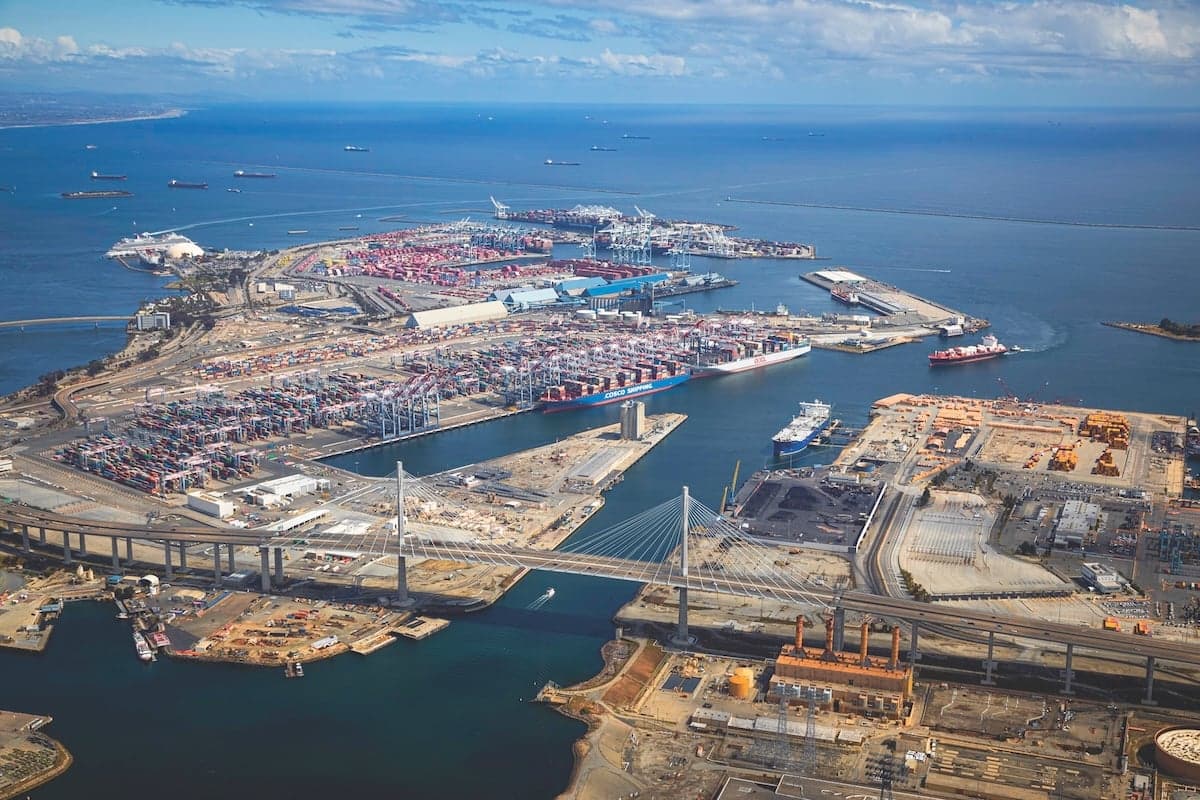
At the operational level, the $70 million grants empower both ports to tackle a slate of high‑impact projects. In Los Angeles, funds will finance dredging to maintain deep‑water channels, seismic retrofits of berths 126 and 49‑50, and critical fender and wharf repairs. Long Beach will focus on maintenance dredging, a new steel bulkhead for the Back Channel, and upgrades to berthing systems and seismic resilience. These initiatives not only extend the service life of existing assets but also lay groundwork for handling the projected $6 billion in navigational maintenance needs over the next decade.
Strategically, the investment bolsters the United States’ position in global supply chains. By enhancing capacity and safety at its two largest West Coast gateways, the ports can better accommodate the surge in container traffic driven by near‑shoring and reshoring trends. The upgrades also improve resilience against earthquakes—a persistent risk on the Pacific Ring of Fire—thereby reducing potential disruptions that could ripple through the economy. As Long Beach targets 20 million TEU annually by 2050, the funding signals a commitment to sustained growth, positioning the West Coast to compete more effectively with Asian trans‑pacific hubs.
Ports Get $70 Million Each for Upgrades
Comments
Want to join the conversation?
Loading comments...