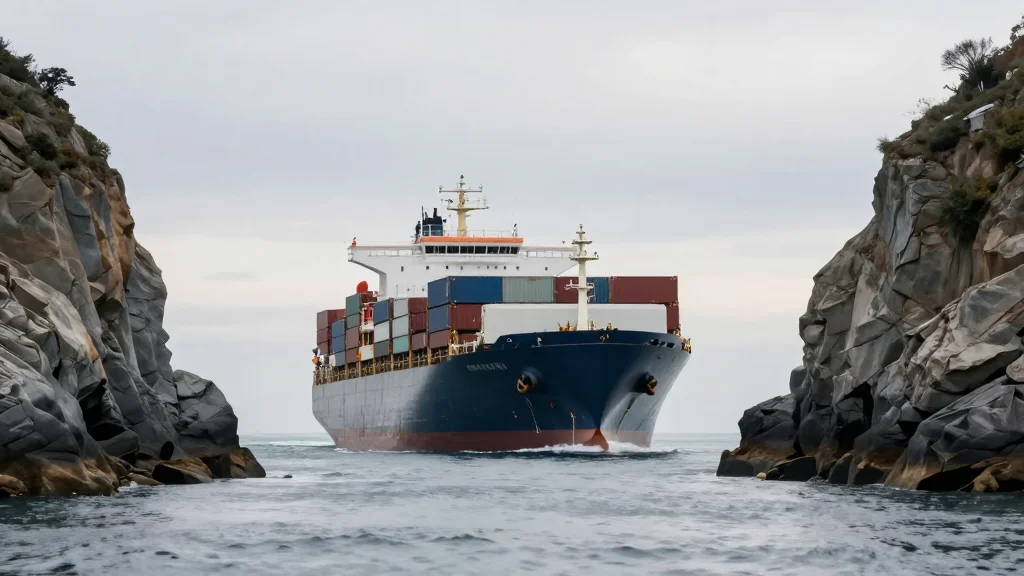
Press Release: Dun & Bradstreet: Supply Chain Exposure From Strait of Hormuz Disruption Grows
Why It Matters
The prolonged downturn in Gulf trade pressures inventory strategies and profit margins, especially for smaller firms that dominate the affected shipments, reshaping risk assessments across multiple industries.
Key Takeaways
- •Persian Gulf import bookings down 70% versus pre‑disruption levels (early May).
- •Export bookings remain ~90% below baseline, showing deeper contraction.
- •Exposed firms rose to 59,436 across 175 economies, up from 44,633.
- •Micro‑small businesses represent 72% of impacted firms, slightly lower than before.
- •Shipping routes show uneven recovery; some lanes rebound, others stay constrained.
Pulse Analysis
The Strait of Hormuz, a chokepoint for roughly a fifth of global oil and a critical conduit for container traffic, has re‑emerged as a strategic risk after recent geopolitical tensions. While the initial shock in late February caused a near‑total halt in Persian Gulf vessel movements, the longer‑term picture now reflects a fragmented recovery. Shipping lanes that connect the Gulf to Europe and Asia are seeing partial rebounds, yet many secondary routes remain congested or under‑utilized, prompting carriers to reroute cargo and incur higher freight rates.
Dun & Bradstreet’s data highlights the depth of the disruption. Import bookings are still 70% below historic averages, and export bookings linger at a 90% deficit, indicating that demand‑side recovery is lagging behind supply‑side adjustments. The number of businesses linked to at‑least‑one exposed shipment jumped to over 59,000, spanning 175 economies. Notably, micro‑ and small‑enterprise exposure, while slightly reduced from 80% to 72%, underscores the disproportionate vulnerability of firms with limited bargaining power and inventory buffers. These companies face tighter cash flows and heightened pressure to secure alternative logistics solutions.
For supply‑chain leaders, the evolving scenario demands a reassessment of risk‑mitigation tactics. Diversifying routing options, increasing safety stock for critical components, and leveraging real‑time trade‑flow analytics can help cushion the operational strain. Moreover, insurers and financiers are likely to recalibrate pricing models to reflect the heightened probability of prolonged disruptions. As the Hormuz situation stabilizes—or escalates—companies that proactively adapt their logistics networks will better protect margins and maintain service continuity in an increasingly volatile global trade environment.
Press release: Dun & Bradstreet: supply chain exposure from Strait of Hormuz disruption grows
Comments
Want to join the conversation?
Loading comments...