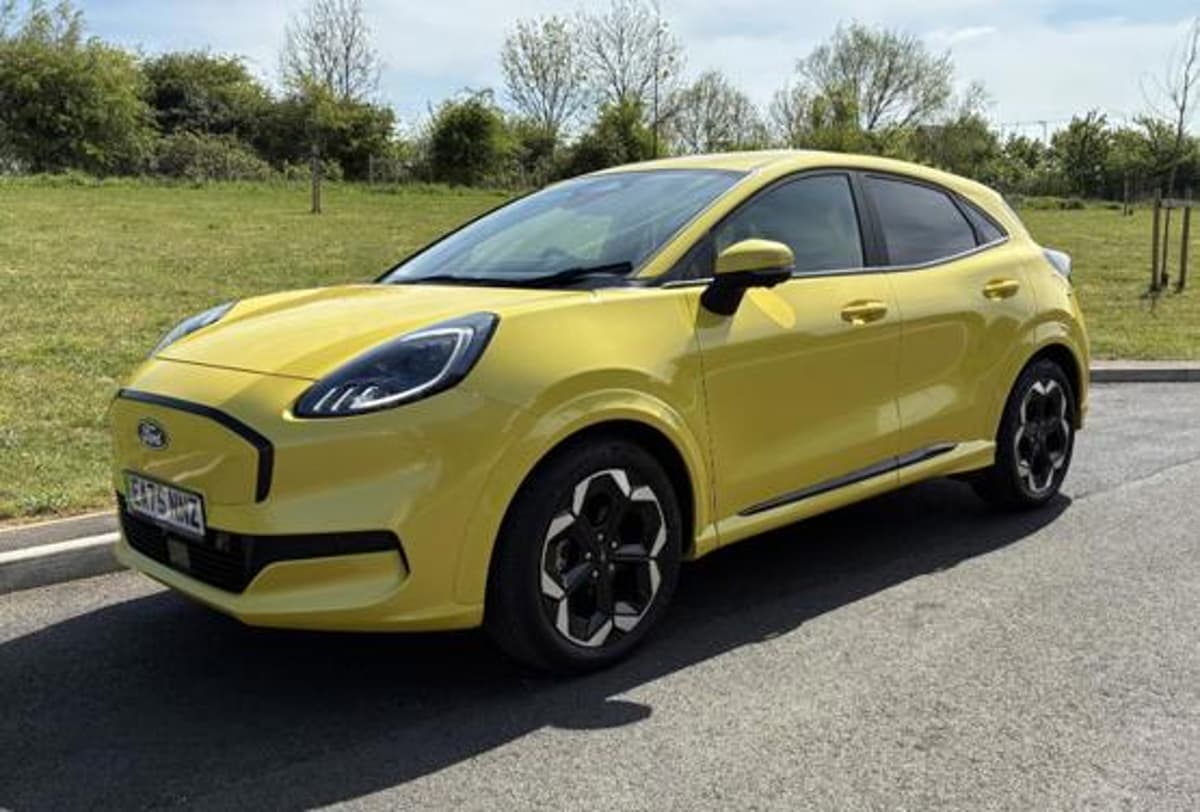
Private Buyers and EVs Drive Strongest May Since 2019
Companies Mentioned
Why It Matters
The shift underscores accelerating consumer appetite for EVs and signals that manufacturers must scale incentives to meet government decarbonisation goals, while private‑buyer momentum reshapes the UK automotive mix.
Key Takeaways
- •Private registrations rose 17.2% to 65,781 units
- •EV registrations up 34.2% to 43,931 units
- •BEVs now 27.3% of monthly market share
- •Petrol sales fell 7.1% to 66,223 units
- •Model variety grew 6.4% with 25.6% more BEVs
Pulse Analysis
The UK’s May 2026 new‑car figures reveal a market rebounding from pandemic lows, driven primarily by private buyers. Registrations jumped 7.1% year‑over‑year, with private‑buyer volumes expanding 17.2% while fleet purchases barely moved. This surge reflects heightened consumer confidence and a richer choice set, as manufacturers introduce more models—including a 25.6% increase in battery‑electric offerings since January. Competitive pricing, manufacturer discounts, and the government’s Electric Car Grant have further lowered the cost barrier, accelerating the shift toward electrified transport.
Electric vehicles now dominate the growth narrative. BEV registrations surged 34.2% to nearly 44,000 units, pushing their share to a record 27.3% of all new cars for the month. Plug‑in hybrids added another 23.9% growth, and together with hybrids they account for over half of all registrations. Yet, despite this momentum, the sector remains short of the 33% BEV share required by the Zero Emission Vehicle (ZEV) mandate, highlighting a gap between policy ambition and market reality. Manufacturers are leaning heavily on incentives to spur adoption, a strategy that may strain profitability if not balanced with sustainable pricing.
Looking ahead, the industry faces a dual challenge: sustaining private‑buyer enthusiasm while closing the ZEV gap. Analysts expect continued model diversification and deeper discounting to keep EV demand robust, but long‑term success will depend on infrastructure rollout, battery cost reductions, and clearer regulatory pathways. If the UK can align consumer incentives with realistic emissions targets, the automotive sector could avoid the competitive risks warned by the SMMT and maintain its trajectory toward net‑zero road transport.
Private buyers and EVs drive strongest May since 2019
Comments
Want to join the conversation?
Loading comments...