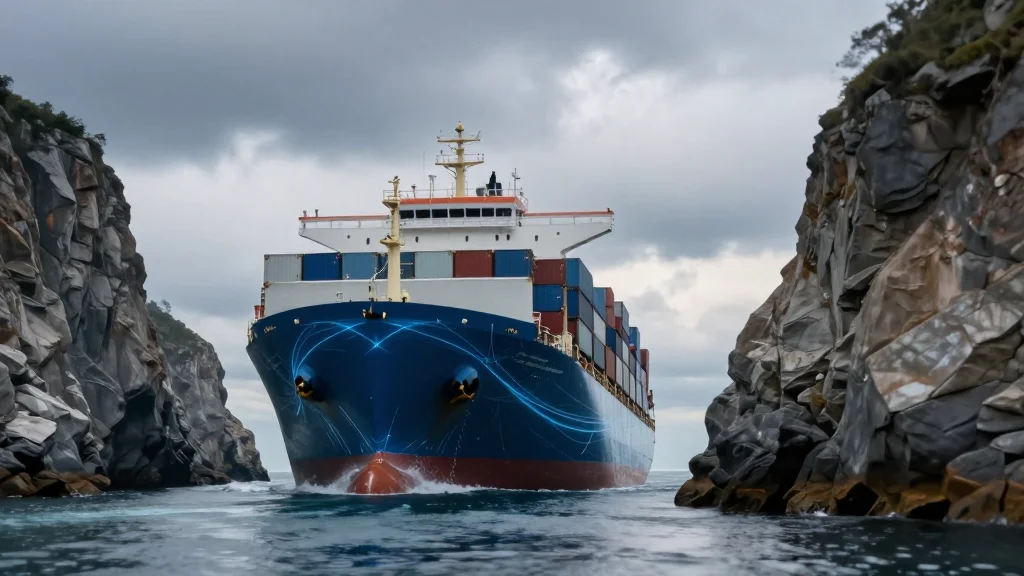
Product Brands and the Hormuz Crisis: An Inventory Problem
Why It Matters
Fragmented inventory data inflates costs and erodes margins at a time when freight expenses are already soaring, threatening profitability for product businesses. Consolidated visibility enables faster, data‑driven responses to volatile supply conditions.
Key Takeaways
- •Hormuz and Red Sea disruptions raise global freight costs dramatically
- •Fragmented channel systems cause overselling and excess inventory
- •Accurate demand forecasting needs real‑time, cross‑channel stock data
- •Supply‑chain lead times shift faster than pre‑disruption forecasts
- •Unified inventory platforms reduce margin pressure during geopolitical shocks
Pulse Analysis
The simultaneous closure of the Strait of Hormuz and ongoing Red Sea disruptions have sent freight rates climbing, affecting every product that relies on oil‑derived inputs. While the geopolitical events are external, their financial ripple reaches manufacturers, distributors, and retailers worldwide. Higher transportation costs compress already thin margins, prompting businesses to scrutinize every expense line, especially inventory holding and procurement decisions.
For brands that sell across multiple marketplaces, the real challenge lies in data silos. Each sales channel often operates its own inventory management tool, leaving a fragmented picture of stock availability. When a channel records a sale, the committed quantity rarely propagates to other systems, creating a blind spot that leads to double‑selling or unnecessary reorders. In a stable environment the issue is manageable, but under volatile supply conditions—where lead times can double overnight—these gaps become costly, resulting in either surplus inventory that ties up cash or missed sales on high‑demand SKUs.
A single, integrated inventory platform solves this by consolidating stock levels, open orders, and supplier lead times into one real‑time dashboard. With a holistic view, merchants can adjust forecasts instantly, align reorder quantities with current logistics realities, and protect margins against freight spikes. Solutions like Katana illustrate the market shift toward unified, cloud‑based ERP systems that empower product businesses to navigate geopolitical turbulence with confidence, turning a complex supply‑chain challenge into a competitive advantage.
Product brands and the Hormuz crisis: an inventory problem
Comments
Want to join the conversation?
Loading comments...