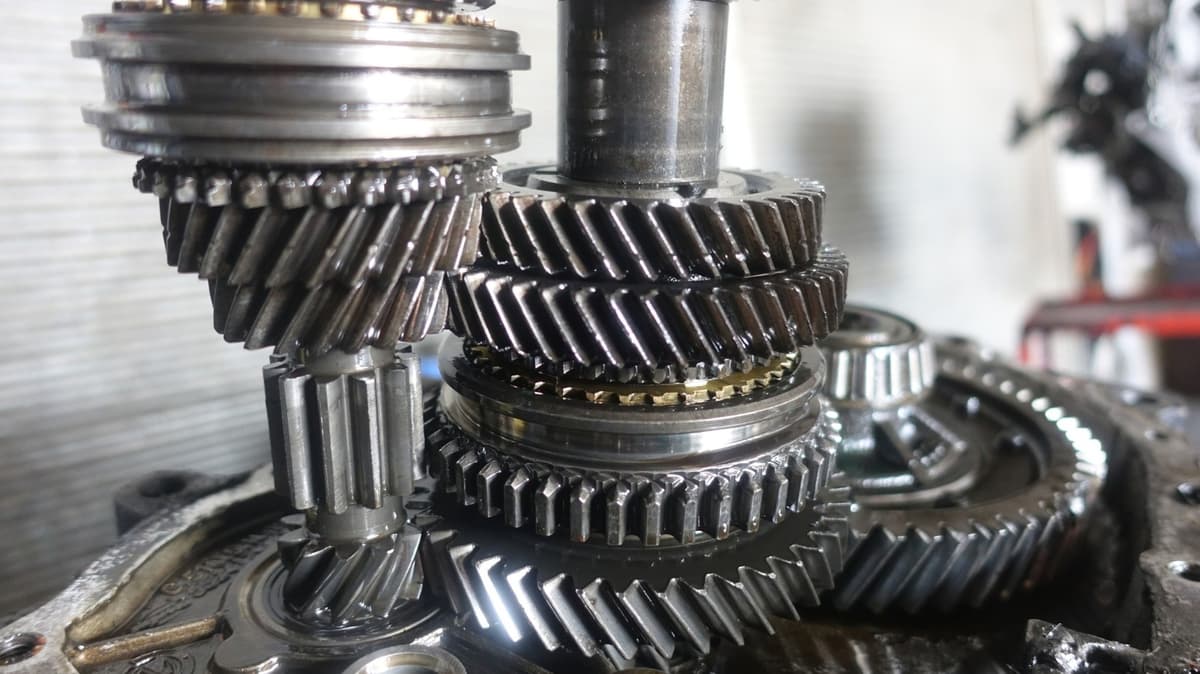
Pros And Cons Of Transaxles Vs. Standard Transmissions

Companies Mentioned
Why It Matters
Automakers must balance packaging efficiency, fuel economy, and service costs against torque capacity and durability, influencing product line positioning and consumer purchasing decisions. Understanding drivetrain trade‑offs helps fleets, OEMs, and buyers align vehicle selection with operational needs.
Key Takeaways
- •Transaxles save space, boosting cabin room in front‑wheel‑drive cars.
- •Lighter transaxles improve fuel economy but raise repair costs.
- •Standard transmissions handle higher torque, ideal for trucks and towing.
- •Separate transmission design eases service and supports manual gearboxes.
- •Weight distribution differs: transaxles favor front‑wheel traction; standards can reduce rear grip.
Pulse Analysis
The rise of front‑wheel‑drive platforms over the past two decades has made transaxles the default drivetrain for most mass‑market cars. By merging the gearbox and differential, manufacturers shrink the engine bay, lower vehicle weight, and free up interior volume—attributes that directly translate into higher fuel economy ratings and better packaging for safety structures. This compactness also aligns with global emissions targets, allowing automakers to meet stricter standards without sacrificing passenger comfort.
However, the transaxle’s space‑saving architecture introduces engineering compromises. The limited housing restricts torque capacity, making it less suitable for heavy‑duty applications such as towing or high‑performance sports cars. Repair procedures often require disassembly of the entire unit, driving up labor hours and parts costs. Torque steer and accelerated wear on CV joints are additional concerns that can affect driving dynamics and long‑term reliability, prompting many buyers of utility vehicles and performance models to prefer traditional, separate transmissions that can handle greater loads and are easier to service.
Looking ahead, electrification and modular vehicle architectures are reshaping the drivetrain landscape. Electric powertrains often eliminate the need for a conventional transmission altogether, while some hybrid systems still rely on compact transaxle‑like units to integrate electric motors with gearsets. As manufacturers develop flexible platforms that can accommodate both transaxles for efficiency‑focused models and robust transmissions for power‑intensive variants, the strategic decision will hinge on balancing upfront production costs, after‑sales service economics, and the evolving expectations of consumers and regulators.
Pros And Cons Of Transaxles Vs. Standard Transmissions
Comments
Want to join the conversation?
Loading comments...