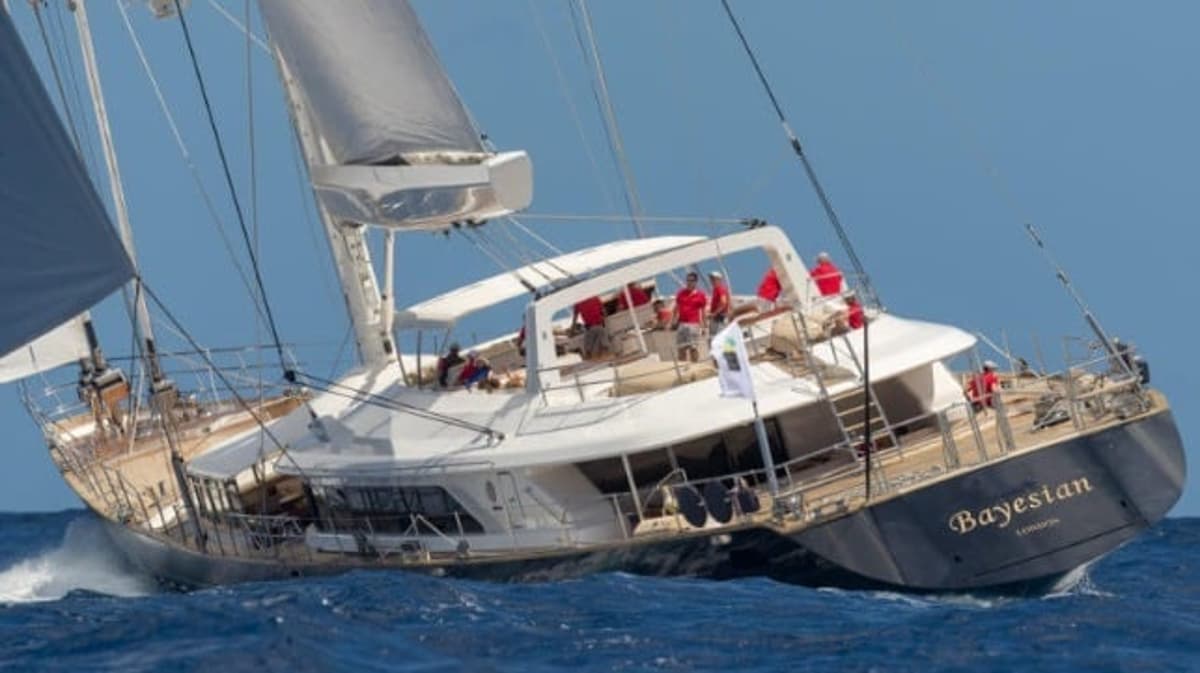
Prosecutors' Report Faults Bayesian's Crew for Sinking
Why It Matters
The case spotlights critical gaps in crew training and stability documentation, potentially reshaping liability standards and regulatory oversight for the global superyacht industry.
Key Takeaways
- •Prosecutors say crew error caused Bayesian's capsizing despite mild squall
- •MAIB report cites 63‑knot gusts exceeding yacht's stability limits
- •Master Cutfield, Eaton, Griffith face possible manslaughter charges
- •Investigation highlights gaps in stability booklets for high‑performance yachts
- •Case may prompt stricter regulatory oversight of superyacht operations
Pulse Analysis
The sinking of the Bayesian superyacht has reignited a debate over the root causes of maritime accidents involving high‑value vessels. While Italian prosecutors argue that the crew’s misjudgment of a brief squall and failure to engage critical safety systems directly led to the capsize, the UK Marine Accident Investigation Branch points to extreme gusts—potentially exceeding 63 knots—as the primary trigger. This dichotomy reflects differing investigative lenses: one focused on human error, the other on vessel design and documentation shortcomings. Understanding both perspectives is essential for stakeholders assessing risk and liability in luxury yachting.
Beyond the immediate tragedy, the incident exposes systemic weaknesses in how stability data are communicated to crews. The MAIB’s finding that the yacht’s stability booklet omitted critical information about vulnerability to beam‑on wind gusts suggests that owners and operators may be operating with incomplete safety margins. For crew members, especially those transitioning from commercial to private‑charter environments, the need for rigorous training on interpreting stability manuals becomes paramount. Industry bodies may now push for standardized, more granular stability reporting to prevent similar miscalculations.
Legally, the potential manslaughter charges against Cutfield, Eaton, and Griffith could set a precedent for criminal accountability in maritime disasters. Insurers are likely to reevaluate underwriting criteria, factoring in crew competency and the adequacy of safety documentation. Moreover, regulators in Italy, the UK, and other yachting hubs may consider harmonizing safety standards, mandating real‑time weather monitoring, and enforcing stricter crew certification requirements. The Bayesian case thus serves as a catalyst for broader reforms aimed at safeguarding lives and assets on the world’s most opulent vessels.
Prosecutors' Report Faults Bayesian's Crew for Sinking
Comments
Want to join the conversation?
Loading comments...