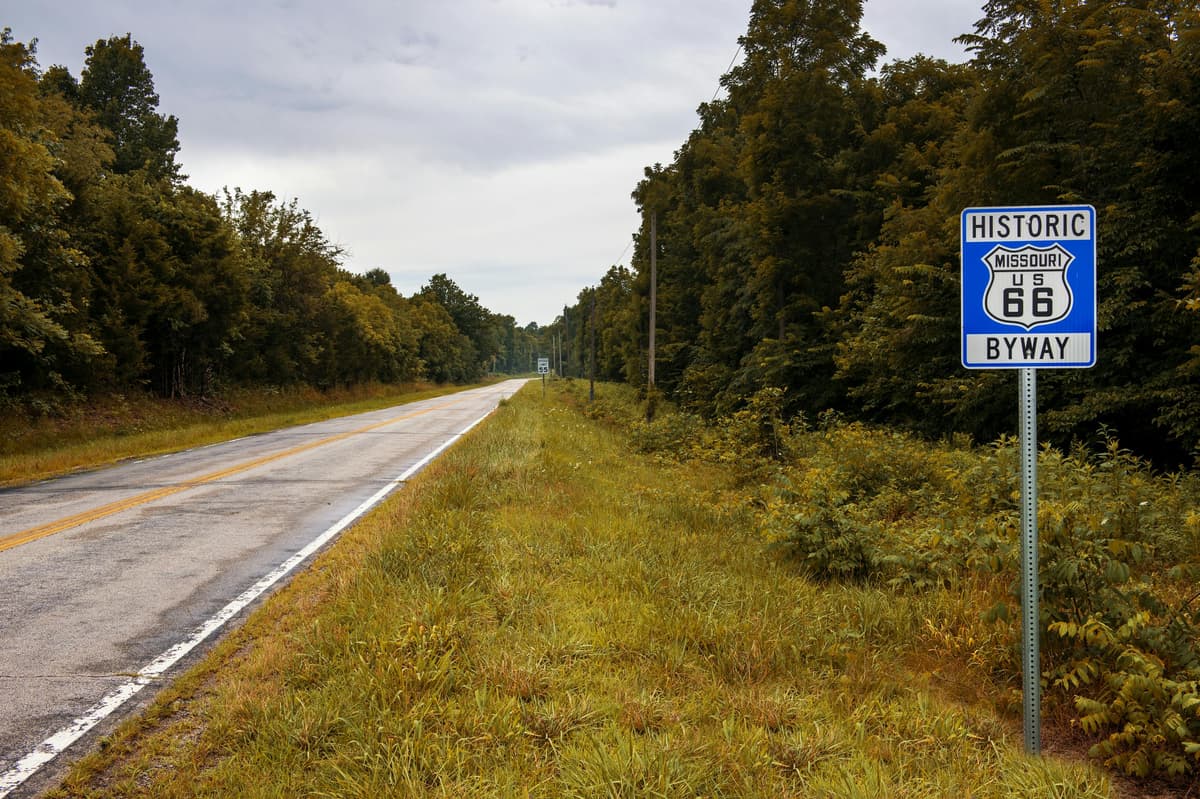
Push for 75 MPH on Rural Highways Sparks Safety Debate in Missouri
Why It Matters
Higher speed limits could increase traffic fatalities, directly affecting public safety and insurance costs, while also influencing Missouri’s competitiveness with surrounding states.
Key Takeaways
- •Bill 1408 would raise rural speed limits from 70 to 75 mph.
- •MoDOT cites an 8.5% rise in fatal crashes per 5‑mph increase.
- •Kansas saw a 27% jump in freeway crashes after a similar hike.
- •Nebraska recorded 45 extra traffic deaths in five years post‑increase.
- •Supporters claim newer vehicles and road upgrades mitigate safety concerns.
Pulse Analysis
Missouri lawmakers are moving Senate Bill 1408 through a fast‑track session, aiming to lift the posted speed limit on rural interstates and freeways from 70 mph to 75 mph. The measure has already cleared the House and now awaits a Senate vote before reaching Governor Mike Kehoe’s desk. Proponents point to the trend in neighboring states—Arkansas, Kansas and Nebraska—where 75‑mph limits are already in effect, arguing that the change would align Missouri with regional norms and reflect the higher speeds drivers already adopt on wide, modernized corridors.
Transportation officials, however, warn that a modest five‑mile‑per‑hour increase carries a measurable safety penalty. MoDOT cites an Insurance Institute for Highway Safety analysis linking a 5‑mph bump to an 8.5 % rise in interstate fatal crashes. Historical data from Kansas and Nebraska reinforce the concern, showing 27 % more freeway crashes and 45 additional deaths, respectively, after similar hikes. Nationally, speeding contributes to 34 % of Missouri’s fatal crashes, underscoring the risk that higher posted limits could encourage even faster driving.
The debate is also shaping broader transportation policy. Bill 1408 bundles unrelated reforms such as ending passenger‑car inspections, publishing project cost estimates online, and expanding driver‑education options for schools. Supporters argue that advances in vehicle safety—airbags, crash‑alert systems—and ongoing road improvements, like the three‑lane widening of I‑70, offset the incremental risk. Opponents, citing ongoing construction and a lack of comprehensive data, urge a postponement. The final vote will test whether convenience and regional competitiveness outweigh the projected rise in fatalities.
Push for 75 MPH on Rural Highways Sparks Safety Debate in Missouri
Comments
Want to join the conversation?
Loading comments...