Q&A: Could Christmas Stock Costs Stay High After the Strait of Hormuz Crisis?
Why It Matters
Higher shipping costs threaten to push holiday prices up, squeezing consumer spending and retailer margins; the recovery timeline dictates inventory and logistics planning for the critical 2026 festive season.
Key Takeaways
- •Reopening clears stranded vessels, resuming maritime traffic.
- •Transport costs may normalize in 3‑5 months.
- •Full supply‑chain stability could extend beyond 2026 peak season.
- •Retailers are shifting to air freight and load optimization.
- •Christmas prices risk staying elevated despite route reopening.
Pulse Analysis
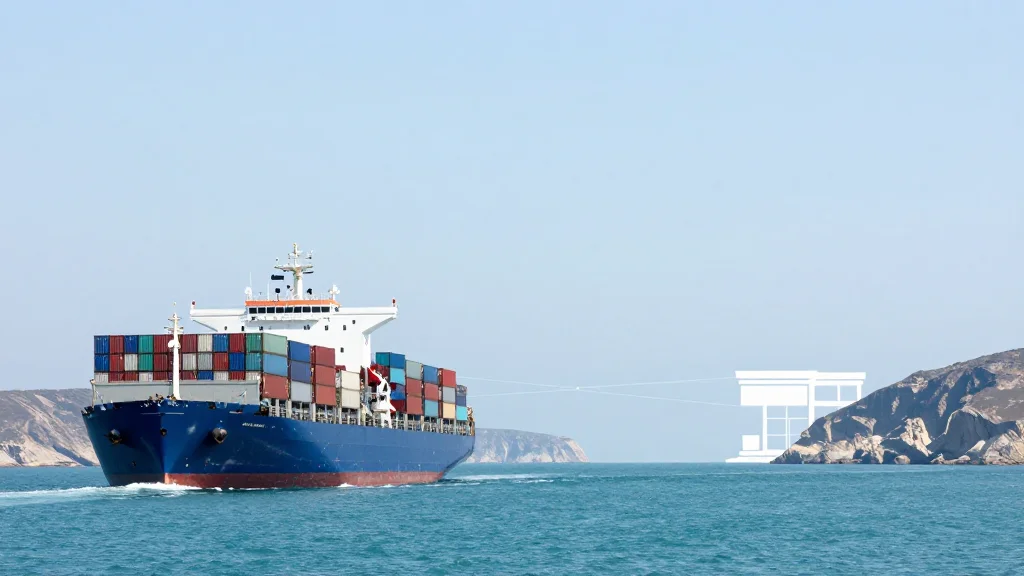
The Strait of Hormuz is a chokepoint for roughly a third of global oil shipments and a vital artery for containerized freight. The recent Iran‑related conflict has forced vessels to idle, prompting a surge in freight premiums and creating a cascade of delays across ports worldwide. While the strategic importance of the strait means diplomatic pressure will push for a swift reopening, the physical act of clearing stranded ships and addressing security hazards such as mines will take weeks, extending the disruption beyond the initial ceasefire.
Supply‑chain experts anticipate a two‑stage rebound. In the first stage, spanning three to five months, freight rates are expected to gradually fall as vessels resume normal routes and backlogs clear. Historical parallels—Ukraine’s 2022 invasion and the Red Sea attacks of 2023—show that cost reductions are incremental, not immediate. The second stage, however, aligns with the 2026 peak shopping season, when shipping demand naturally spikes. This overlap could delay full normalization, leaving retailers to navigate volatile freight pricing while still needing to secure holiday stock.
Retailers are responding by diversifying logistics options. Air freight, though costlier per unit, offers speed and reduces exposure to maritime bottlenecks. Companies are also re‑engineering loading strategies to maximize container space and employing digital twins to simulate alternative routes. These tactics aim to cushion margins and prevent price pass‑through to consumers. Nonetheless, if freight costs remain above pre‑war levels when Christmas orders are placed, retailers may face upward pressure on shelf prices, potentially dampening consumer demand during the most lucrative retail period of the year.
Q&A: Could Christmas stock costs stay high after the Strait of Hormuz crisis?
Comments
Want to join the conversation?
Loading comments...