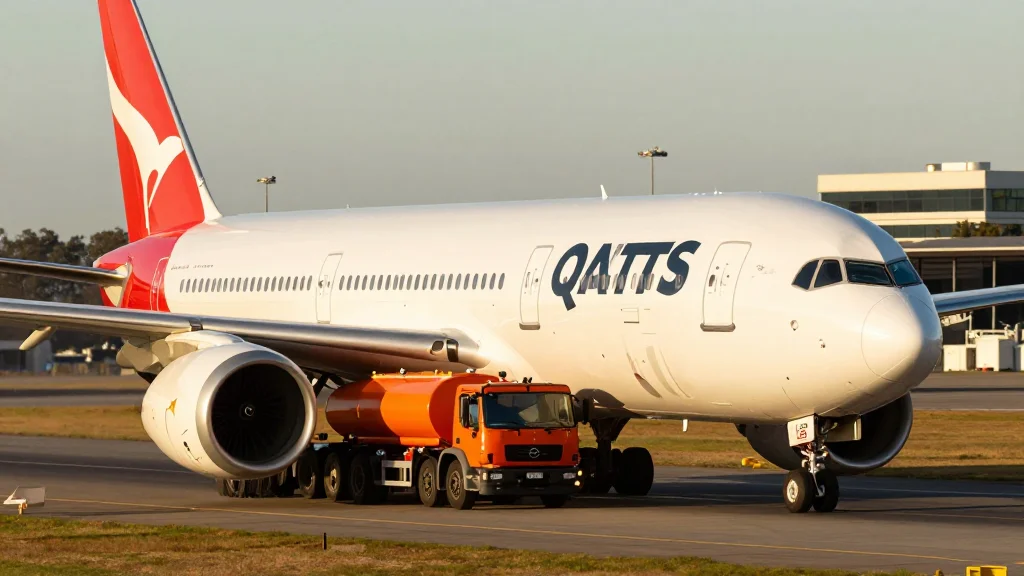
Qantas, Jetstar Extend Domestic Cuts, Trim NZ Flights as Fuel Crisis Bites
Why It Matters
The cuts tighten Australia’s flight network at a time of record fuel costs, pressuring margins and potentially raising fares for travelers. Government‑backed fuel imports and a tentative Chinese export rebound could stabilize supply and curb price spikes for airlines and passengers alike.
Key Takeaways
- •Qantas extends domestic capacity cut to September, 5% reduction
- •Jetstar trims trans‑Tasman flights by 4%, cuts NZ routes
- •Qantas flags $800 million extra fuel cost for H2 2026
- •Australia secures 100 million L jet fuel and 50 million L diesel shipments
- •China signals limited jet‑fuel export resumption, easing supply pressure
Pulse Analysis
The ongoing Middle East fuel crisis has forced Australia’s flag carrier and its budget subsidiary to rethink network planning. By extending a 5% domestic capacity reduction to September, Qantas aims to preserve cash flow while the airline grapples with an $800 million fuel cost surge projected for the latter half of 2026. Jetstar’s 4% cut to trans‑Tasman routes and the scaling back of New Zealand services reflect a broader industry trend: airlines are trimming capacity wherever demand softens and fuel bills threaten profitability.
In response, the Australian government stepped in to mitigate the supply shock, securing two shipments of 100 million litres of jet fuel and an additional 50 million litres of diesel from Asian sources. Trade Minister Don Farrell highlighted that these imports are critical for keeping freight, FIFO workers, and regional travel moving. While the deliveries provide short‑term relief, the real game‑changer could be China’s tentative resumption of jet‑fuel exports, which historically accounts for roughly a third of Australia’s annual imports. Analysts caution that the volume may be limited, but any increase should help narrow the supply‑demand gap and temper price volatility.
Looking ahead, the combined effect of capacity cuts, higher fares, and a gradual easing of fuel supply will shape the competitive landscape. Airlines that can secure stable fuel at lower costs may retain market share, while those unable to offset expenses could face deeper margin erosion. Passengers should expect modest ticket price adjustments, especially on domestic and trans‑Tasman routes, as carriers balance reduced seat inventory with the need to cover elevated operating costs. The situation underscores how geopolitical events can ripple through aviation economics, influencing everything from route planning to consumer pricing.
Qantas, Jetstar extend domestic cuts, trim NZ flights as fuel crisis bites
Comments
Want to join the conversation?
Loading comments...