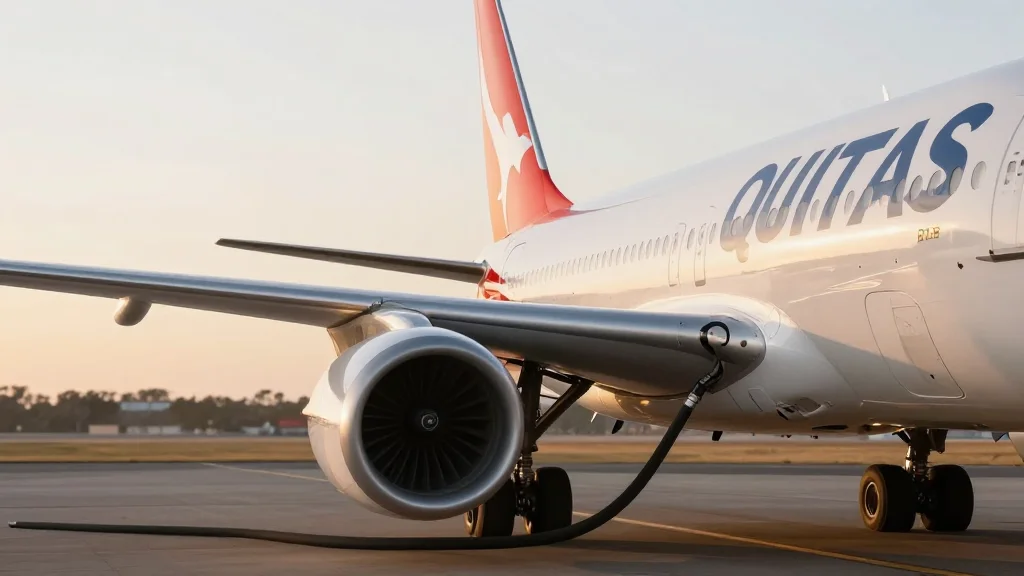
Qantas Slashes Domestic Flights Amid Fuel Crisis
Why It Matters
The cuts illustrate how geopolitical tensions can quickly translate into higher operating costs for airlines, squeezing margins and limiting travel options for consumers. For the Australian market, reduced capacity could drive fare increases and strain competition among carriers.
Key Takeaways
- •Qantas cuts domestic schedule amid rising jet fuel prices
- •Fuel cost surge tied to Middle East conflict pressures airlines
- •Reduced flights may trigger higher fares and travel disruptions
- •Australian travelers face limited options on key city routes
- •Qantas may seek cost‑saving measures beyond flight reductions
Pulse Analysis
The global oil market has entered a volatile phase as the Middle East conflict disrupts supply chains and pushes crude prices to multi‑year highs. Jet fuel, which tracks closely with benchmark crude, has seen price spikes that outpace most airlines’ hedging strategies. For carriers like Qantas, whose fleet relies heavily on narrow‑body aircraft for domestic routes, the sudden cost surge erodes profit margins and forces rapid operational adjustments.
In Australia’s tightly contested domestic aviation sector, Qantas’s schedule cuts send a clear signal to rivals and passengers alike. Reduced frequencies on popular corridors such as Sydney‑Melbourne and Brisbane‑Perth may create seat shortages, prompting competitors to raise fares or add capacity where possible. Frequent flyers and business travelers, who depend on reliable, low‑cost options, could face longer wait times and higher ticket prices, potentially shifting demand toward low‑cost carriers or alternative transport modes like high‑speed rail proposals.
Looking ahead, the episode underscores the need for airlines to diversify risk beyond fuel hedging. Strategies may include accelerating fleet modernization toward more fuel‑efficient models, expanding ancillary revenue streams, and renegotiating airport slots to optimize profitability. For regulators and policymakers, the situation highlights the broader economic ripple effects of geopolitical instability on consumer mobility and tourism. Monitoring fuel price trends and supporting infrastructure resilience will be crucial to maintaining a competitive and accessible domestic travel market.
Qantas slashes domestic flights amid fuel crisis
Comments
Want to join the conversation?
Loading comments...