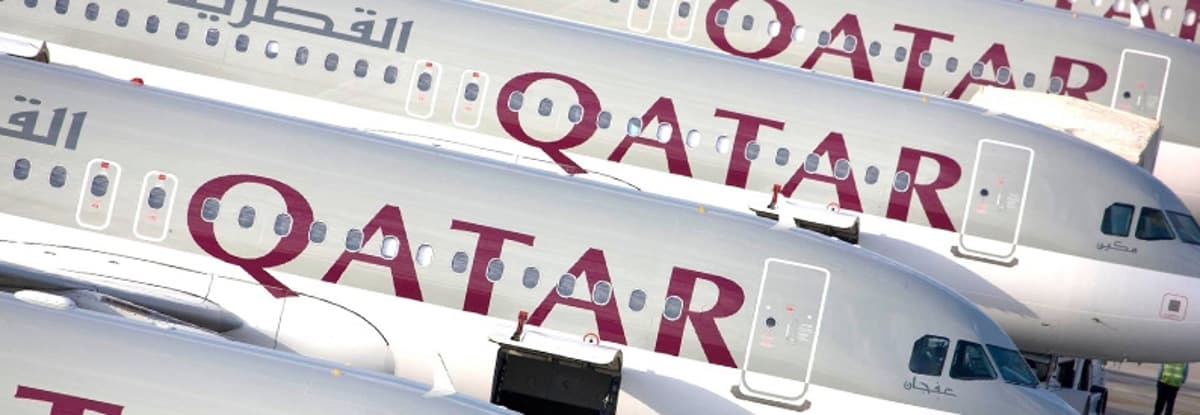
Qatar Airways, Gulf Air Begin Limited Rescue Ops From Abroad
•March 5, 2026
0
Why It Matters
The limited operations preserve essential passenger and cargo links, mitigating revenue loss and maintaining market presence amid a regional airspace shutdown.
Key Takeaways
- •Qatar Airways deploys five aircraft from Oman.
- •Gulf Air operates three A321‑200s from Saudi Arabia.
- •Flights limited to Cairo, Larnaca, Mumbai, Delhi.
- •Iran, Iraq, Kuwait remain closed to passenger traffic.
- •Emirates resumes limited scheduled services on March 5.
Pulse Analysis
The escalation of the Iran conflict forced the abrupt closure of Qatari and Bahraini airspace on February 28, grounding fleets at Doha Hamad International and Bahrain International. With only the UAE, Syrian and Israeli skies reopening, regional connectivity has been severely disrupted, affecting business travel, tourism and supply chains across the Gulf. The shutdown also underscores the geopolitical vulnerability of air routes that rely on a handful of national airspaces for hub operations.
In response, Qatar Airways and Gulf Air have turned to aircraft stationed abroad to keep a sliver of service alive. Qatar Airways mobilized two B777‑300ERs, an A350‑900, a B787‑8 and a B787‑9 from Muscat, while Gulf Air reactivated three A321‑200s from Dammam and Riyadh, offering limited seats to Cairo, Larnaca, Mumbai and Delhi. This strategy sidesteps the grounding orders at home bases, preserves some revenue, and provides critical rescue flights for stranded passengers, all while the airlines continue robust freighter operations worldwide.
The market ripple extends beyond the two carriers. Emirates, the first airline in the affected bloc to restart limited scheduled flights, is likely to capture displaced demand, reshaping regional hub competition. Prolonged closures in Iran, Iraq and Kuwait could accelerate airlines' diversification of basing strategies and spur new freight corridors. Stakeholders will watch diplomatic negotiations closely, as a gradual reopening could see full schedules restored by the third quarter of 2026, stabilizing passenger confidence and regional economic activity.
Qatar Airways, Gulf Air begin limited rescue ops from abroad
0
Comments
Want to join the conversation?
Loading comments...