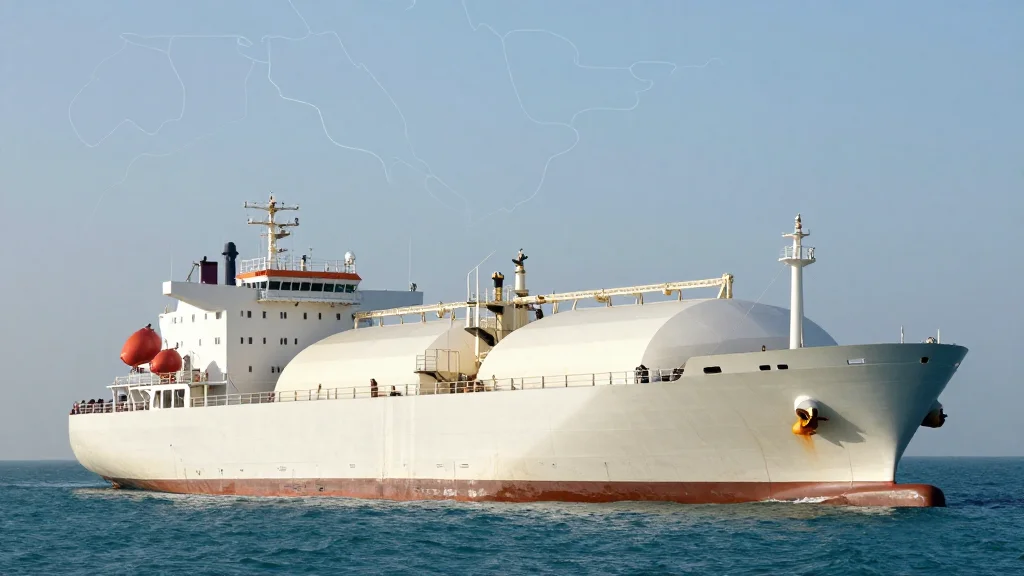
Qatar Finally Exports LNG Shipments, but Has No Plans for Other Stranded Cargoes
Why It Matters
The partial export restart eases short‑term global LNG supply pressure, yet damaged capacity and geopolitical constraints keep the market tight and price‑sensitive.
Key Takeaways
- •Qatar resumed LNG exports, sending two cargoes via Strait of Hormuz.
- •Iran's attacks damaged two Qatari liquefaction trains, repairs may take years.
- •No plan to move other stranded cargoes, limiting supply recovery.
- •Export restart eases market pressure but overall global LNG tightness persists.
- •Qatar's limited capacity highlights geopolitical risk in energy trade routes.
Pulse Analysis
Qatar remains the world’s largest single‑source LNG exporter, accounting for roughly 30% of global shipments. The February shutdown, prompted by Iran’s closure of the Strait of Hormuz and subsequent attacks on QatarEnergy’s facilities, removed a critical flow of gas at a time when Europe and Asia were already grappling with supply constraints. The two cargoes that finally moved this week signal that Qatar can still navigate the chokepoint, but the broader infrastructure damage—two liquefaction trains knocked offline—means the nation’s export potential is far from restored.
The immediate market impact of the resumed shipments is modest. While the two cargoes provide a temporary relief to spot‑price volatility, analysts note that the volume is a fraction of Qatar’s typical weekly output of 6‑7 million tonnes. With the damaged trains expected to remain out of service for years, the country’s overall export capacity will stay curtailed, reinforcing a tight global LNG market. Buyers in Europe, still seeking alternatives to Russian gas, and Asian importers facing seasonal demand spikes, will continue to feel price pressure, prompting them to secure longer‑term contracts or diversify supply sources.
Looking ahead, the episode underscores the strategic vulnerability of relying on narrow maritime corridors for energy trade. Stakeholders are likely to accelerate investments in alternative routes, such as the Cape of Good Hope, and in floating LNG infrastructure that can bypass chokepoints. For Qatar, rebuilding the damaged trains and expanding its fleet will be essential to regain market share. Meanwhile, policymakers worldwide may reassess energy security frameworks, emphasizing resilience against geopolitical disruptions in the LNG supply chain.
Qatar Finally Exports LNG Shipments, but Has No Plans for Other Stranded Cargoes
Comments
Want to join the conversation?
Loading comments...