Why It Matters
Restoring rural airstrips expands recreational flying options, stimulates local economies, and preserves open‑space aviation heritage. The initiative signals growing demand for general‑aviation infrastructure in underserved regions.
Key Takeaways
- •RAF's Expanding The Map aims to open 15+ airstrips by 2026.
- •First reopened site is Walker Ridge, a BLM airstrip in California.
- •Volunteer team led by Doug Lumgair restored access for backcountry pilots.
- •New airstrip added to RAF Airfield Guide with safety briefings.
- •Initiative supports recreational aviation growth and rural economic development.
Pulse Analysis
The Recreational Aviation Foundation, a 501(c)(3) nonprofit based in Bozeman, Montana, has long championed the preservation of small airstrips that serve hobbyist pilots, emergency services, and remote communities. As the general‑aviation sector faces aging infrastructure and limited funding, RAF’s mission to protect and expand access points fills a critical gap, especially for pilots who rely on backcountry fields for training, tourism, and emergency response. By curating a comprehensive Airfield Guide, RAF also standardizes safety information, reducing risk for pilots unfamiliar with remote terrain.
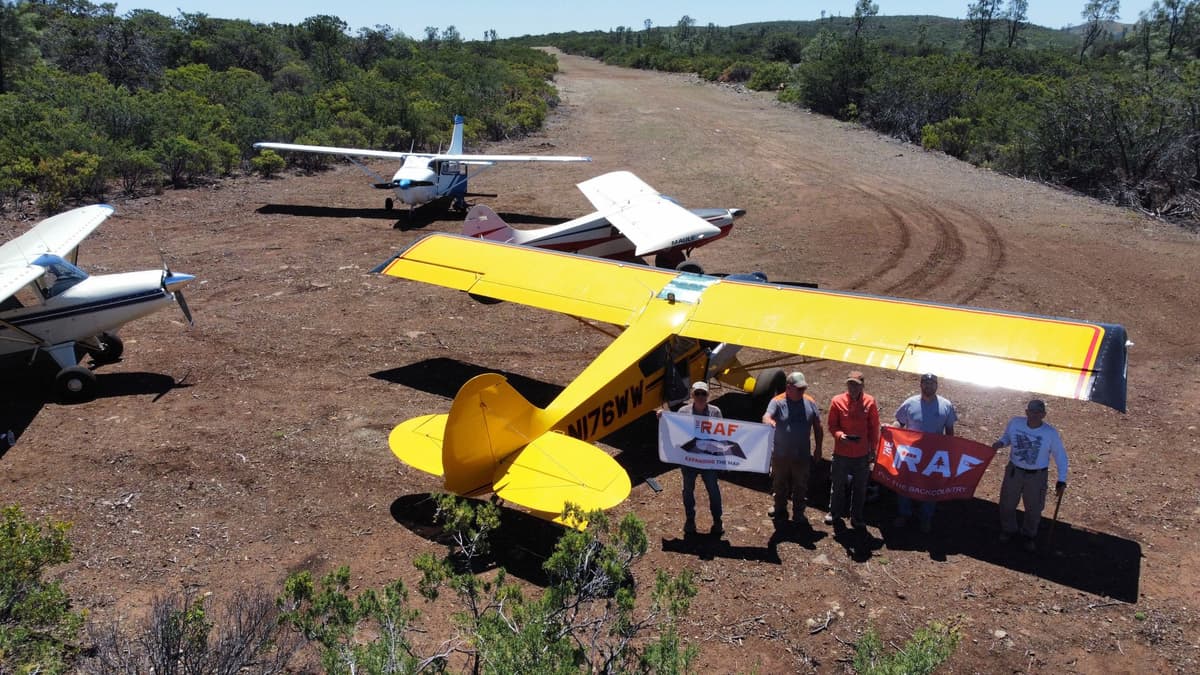
Expanding The Map, RAF’s latest program, sets an ambitious target of more than 15 airstrip projects slated for 2026. The inaugural effort focuses on Walker Ridge, nestled within the Berryessa Snow Mountain National Monument. Volunteer crews, coordinated by RAF California Liaison Doug Lumgair, cleared vegetation, repaired the runway surface, and installed signage, turning a dormant BLM strip into a functional hub for underwing camping and short‑field operations. The addition of Walker Ridge to the RAF Airfield Guide provides pilots with GPS coordinates, runway length, surface condition, and a safety briefing, ensuring that the field meets community standards before flight.
Beyond the immediate benefits to pilots, the initiative promises broader economic and environmental impacts. Restored airstrips can attract tourism dollars, support local businesses such as flight schools and outfitters, and create modest employment opportunities during construction and maintenance phases. Moreover, by preserving open‑space aviation corridors, RAF contributes to land‑use diversity, counterbalancing urban encroachment on historic flight paths. As policymakers grapple with infrastructure funding, the foundation’s model of volunteer‑driven restoration offers a scalable, low‑cost blueprint for revitalizing America’s recreational aviation network.
RAF Announces National Airstrip Access Initiative
Comments
Want to join the conversation?
Loading comments...