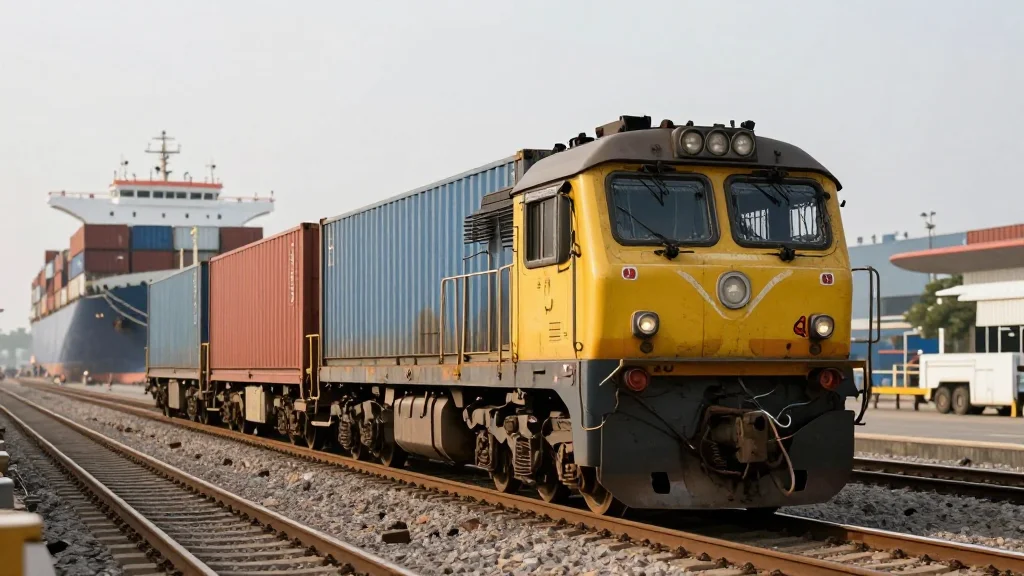
Rail Congestion Adds to Inland Delays From India’s Mundra Port
Companies Mentioned

Why It Matters
The disruption threatens supply‑chain reliability for manufacturers and exporters in India’s northern hinterland, potentially inflating costs and eroding competitive advantage in global trade.
Key Takeaways
- •Mundra's gate‑in policy now requires tighter cargo timing.
- •Rail bottlenecks add days to shipments from India's north.
- •Maersk warns customers of higher inland freight costs.
- •Middle‑East transshipment surge follows Iran war disruptions.
- •Adani Ports' landside capacity already near saturation.
Pulse Analysis
India’s Mundra port, handling over 5 million TEUs annually, has become a flashpoint for supply‑chain stress as rail links buckle under rising demand. The port’s recent decision to shorten the gate‑in window forces shippers to align cargo arrivals more tightly with vessel schedules, reducing flexibility and amplifying yard congestion. Coupled with an influx of Middle‑East transshipment cargo—diverted after the Iran conflict—Mundra’s landside infrastructure, operated by Adani Ports, is operating near its design limits. This perfect storm forces inland carriers to queue longer, turning rail from a speed advantage into a liability.
The ripple effect extends far beyond the port’s perimeter. Major carriers such as Maersk are alerting customers that rail delays can add 3‑5 days to door‑to‑door delivery times, prompting a reassessment of freight budgeting. Elevated dwell times also trigger higher demurrage and ancillary fees, squeezing profit margins for exporters of textiles, chemicals, and automotive components that rely on just‑in‑time inventory. As inland logistics costs climb, some shippers are exploring alternative modes, including road haulage or shifting cargo to less congested ports like Nhava Sheva, despite longer sea legs.
Long‑term solutions will require coordinated investment in rail capacity and digital yard management. The Indian government’s recent push for dedicated freight corridors could alleviate pressure, but execution timelines remain uncertain. In the interim, carriers are likely to prioritize high‑value, time‑sensitive shipments and negotiate rate adjustments with rail operators. Stakeholders must monitor Mundra’s operational metrics closely, as persistent bottlenecks could reshape regional trade flows and influence global supply‑chain strategies.
Rail congestion adds to inland delays from India’s Mundra Port
Comments
Want to join the conversation?
Loading comments...