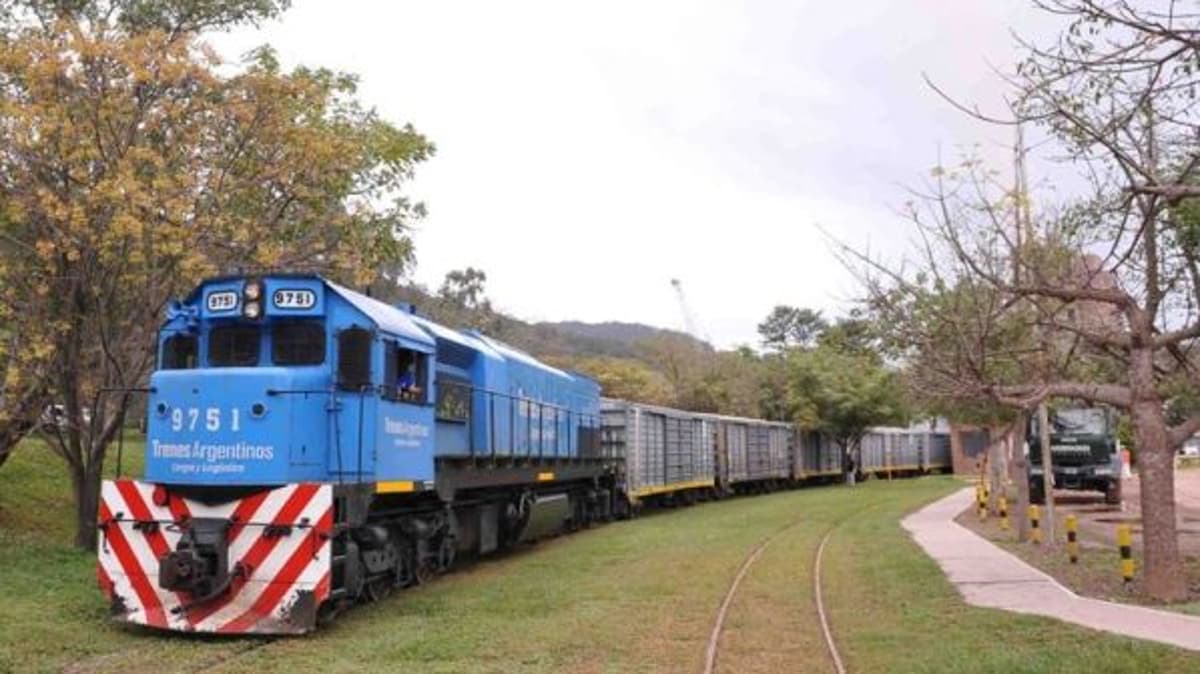
Rail Freight Privatisation Setback in Argentina
Why It Matters
The setback delays Argentina’s effort to attract private capital and modernise a critical logistics corridor, potentially slowing grain‑export efficiency and broader economic reforms.
Key Takeaways
- •Grupo México pulls out of Argentina rail freight bid
- •$3 billion investment plan withdrawn over concession concerns
- •Milei aims to privatise 8,000 km of state rail by year‑end
- •Government extends Techint’s Fepsa concession to maintain grain flows
- •Proceeds from TAC asset sale placed in trust for network upgrades
Pulse Analysis
Argentina’s push to shrink state involvement in rail freight is a centerpiece of President Javier Milei’s broader economic overhaul. By targeting the Belgrano, San Martín and Urquiza corridors—nearly 8,000 km of track—Milei hopes to lure foreign expertise, improve service reliability, and free fiscal resources for other priorities. The strategy hinges on selling TAC’s aging locomotive and wagon fleet, with proceeds earmarked for a trust fund that will finance essential infrastructure upgrades, a hybrid model that blends private operation with public‑funded renewal.
The unexpected withdrawal of Grupo México, a dominant player in Mexican rail through Ferromex and Ferrosur, underscores the fragility of the concession framework. The firm cited concerns over perceived preferential treatment for domestic bidders and an unclear concession structure that could limit return on its projected $3 billion investment. Losing a potential partner not only removes a source of capital and technical know‑how but also signals to other international operators that regulatory certainty may be lacking, potentially dampening future interest in Argentine rail assets.
In response, the Milei administration opted for a pragmatic stopgap: extending the existing Fepsa concession, currently operated by Techint, to safeguard grain‑export flows from the interior to ports like Bahía Blanca and Rosario. This move buys time to refine the new bidding process while ensuring that critical freight services remain uninterrupted. The combined approach—trust‑fund‑backed asset sales and a temporary concession extension—highlights the government’s balancing act between rapid privatisation and maintaining operational stability, a dynamic that will shape Argentina’s logistics landscape for years to come.
Rail freight privatisation setback in Argentina
Comments
Want to join the conversation?
Loading comments...