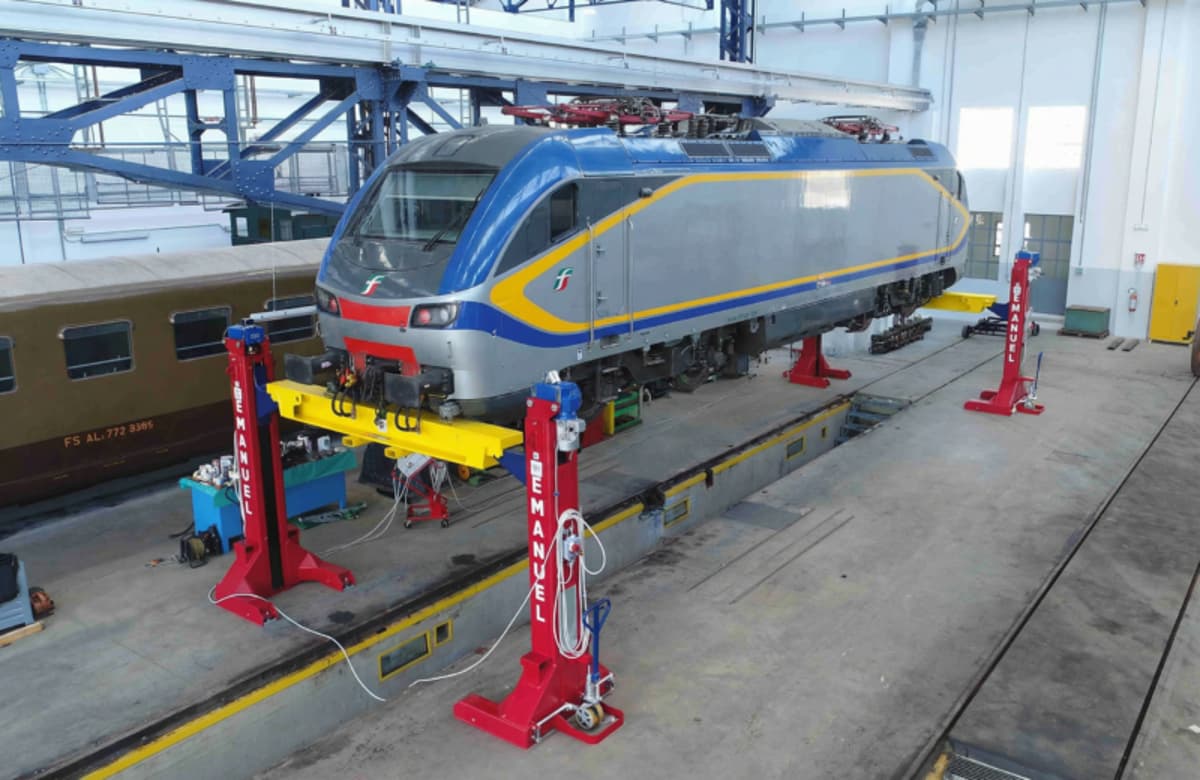
Railway Pit vs Lifting Jacks: Which Is Best for Your Depot?
Why It Matters
Choosing the optimal lifting method directly affects a depot’s capital efficiency, operational speed, and long‑term maintenance spend, shaping its competitive edge in the rail‑service market.
Key Takeaways
- •Rail pits: $87‑$125k upfront, $3.8k annual cost
- •Lifting jacks: $38‑$50k upfront, $12.5k annual cost
- •Pits need 28‑day installation; jacks are plug‑and‑play
- •Pits enable simultaneous top/bottom service, raising throughput
- •Jacks portable, ideal for low‑ceiling or space‑tight depots
Pulse Analysis
Railway maintenance facilities are increasingly scrutinizing the trade‑off between permanent inspection pits and modular lifting jacks as they modernize aging infrastructure. While a pit’s capital outlay—approximately $87,000 to $125,000—appears steep, its near‑zero ongoing maintenance ($3,800 per year) can yield a lower total cost of ownership over a decade, especially for operators with stable layouts. In contrast, an eight‑column jack system costs roughly $38,000 to $50,000 to purchase but demands regular servicing that can total $12,500 annually, eroding its initial savings. This cost dynamic forces managers to weigh short‑term cash flow against long‑term expense predictability.
Beyond pure economics, operational efficiency drives the decision. Inspection pits sit flush with the floor, allowing trains to roll over them without setup time and enabling technicians to work on both the underside and roof simultaneously. This dual‑access capability can double daily throughput in high‑volume depots, reducing bottlenecks and labor hours. Lifting jacks, however, excel where floor space is premium; they can be rolled away when not in use, reclaiming valuable aisle width. Their portability also means they can be redeployed across multiple bays, but each lift cycle adds setup and safety‑check time, which can slow service rates in busy shops.
Strategically, the choice aligns with a depot’s physical constraints and growth plans. Facilities with low ceilings or overhead obstructions are forced toward pits, as jacks require ample vertical clearance. Conversely, workshops housed in modular or leased spaces may favor jacks for their flexibility and minimal disruption during installation. As rail operators pursue digitalization—integrating predictive maintenance and remote diagnostics—the ability to quickly reconfigure lifting assets becomes a competitive advantage. Ultimately, a rigorous ROI model that incorporates upfront spend, annual service costs, space utilization, and throughput gains will guide the optimal investment for each depot.
Railway Pit vs Lifting Jacks: Which Is Best for Your Depot?
Comments
Want to join the conversation?
Loading comments...