Why It Matters
The work spotlights a largely untapped heritage asset that can drive tourism, active‑travel infrastructure, and regional economic revitalisation. It also preserves the social history of the navvies who built Britain’s rail network.
Key Takeaways
- •Book showcases 100 UK disused railway structures.
- •Includes 350 photos and archival images.
- •Highlights repurposing for cycling, walking, heritage railways.
- •Reveals social history of navvies and engineering feats.
- •Priced at £18.99 (~$24) for readers and explorers.
Pulse Analysis
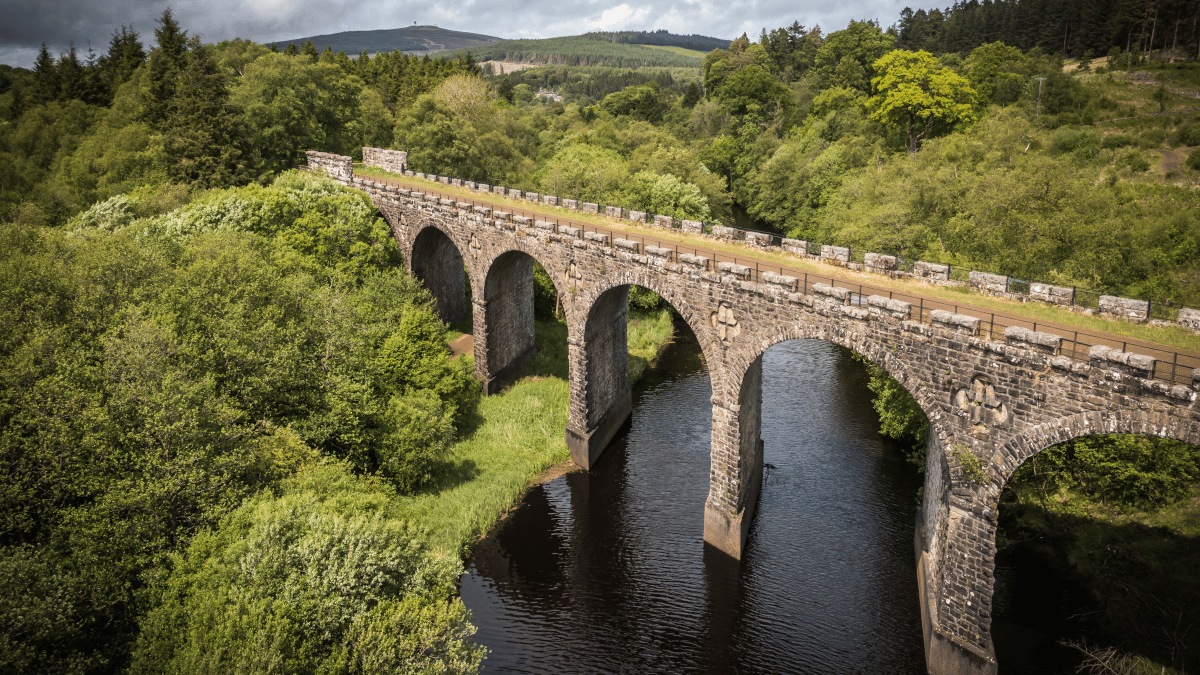
Britain’s abandoned railway architecture has long been a hidden treasure, and *Railway Wonders* brings it into the spotlight. By cataloguing a hundred structures—from towering masonry viaducts in the Pennines to narrow‑gauge tunnels in the South West—the book offers a geographic tour that underscores how topography dictated engineering ambition. The inclusion of 350 high‑resolution photographs and rare 19th‑century archives gives readers a visual narrative that bridges academic research and on‑the‑ground exploration, making the material accessible to both heritage enthusiasts and casual hikers.
Beyond nostalgia, the volume makes a compelling economic case for adaptive reuse. Many of the featured sites already serve as greenways, linking rural communities and attracting cyclists, walkers, and heritage‑rail tourists. Studies show that each mile of repurposed track can generate up to £150,000 (≈ $190,000) in local spending annually, while also delivering health benefits through increased active travel. Bickerdike’s analysis of regional patterns reveals that former industrial heartlands stand to gain the most from investment in trail infrastructure, turning derelict stone and steel into revenue‑producing assets.
In a broader policy context, the book arrives at a time when new infrastructure projects face escalating costs and public scrutiny. The historical examples illustrate that robust, long‑lasting engineering can outlive its original purpose, offering a template for modern planners seeking sustainable, multi‑use designs. By documenting the social fabric of the navvy workforce and the cultural imprint of Victorian railway promoters, *Railway Wonders* reinforces the argument that preserving and repurposing heritage rail assets is not merely sentimental—it is a strategic lever for regional development, tourism growth, and environmental stewardship.
Railway Wonders
Comments
Want to join the conversation?
Loading comments...