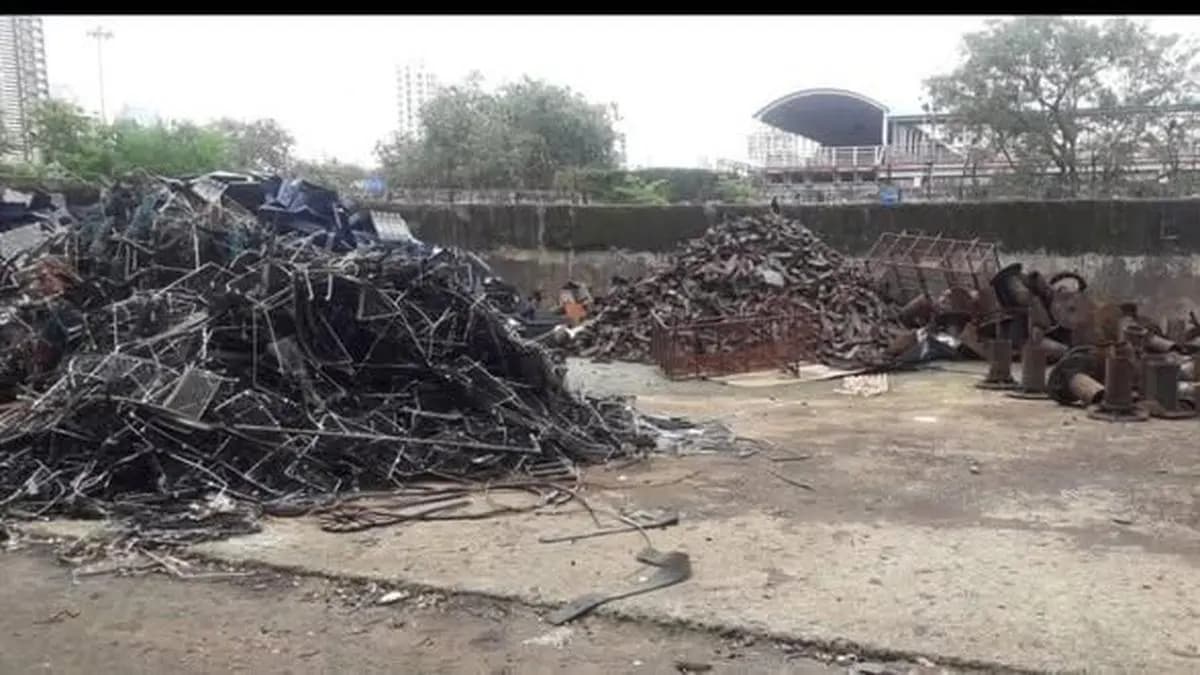
Railways Earns over ₹6,800 Crore From Scrap, Non-Fare Revenue Surges
Why It Matters
The diversified revenue stream reduces reliance on passenger fares and freight, bolstering the Railways’ fiscal health and enabling sustained investment in customer‑focused upgrades. This model signals a shift toward asset‑light monetisation for large public‑sector entities in India.
Key Takeaways
- •Scrap sales hit ₹6,814 crore (~$820 M), beating 2025‑26 target.
- •Non‑fare revenue reached ₹778 crore (~$94 M), up 168% since 2021‑22.
- •Premium brand outlets and 120 PMBJK health kiosks generate ancillary income.
- •Digital lounges and co‑working spaces launched to improve passenger experience.
- •Surplus funds reinvested in stations, keeping ticket fares unchanged.
Pulse Analysis
Indian Railways is turning idle assets into a major cash engine, with FY 2025‑26 scrap disposals topping ₹6,814 crore (about $820 million). This performance not only eclipsed the ₹6,000 crore benchmark but also outpaced the previous year’s ₹6,642 crore haul, underscoring a disciplined approach to asset management and recycling. By clearing unserviceable materials from depots and workshops, the rail network frees valuable space and aligns with India’s broader sustainability agenda, positioning the railways as a leader in large‑scale industrial recycling.
The non‑fare revenue pillar has emerged as a strategic growth driver, leaping from ₹290 crore in FY 2021‑22 to ₹778 crore this year—an increase of roughly $94 million. Revenue streams now include station redevelopment, advertising, premium brand outlets, and health‑care kiosks under the PMBJK scheme. These initiatives not only diversify income but also fund enhancements such as multi‑level parking, e‑wheelchair services, and high‑speed digital lounges. The latter, pioneered by Western Railway, offers co‑working facilities that cater to business travelers, reinforcing the railways’ shift toward a customer‑centric, service‑rich ecosystem.
For policymakers and investors, the railways’ financial transformation illustrates how legacy infrastructure can be monetised without burdening commuters with higher fares. The model—leveraging scrap, commercialising station real‑estate, and introducing value‑added services—offers a template for other state‑owned enterprises seeking fiscal resilience. As the railways continue to reinvest surplus earnings into station upgrades and digital platforms, the sector is poised to deliver a more modern, reliable travel experience while contributing to India’s broader economic modernization goals.
Railways earns over ₹6,800 crore from scrap, non-fare revenue surges
Comments
Want to join the conversation?
Loading comments...