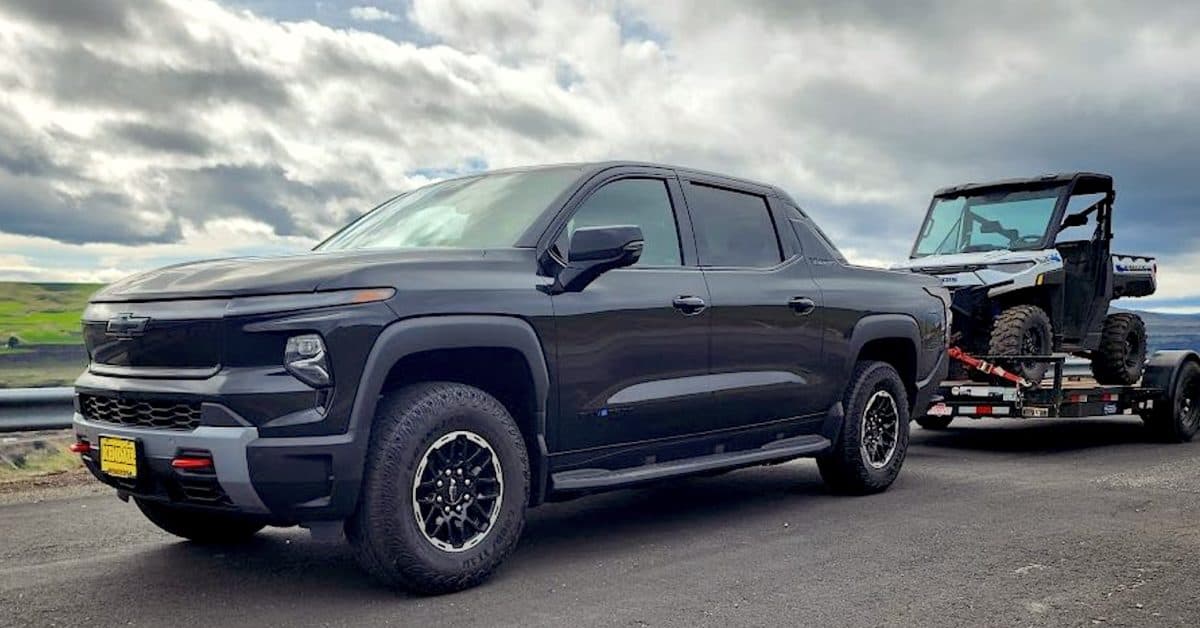
RAM 3500 Driver Switches to a Silverado EV, and the Fuel Savings Are SHOCKING
Companies Mentioned
Why It Matters
The comparison shows that electrifying heavy‑duty trucks can slash operating costs by over 600%, accelerating EV adoption beyond urban markets and reshaping rural transportation economics.
Key Takeaways
- •RAM 3500 diesel costs $0.35 per mile at 17 MPG.
- •Silverado EV uses 2+ miles per kWh, costing $0.055 per mile.
- •Annual 48,000‑mile drive saves over $8,400 switching to EV.
- •Diesel prices exceed $6/gal, reaching $8 in parts of California.
- •EV adoption offers rural drivers cost and emissions advantages.
Pulse Analysis
Rural America has long been viewed as the last frontier for electric vehicle adoption, but rising diesel prices are eroding that perception. With diesel hovering around $6 per gallon nationwide and spiking to $8 in California, the cost per mile for a typical 17‑MPG pickup climbs to $0.35. For farmers, contractors, and long‑haul drivers, that expense quickly outweighs the upfront premium of an electric truck, especially when home charging rates sit near $0.11 per kilowatt‑hour. The Silverado EV’s 170 kWh battery, delivering more than two miles per kWh, translates to a mere five‑to‑six cents per mile—an order‑of‑magnitude reduction that reshapes the economics of daily work routes.
Beyond raw savings, the switch to electric offers operational efficiencies that resonate with rural businesses. Lower maintenance demands, fewer moving parts, and the ability to charge overnight at a farm’s existing electrical infrastructure reduce downtime and labor costs. For fleet managers, the cumulative effect of $8,400‑plus in annual fuel savings per vehicle can justify the higher capital outlay within a few years, especially when combined with federal tax credits and state incentives that further lower the total cost of ownership. Moreover, the environmental upside—cutting greenhouse‑gas emissions and reducing reliance on volatile global oil markets—aligns with growing consumer and regulatory pressure for sustainable practices.
The broader market implications are significant. As high‑mileage, high‑cost diesel segments see tangible benefits from electrification, manufacturers are likely to accelerate development of heavy‑duty EVs, expanding range, payload capacity, and charging infrastructure in underserved regions. Policymakers may respond with targeted subsidies or grid upgrades to support rural charging, reinforcing a feedback loop that drives adoption. Ultimately, stories like Wallace’s illustrate a tipping point: when the economics of electric trucks eclipse diesel in the most cost‑sensitive environments, the transition from gasoline to electricity becomes not just viable, but inevitable.
RAM 3500 driver switches to a Silverado EV, and the fuel savings are SHOCKING
Comments
Want to join the conversation?
Loading comments...