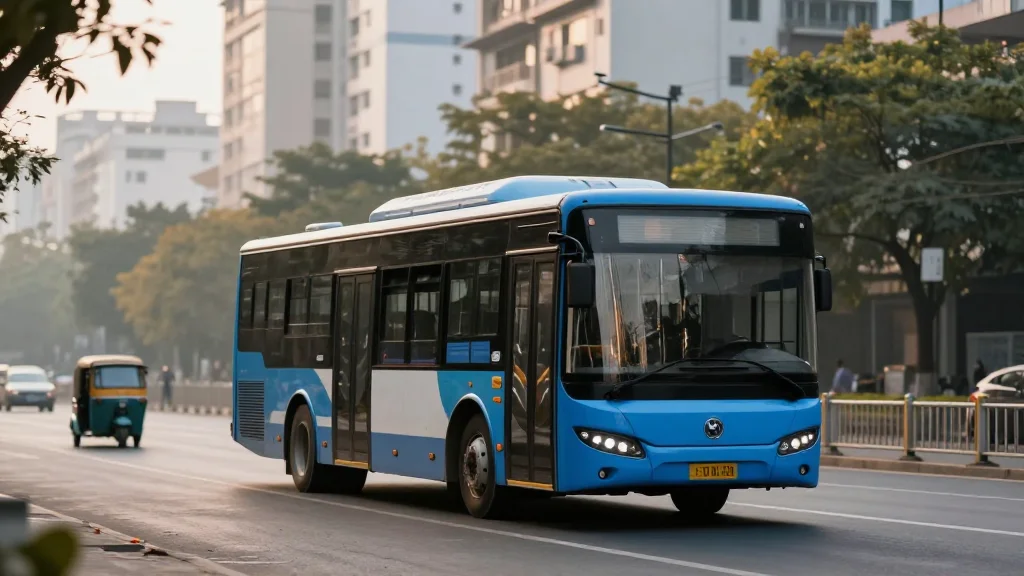
Ranchi’s 244-Bus Modernisation Plan Stalled Amid Tender Failures
Why It Matters
Delays in the bus rollout keep Ranchi dependent on chaotic auto‑rickshaw traffic, undermining efforts to ease congestion, improve air quality and modernise urban mobility.
Key Takeaways
- •Ranchi planned 244 buses; tender process failed repeatedly.
- •Mix included 220 diesel, 19 electric, 5 double‑deckers.
- •Only 24 buses operate now, down from 70 in 2019.
- •Project aims to curb auto‑rickshaw traffic and congestion.
- •State reviewing policy to attract viable bidders.
Pulse Analysis
Ranchi’s transport ecosystem has become a pressure cooker. With more than 25,000 auto‑rickshaws and 8,000 e‑rickshaws crowding the streets, the city struggles to enforce fare structures or route discipline. The existing municipal fleet, once a modest backbone of urban travel, has dwindled to just 24 buses, forcing commuters onto informal modes that exacerbate traffic snarls and emissions. This backdrop set the stage for a bold modernization plan that promised a mixed fleet of diesel, electric and double‑deckers, alongside digital ticketing and real‑time tracking, to shift the modal balance toward organized public transit.
The ambitious 244‑bus scheme hit its first major roadblock when three successive tender rounds failed to generate acceptable bids. Officials cite unrealistic financial assumptions and ambiguous operational clauses as deterrents for manufacturers and operators. As a result, the state’s Urban Development and Housing Department has paused the rollout, initiating a policy review to recalibrate cost structures, subsidy frameworks, and performance guarantees. The revision aims to make the project financially viable while aligning with national electric‑vehicle incentives, a crucial step if the 19 electric buses are to materialise.
If Ranchi can resolve its tender impasse, the city stands to gain a transformative mobility upgrade. A modern bus network would relieve pressure on the chaotic auto market, reduce travel times, and cut greenhouse‑gas emissions—key objectives for any fast‑growing Indian metropolis. Moreover, successful implementation could serve as a template for similarly sized cities wrestling with informal transport dominance. Until the tender process is re‑engineered, however, Ranchi’s commuters will continue to navigate a fragmented system that hampers economic productivity and quality of life.
Ranchi’s 244-bus modernisation plan stalled amid tender failures
Comments
Want to join the conversation?
Loading comments...