Recruitment Trends: Why Smart Hiring Beats Employee Burnout
Why It Matters
Choosing auto transport reduces safety hazards and preserves vehicle value, delivering measurable savings for individuals and businesses handling relocations. The shift from DIY driving to professional shipping also lowers insurance exposure and frees up time for more productive activities.
Key Takeaways
- •Driver fatigue dramatically raises accident risk on long trips
- •Shipping adds zero mileage, preserving resale value
- •Professional carriers include cargo insurance, limiting liability
- •Total cost of DIY driving often exceeds shipping quote
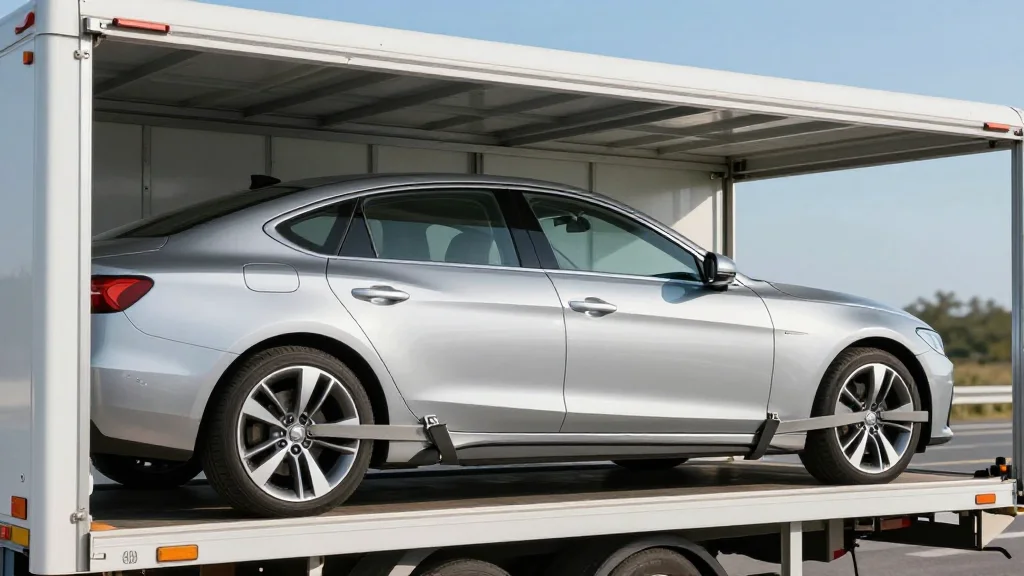
- •Enclosed transport protects luxury and classic cars
Pulse Analysis
Long‑distance vehicle relocation has become a hidden cost center for many households and corporate move programs. While the instinct to drive a personal car appears economical, the cumulative expenses—fuel volatility, lodging, meals, and the depreciation incurred per mile—can quickly eclipse a quoted shipping fee. Moreover, fatigue‑related accidents remain a leading cause of road fatalities, and the Federal Motor Carrier Safety Administration reports that driver drowsiness contributes to roughly 13% of long‑haul crashes. By quantifying these variables, decision‑makers can see that professional auto transport not only safeguards drivers but also protects the asset’s residual value.
The logistics industry has responded with sophisticated, technology‑driven solutions that streamline the shipping process. Real‑time route optimization, GPS‑tracked trailers, and automated insurance claims reduce both transit time and administrative overhead. For high‑value vehicles—such as classic, electric, or luxury models—enclosed carriers provide climate‑controlled environments that mitigate exposure to road debris and weather extremes. Companies like Palmoves leverage a nationwide network of vetted, licensed carriers, offering transparent pricing models that integrate insurance, handling, and door‑to‑door service into a single quote, thereby eliminating hidden fees.
From a strategic perspective, integrating auto transport into relocation programs yields broader business benefits. Employees saved from arduous drives experience less stress, leading to higher productivity post‑move. Employers also mitigate liability exposure and can negotiate bulk shipping rates, turning a personal inconvenience into a cost‑controlled corporate service. As remote work and cross‑country assignments rise, the demand for reliable, safe vehicle shipping is set to grow, making smart hiring of transport partners a critical component of modern workforce mobility strategies.
Recruitment Trends: Why Smart Hiring Beats Employee Burnout
Comments
Want to join the conversation?
Loading comments...