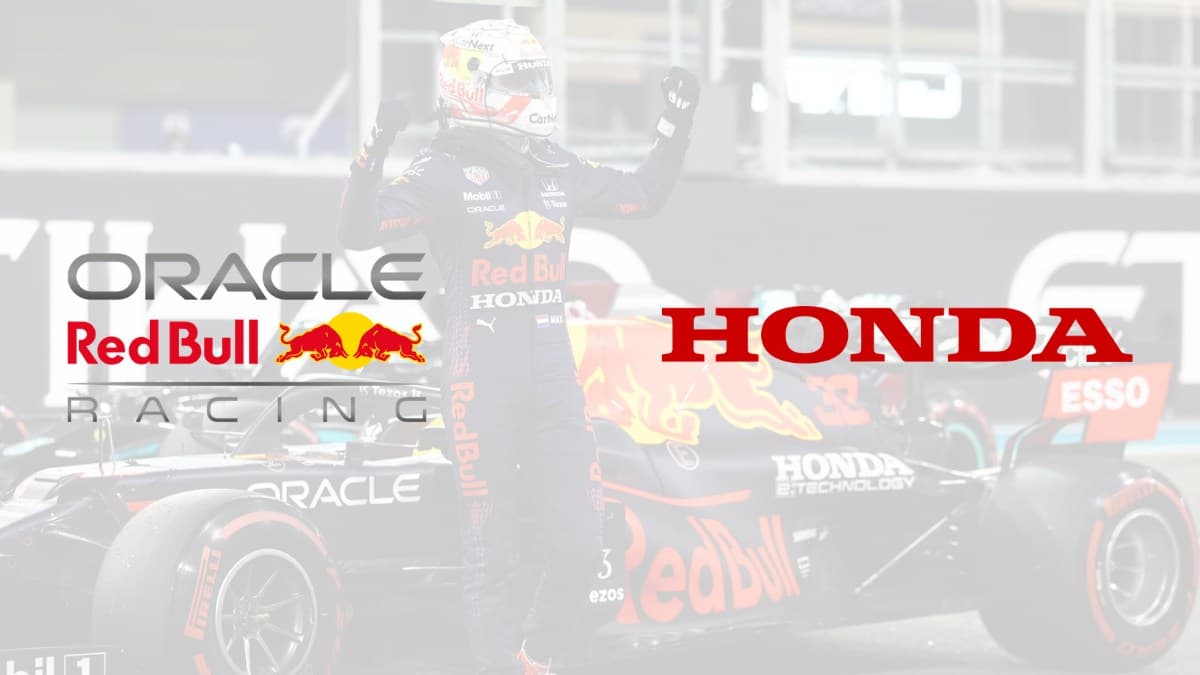
Red Bull Bridges Power Unit Eras Through Renewed Honda Agreement
Why It Matters
The arrangement ensures Red Bull can maintain development momentum during a regulatory overhaul while mitigating risk associated with a new power unit, and it underscores Honda’s strategic shift within the sport.
Key Takeaways
- •Red Bull can test older Honda engines under FIA TPC rules.
- •Agreement bridges gap before Red Bull Powertrains' Ford‑backed unit arrives 2026.
- •TPC usage helps reserve drivers gain mileage without breaching cost cap.
- •Honda now supplies Aston Martin, highlighting its continued F1 involvement.
Pulse Analysis
Red Bull Racing’s new technical arrangement with Honda lets the team keep running legacy power units for its Testing of Previous Cars (TPC) programme as the 2026 Formula 1 season rolls out sweeping power‑unit and aerodynamic regulations. The partnership, which covered Honda‑powered cars from 2019‑2025, provides a rare continuity bridge while Red Bull Powertrains finalises its in‑house engine developed with Ford. By retaining access to proven Honda hardware, Red Bull can gather data on chassis balance and tyre behaviour without the uncertainty of an untested power unit, a crucial advantage during a period of regulatory upheaval.
The FIA restricts on‑track testing of current‑spec cars, forcing teams to look to older machinery for additional mileage. Under the two‑year‑old rule, TPC sessions are the only legal avenue for reserve drivers to log laps, refine simulator models and validate operational processes while staying inside the sport’s strict cost‑cap framework. Red Bull’s renewed Honda deal therefore translates into more track time for its junior pilots, better correlation between virtual and real‑world data, and a smoother transition for the engineering staff as they adapt to the new power‑unit architecture.
Honda’s shift to become Aston Martin’s works power‑unit partner for 2026 underscores the Japanese manufacturer’s commitment to staying relevant in F1 despite ending the full works tie with Red Bull. For Red Bull, the agreement is a pragmatic stop‑gap that safeguards development velocity while the Ford‑backed power unit ramps up. The move also signals a broader trend of modular collaborations, where teams leverage legacy technology to mitigate risk during major technical transitions. If Red Bull can convert the data gathered from TPC into aerodynamic gains, it could offset early‑season performance dips and maintain its championship aspirations.
Red Bull bridges power unit eras through renewed Honda agreement
Comments
Want to join the conversation?
Loading comments...