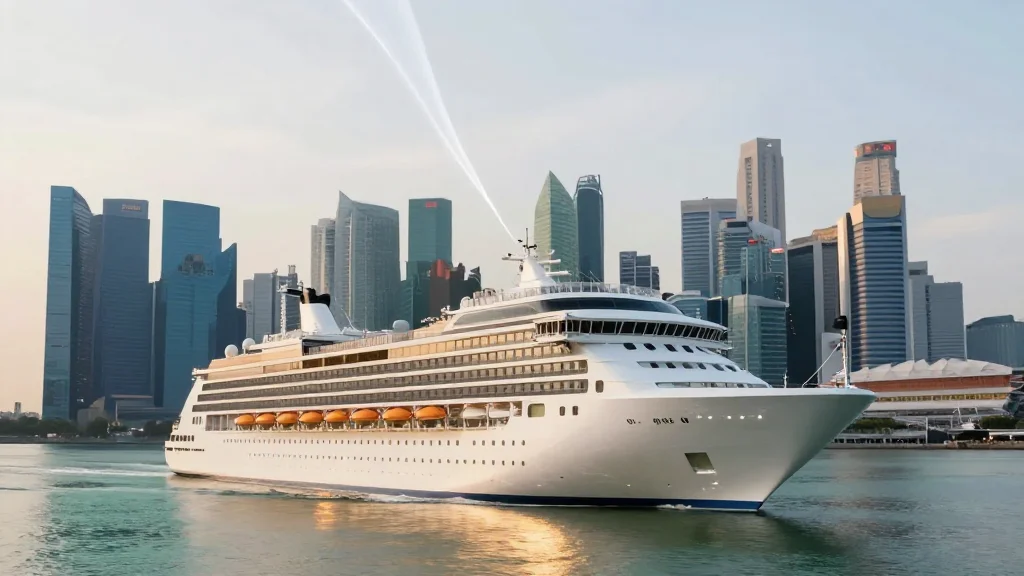
Reduced Speeds, Fewer Promotions: How the Singapore Cruise Industry Is Staying Afloat as Marine Fuel Prices Surge
Companies Mentioned
Why It Matters
The cruise industry’s resilience protects regional tourism revenues and demonstrates a cost‑management model that can offset volatile fuel markets, signaling stability for investors and downstream travel services.
Key Takeaways
- •Cruise arrivals in Singapore up 10% YoY in March
- •Fuel surcharge of S$15 (~$11) added per passenger
- •Operators cut speeds and reroute to cut fuel consumption
- •Promotions scaled back, but demand remains strong
- •Asia-focused itineraries shielded from Middle East disruptions
Pulse Analysis
The global price of low‑sulphur marine fuel more than doubled from $550 a tonne in February to a peak of $1,060 in March, settling near $975 in early May. While airlines and cargo carriers scramble with fuel shortages, Singapore’s cruise sector has kept passenger volumes buoyant, recording a 10 percent year‑on‑year rise in March arrivals. Travelers such as Kristabel Quek report little change in cruise fares, preferring the stability of sea travel over volatile air prices and geopolitical risk. The surge also pressures shipowners to explore alternative fuels and invest in energy‑saving technologies.
Operators have turned to slow‑steaming, itinerary tweaks and selective rerouting to shave fuel consumption without compromising guest experience. StarDream Cruises, for example, imposed a S$15 (about $11) surcharge per passenger while trimming promotions, and Oceania Cruises diverted a ship around the Cape of Good Hope instead of the Suez Canal. Because fuel accounts for roughly 10‑20 percent of a cruise line’s operating costs—significantly lower than the 25‑35 percent burden on airlines—these adjustments preserve margins and keep base fares competitive. These measures also reduce emissions, aligning with growing regulatory and consumer expectations for greener cruising.
Despite higher input costs, demand in Singapore’s regional market stays robust, driven by strong source markets in Indonesia, mainland China and Malaysia. The Singapore Tourism Board projects global cruise passenger numbers to hit 42.1 million by 2029, a 13 percent rise from 2025, underscoring long‑term growth potential. Industry analysts also see the Middle East crisis as a catalyst for an ‘Asia‑for‑Asia’ model, prompting new routes and eco‑efficiency measures that could reshape the cruise landscape while delivering cost‑savings for operators. If sustainability gains traction, cruise lines could command premium pricing, further offsetting fuel volatility.
Reduced speeds, fewer promotions: How the Singapore cruise industry is staying afloat as marine fuel prices surge
Comments
Want to join the conversation?
Loading comments...